



|
Getting your Trinity Audio player ready...
|
Diesel fuel prices jumped to a record high on Friday in the United States, as the war in Iran continued to restrict the supply of energy worldwide, further squeezing businesses that rely on diesel to run their factories and equipment.
The national average price of a gallon of diesel reached $5.85 per gallon, according to the AAA motor club, up more than 55% since the war started. That surpassed the previous peak, set four years ago during the global energy crunch caused by Russia’s full-scale invasion of Ukraine.
Other refined petroleum products, like gasoline and jet fuel, have also soared. Gasoline cost $4.15 a gallon on Friday, on average, up nearly 40% since the war began, according to AAA.

Over the past six months, “global prices of all main refined products have increased more than crude prices ,” analysts at Goldman Sachs wrote in a research note.
The price of Brent crude oil, the international benchmark, traded at around $96 a barrel on Friday, up about 30% since the start of the war.
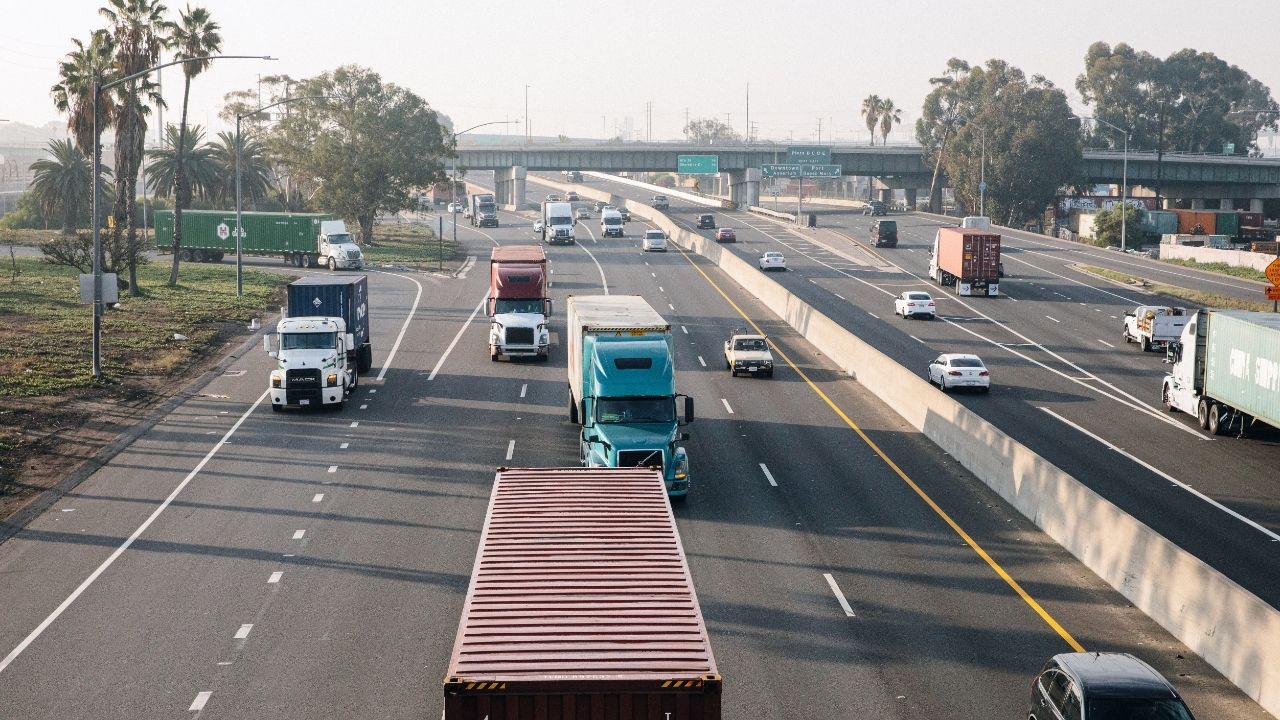
Diesel fuels are used by many commercial vehicles, including farm equipment and freight trucks. Higher fuel costs make it more expensive for business owners to run factories and ship products. Some businesses have passed on the higher costs to customers through fuel surcharges, and UBS recently cited higher diesel prices as a growing risk for homebuilders.
Fuel costs began rising after the United States and Israel began attacking Iran on Feb. 28. Iran retaliated by effectively closing the Strait of Hormuz, the narrow Persian Gulf passageway through which about a fifth of the world’s oil and large amounts of related fuels are normally transported.
The turmoil in the supply of crude has spread to refineries, where oil is processed, or cracked, into fuels like diesel and gasoline. Missile strikes have damaged refineries in the Middle East.
In addition, Ukraine has attacked and damaged many Russian refineries. That has forced Russia to ban the export of refined fuels until the end of September.
“With little spare refining capacity, meaningful relief requires a recovery in Persian Gulf and/or Russian flows,” Warren Patterson, head of commodities strategy at ING, wrote in a research note.
U.S. refineries are producing more fuels to take advantage of the “crack spread,” or the difference between the price of crude and refined petroleum products, which has reached record highs, Patterson said. A widening spread has helped companies like Marathon and Valero earn record profits.
Experts say the higher fuel costs will linger even if the war in the Middle East is resolved and the price of crude oil falls.
“The oil market remains tight, but refined product markets are even tighter,” Patterson wrote.
—
This article originally appeared in The New York Times.
By Gregory Schmidt/Stella Kalinina
c. 2026 The New York Times Company














![[hubspot type=form portal=8576119 id=f5235c74-daca-46b2-b841-0fec24b5a509]](https://gvwire.com/wp-content/uploads/2026/09/GVH_LaborDaySavings_300x250_static.jpg)
