


|
Getting your Trinity Audio player ready...
|
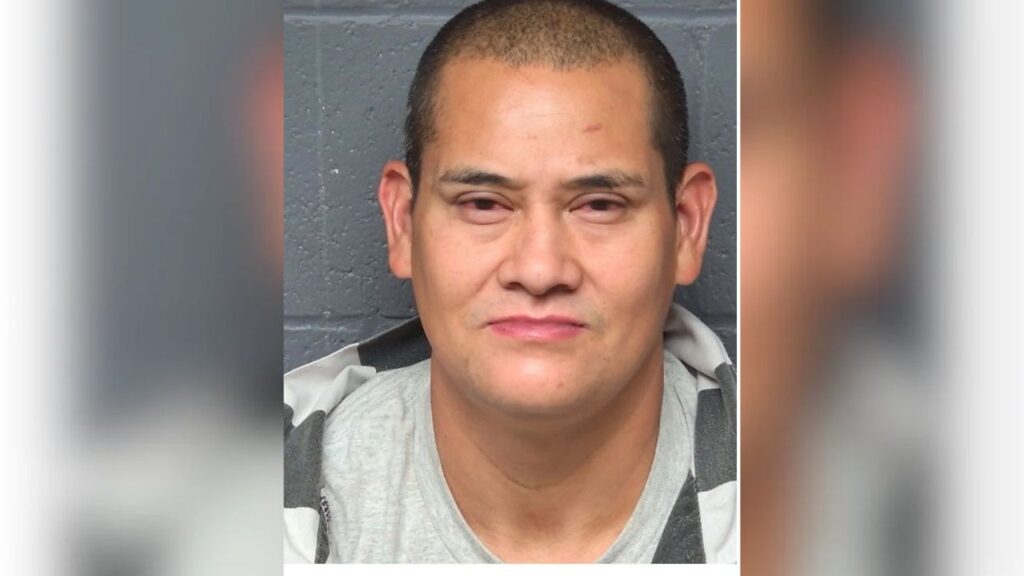
A federal grand jury has indicted an Immigration and Customs Enforcement officer on charges of making false statements about the nonfatal shooting of a man during the Trump administration’s immigration crackdown in Minnesota last winter, according to a person familiar with the case who spoke on the condition of anonymity to discuss sensitive information.
The charges against the ICE officer, Christian Castro, represent a rare instance of President Donald Trump’s Justice Department accusing a federal agent of criminal wrongdoing at work.
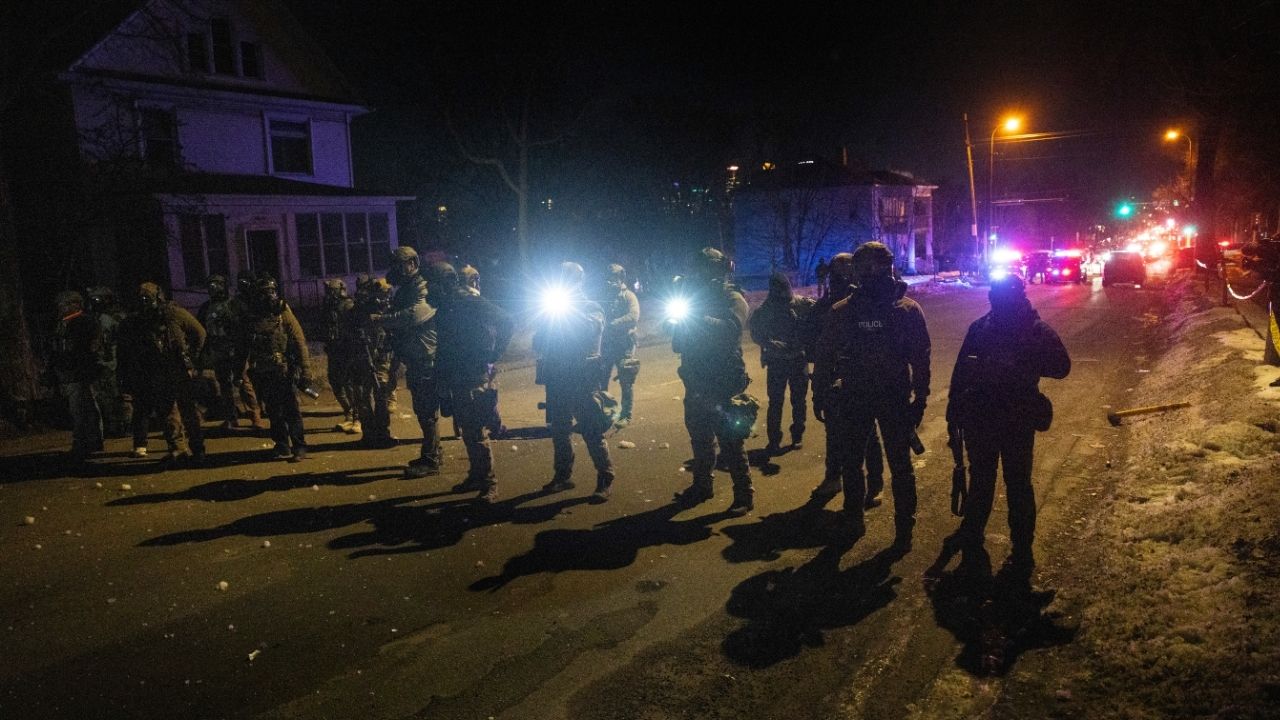
Castro, who had been previously charged in state court, was among the thousands of federal agents who flooded Minnesota over the objections of local officials. Those agents made thousands of arrests, clashed regularly with residents and shot three people during the campaign, leaving two U.S. citizens dead.

The indictment against Castro was filed under seal, and officials expect to make it public once he is in custody.
Prosecutors said Castro shot and wounded Julio C. Sosa-Celis, who is from Venezuela and who lacked legal status in the United States. The Jan. 14 shooting was followed by hours of protests and vandalism.
Top Trump administration officials initially came to Castro’s defense. But unlike the administration’s position in other shootings, federal officials publicly distanced themselves from Castro in the weeks that followed. Criminal charges against Sosa-Celis and another man were dropped; Castro was suspended; and video footage emerged that contradicted key aspects of the initial federal account.
It was not immediately clear whether Castro had hired a lawyer for the federal case.
Federal prosecutors were still considering whether to file civil rights charges against Castro, the person familiar with the case said Thursday.
Three other people familiar with the case — Robin Wolpert, a lawyer for Sosa-Celis; Frederick J. Goetz, a lawyer for a roommate of Sosa-Celis who has been classified as a victim in the case; and a third person who spoke on the condition of anonymity to discuss sensitive information — said in August that prosecutors were preparing to charge Castro with civil rights crimes. Wolpert and Goetz said they’d been informed of those plans by prosecutors and that the charges did not materialize on the timeline they had provided.
State prosecutors in Minnesota charged Castro with assault in May in connection with the shooting. He was arrested in Texas and held in a county jail for three months after declining to agree to extradition. When contacted by reporters through a jail messaging system, Castro did not respond.
He still has not answered to the state charges in court. Gov. Greg Abbott of Texas, a Republican, did not sign off on Castro’s extradition, usually a routine step when one state is seeking a transfer of an inmate from another, prompting Minnesota officials to sue Abbott in federal court in Texas.
A judge sided with Abbott, who said he needed more time to consider the request, and Castro was released from jail last week under a Texas law limiting extradition detentions to 90 days.
Federal prosecutors do not face the same barriers in moving a defendant from one state to another, and Abbott would not have to sign off for Castro to be transferred to Minnesota on the federal charges.
The shooting of Sosa-Celis received less attention than the other two shootings involving federal agents in Minnesota last winter. It remains unclear whether immigration agents will face charges in those other shootings, which resulted in the deaths of Renee Good and Alex Pretti, both American citizens.
—
This article originally appeared in The New York Times.
By Mitch Smith and Ernesto Londoño/David Guttenfelder
c. 2026 The New York Times Company