

|
Getting your Trinity Audio player ready...
|
I have spent my career sitting across the table from small business owners in the Central Valley. Manufacturers, distributors, retailers, family shops that have been here for generations. They want the same things their customers want. Lower costs. Clear rules. And a state that actually helps them get to yes on doing the right thing for the environment, instead of moving the goalposts every legislative session.

By Niko Madrigal
Opinion
We just watched what happens when Sacramento writes its own rulebook instead of using the one the rest of the country and the rest of the world already agreed on. In July, a federal judge blocked California from enforcing SB 343, the state’s recyclability labeling law, finding it was too vague for businesses to actually comply with and that it leaned on standards that did not line up with the ones companies already use everywhere else they operate. Businesses that sell products in all fifty states, and often in dozens of countries, were told to build a separate compliance system just for California. The court said no. But not before those businesses had already spent real money trying to figure out how.
Another Costly Only-in-California Recycling Bill
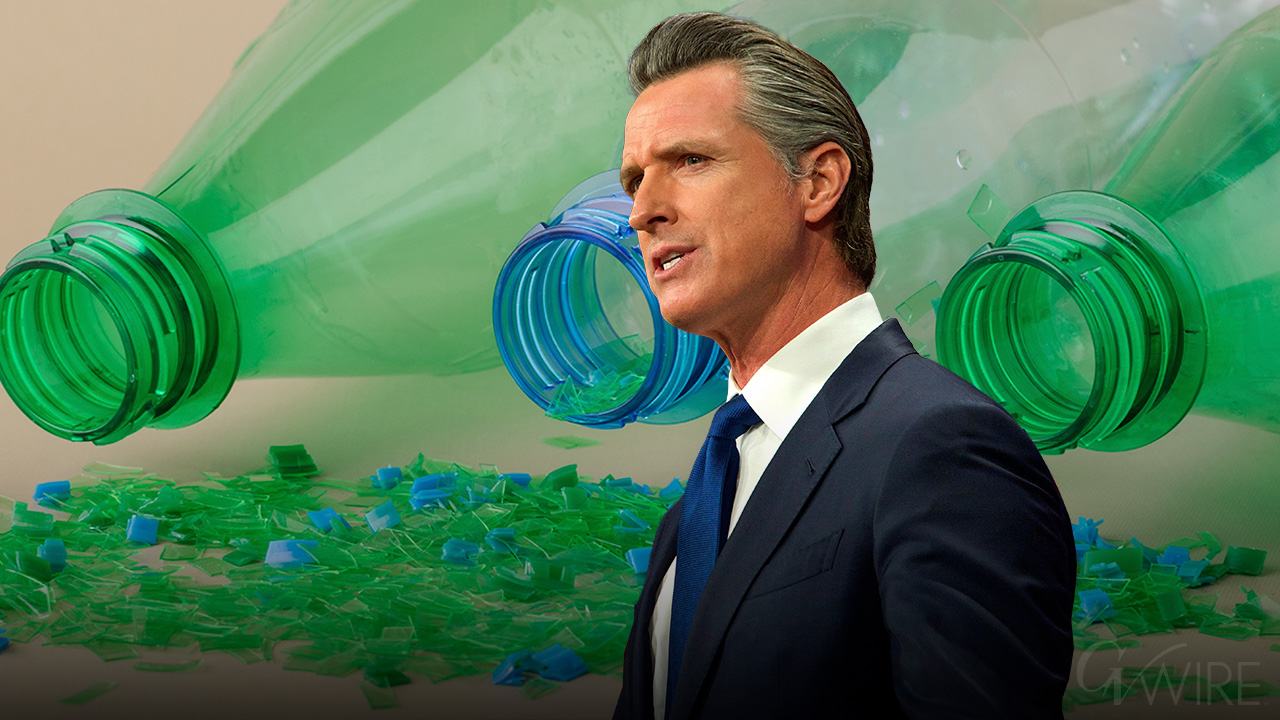
Now we are staring down the same mistake again, this time with AB 2253, a bill on Gov. Gavin Newsom’s desk.

AB 2253 targets something called mass balance accounting. It sounds technical, so let me put it in plain terms. When a company recycles plastic at scale, the recycled material often runs through the same equipment and the same production lines as everything else. Mass balance is simply the audited method for tracking how much recycled material went in, and making sure companies only claim credit for that exact amount, no more.
It is not a loophole. It is a chain-of-custody system, independently verified, used in more than 85 countries, including the entire European Union. It is the same basic accounting approach behind renewable energy certificates and certified sustainable lumber, two markets nobody seriously argues are a scam.
Why Business Owners Are Concerned
Here is the part that should worry every business owner in the Central Valley, whether you touch plastic packaging or not. California did not invent mass balance accounting, and we are not the only ones who rely on it. It is the international standard. Companies that manufacture and sell products here also sell them in Texas, in Illinois, in Germany, in Japan. They build one recycled content program and certify it once, under rules that regulators and auditors around the world already accept. AB 2253 would tell those same companies that California, alone, does not accept it.
That is not a small technical tweak. That is California picking and choosing which internationally recognized standards it wants to keep and which ones it wants to throw out, the same instinct that just got SB 343 tied up in federal court.
And the businesses caught in the middle do not get to shrug it off. They either build a separate, more expensive supply chain just to keep selling here, or they pull recycled content products out of California shelves entirely. Either way, someone pays for it, and it is not the trade associations arguing about accounting methods in Sacramento. It is the family buying groceries in Fresno, in Madera, in Visalia, in Merced watching prices climb on products that, everywhere else in the country, are considered a recycling success story.
Businesses Aren’t Looking for a Free Pass
None of this means California has to sit on its hands. Nobody in the business community is asking for a free pass on honest recycled content claims. We are asking for one thing that should not be controversial. If a standard is good enough for the European Union, for 85 other countries, and for the auditors who verify these claims for a living, it ought to be good enough for California too. Consumers deserve honesty, and they already have it, through a verification system that already exists and already works. What they do not need is a second, California-only definition that raises costs and does not recycle one additional ounce of plastic.
We just spent months and real money finding out what happens in court when California decides the rest of the world’s standards are not good enough for us. I would ask the governor not to make our local businesses, and the families who shop with them, go through that twice.
Set AB 2253 aside, and let’s keep building on the recycling progress California has actually made, instead of tearing up the rulebook everyone else is already using.
About the Author
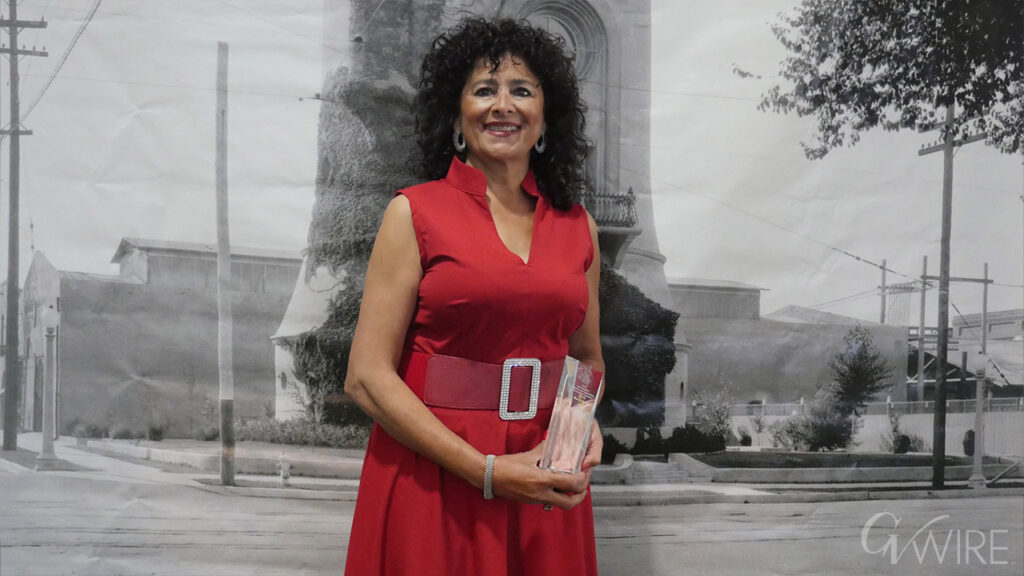
Niko Madrigal is CEO of the Central California Hispanic Chamber of Commerce.
Make Your Voice Heard
GV Wire encourages vigorous debate from people and organizations on local, state, and national issues. Submit your op-ed to bmcewen@gvwire.com for consideration.