

|
Getting your Trinity Audio player ready...
|
You can’t predict baseball. But that has never stopped anyone from trying.
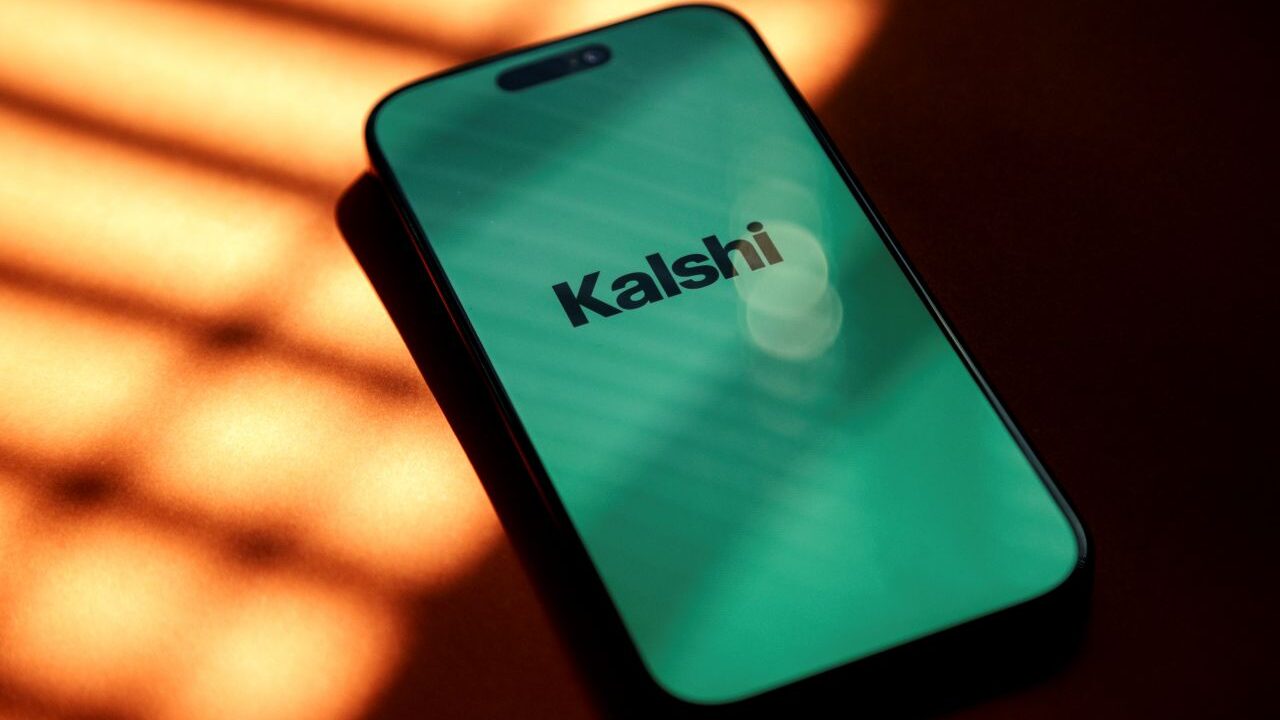
The bond between the sport and prediction markets has tightened over the last month, with seven major league teams formalizing sponsorships with a prediction market. On Tuesday, Kalshi announced partnerships with five major league franchises: the Atlanta Braves, Boston Red Sox, Los Angeles Dodgers, San Diego Padres and San Francisco Giants. They join the New York Mets and New York Yankees, who had earlier announced their own deals, with Novig and Polymarket. Meanwhile, Kalshi is also reportedly in talks for a league-level deal.
This is all happening as Congress is asking for more stringent regulations on the sport’s promotion of gambling and the state of New York is trying to upend the industry with a lawsuit. Here is how the landscape may evolve.

Why are these sponsorships happening now?
When MLB formed a partnership with Polymarket before the season, it was inevitable that teams would follow suit. A lot of organizations view partnerships with prediction markets like those with sports betting companies, and they are aware the money does not flow endlessly.
“There’s a real explosion of spending, and once the customer acquisition race isn’t quite as heated, a lot of that spending becomes almost pointless,” said Danny Funt, author of “Everybody Loses: The Tumultuous Rise of American Sports Gambling.” “You have all these different players, and most customers aren’t using a bunch of platforms. They’re using one or two. So you want to spend a lot to be the one or two.”
While there may not be a huge advantage to being the first team to announce this kind of deal, there is a significant financial edge in ensuring you are not left out.
“We were well aware of the process happening at the league level,” said Lew Sherr, president of business operations for the Mets, whose deal with Novig was the first for a major league club with a prediction market. “When the opportunity presented itself, we were well prepared to act on it.”
Being first might have meant more to Novig than it would have to Kalshi or Polymarket.
“We know we’re newer to the market,” Nikhil Panu, senior vice president for growth at Novig, said. “Being able to be first movers on different things is important to us.”
Dustin Gouker, a sports gambling analyst, said of Novig: “They have a lot of catch-up to do. Being promoted by a team is a huge deal for someone that doesn’t have a ton of name recognition in the world right now.”
What do the prediction markets get out of the arrangement?
Two main things: legitimacy and access to greater rewards for their best customers.
“These team deals are about legitimacy,” Gouker said. “The team and the leagues are putting their backing that this is a good product that is fine. With all the angst about gambling or not gambling, legitimacy has a lot of currency.”
Talking about the initial deals the Mets and Yankees made, Funt said: “At a time when they’re really in legal limbo, when their claim to be something other than gambling is not persuading a lot of judges, two of the biggest franchises in sports giving them a stamp of approval is pretty significant.”
Ari Borod, Polymarket’s president for sports business development, said in an email, “For us, it’s a great way to introduce Polymarket to more sports fans.”
Borod said fan experiences for Polymarket users could eventually include taking batting practice or running the bases at Yankee Stadium. Panu mentioned that Novig’s deal with the Mets contains integration with the club’s rewards program, which could also lead to users having enhanced experiences at Citi Field.
“It seems clear prediction markets are trying to ramp up their version of the VIP business,” Funt said. “It’s not just luxury boxes but taking VIPs on the field beforehand and doing meet-and-greets or events with retired players — all this stuff they can do to pamper VIPs that are made possible by the team deals.”
What do teams get out of the arrangement?
Money. These deals can be worth as much as eight figures per year.
Teams also gain access to a different demographic of fans, one craved by most every business: young adults.
Should we expect to see deals for all 30 teams?
“You’re likely to see many more,” Sherr said before Tuesday’s news about Kalshi’s agreements. He noted that Novig was not the only prediction market the Mets engaged with on a potential sponsorship.
Whether it reaches total saturation with all 30 teams having a prediction market sponsor is less certain. But Tuesday’s news with Kalshi reaffirmed that we are in a land-grab moment for teams.
“These companies are keen to get in front of sports fans,” Sherr said. “The value of live events and the value of sports have never been greater. You’ll see these brands become well represented across sports.”
How do the league and markets combat potential insider trading?
Insider trading has been a major issue for prediction markets. Polymarket’s own CEO has referred to insider trading as “inevitable.”
After last summer’s suspensions of Emmanuel Clase and Luis Ortiz, MLB took steps to eliminate or cap betting amounts on certain types of possible wagers — like the outcome of individual pitches that Clase and Ortiz were accused of having manipulated.
“Our agreement with MLB includes an integrity framework that restricts markets that could be more vulnerable to manipulation,” said Borod, “including individual pitches and certain decisions by managers and umpires.”
Panu suggested sports wagers would be more difficult to manipulate than some of the general ones offered on other platforms.
“While obviously there have been a few incidents over the past couple years, this is a system that’s been in place with a lot of protocols already in place for sports,” Panu said.
“Ultimately, it comes down to what the players are doing on the field, how the teams are performing. With a lot of other markets, it’s sort of the Wild West where that infrastructure doesn’t exist as of yet.”
This article originally appeared in The New York Times.
By Tim Britton / The Athletic/ Eric Helgas/The New York Times
c.2026 The New York Times Company