

|
Getting your Trinity Audio player ready...
|
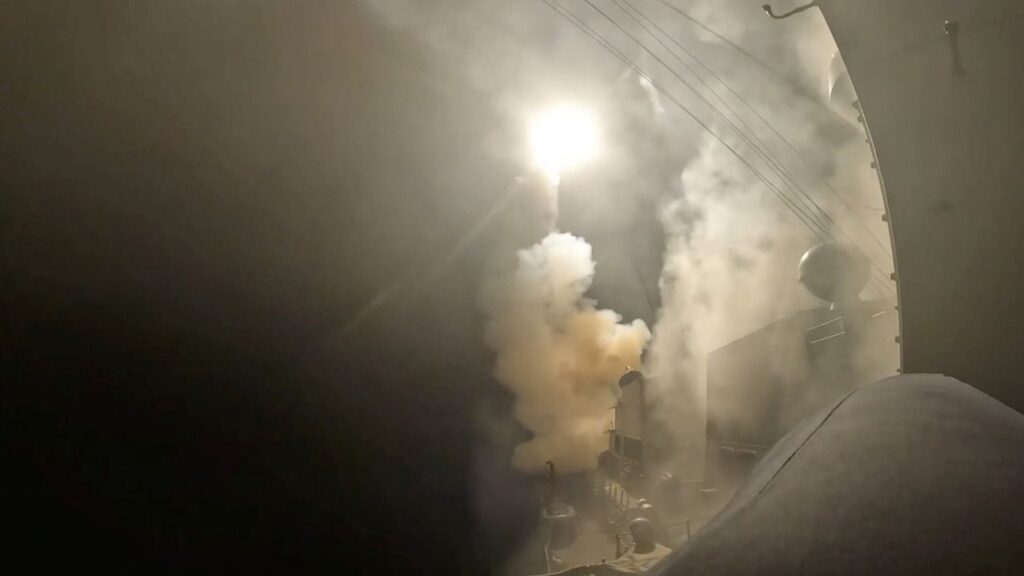
President Donald Trump has set aside, at least for now, plans to sharply escalate the U.S. military assault against Iran, with particular concern that intensifying the war could dangerously drain the Pentagon’s already diminished stockpile of Patriot antimissile interceptors and other air defense munitions in the Middle East.
The threat to interceptor stockpiles is one of many considerations that have made a return to major combat operations a hugely risky endeavor, administration officials say. Trump and his top aides are also uneasy about the prospect of a widening war in the Middle East, the alienation of key Gulf allies who are vulnerable to Iranian attack, a global economic crunch, and growing energy and refugee crises.
The latest turn in Trump’s handling of the conflict with Iran came after a meeting Friday with top advisers and senior members of his Cabinet, according to two people briefed on the discussion.

The private deliberations have focused on the Pentagon’s shrinking inventory of Patriot interceptors and other air defenses, the officials said, discussing operational matters on the condition of anonymity. Three U.S. soldiers in Jordan were killed last Friday when a ballistic missile slipped through U.S. air defenses fending off a barrage of Iranian missiles and drones, a senior U.S. official said.
Gen. Caine Cautions About Depleted Interceptors
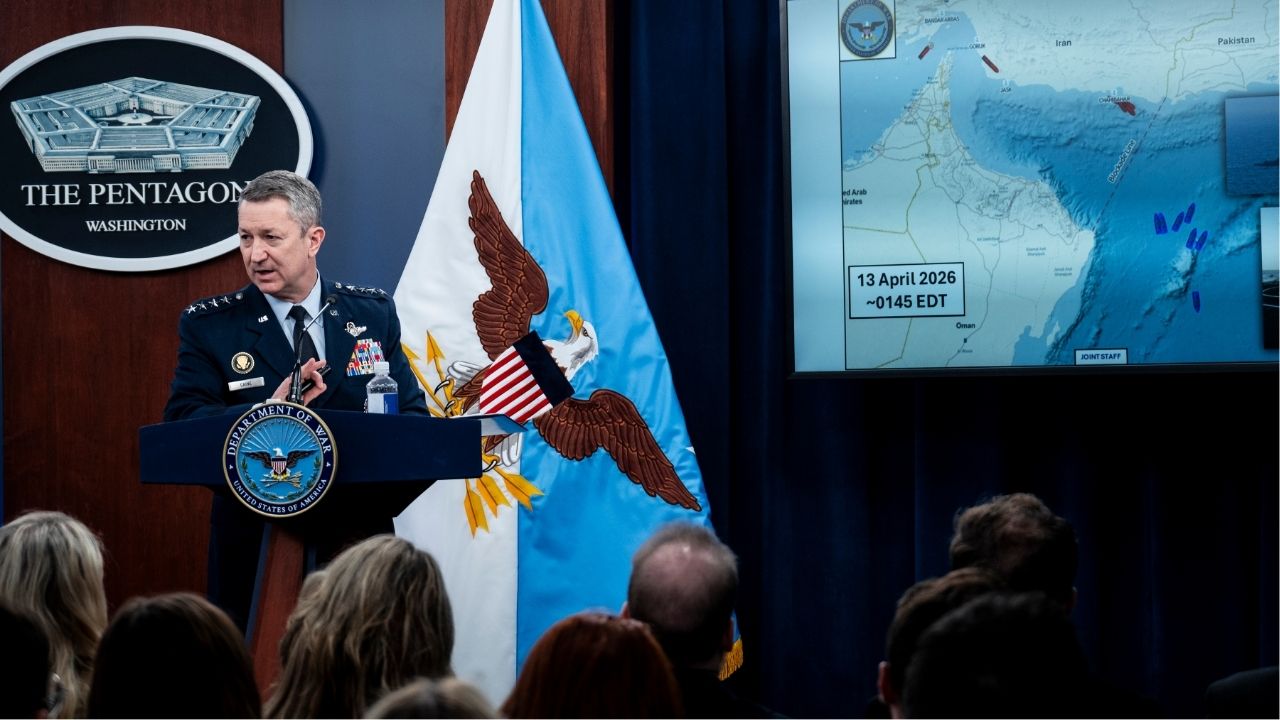
Gen. Dan Caine, chair of the Joint Chiefs of Staff, has cautioned privately that resuming major combat operations against Iran was doable but that it would dangerously deplete interceptors available to the military’s Central Command, which is responsible for operations in the Middle East, the officials said.
Trump has been wrestling with how to proceed in his nearly five-month war against Iran and specifically with how to reopen the Strait of Hormuz, as gas prices climb again amid the resumption of hostilities over the past two weeks. Diplomacy has broken down, and the latest round of extensive U.S. attacks do not seem to have deterred Iran militarily.
Few if any in Trump’s inner circle believed the plan to escalate was wise, said the two people briefed. One senior U.S. official, who also spoke on the condition of anonymity, expressed doubts that resuming major combat operations would drive Iran back to the bargaining table.
The official said the strikes have the opposite effect of what is intended, keeping Iran cohesive and allowing Iranian leaders to focus attention on an external threat.
This article originally appeared in The New York Times.
By Eric Schmitt and Jonathan Swan/Pete Marovich
c.2026 The New York Times Company