
The Centers for Disease Control and Prevention announced on Tuesday that it had confirmed more than 2,500 additional cases of cyclospora infections in the United States, making 2026 the worst year for the parasitic infection on record.
Since May 1, there have been 4,173 confirmed domestic cases across 41 states, as well as 767 people who were infected during international travel. The CDC is investigating more than 7,400 additional cases that are not yet confirmed. No deaths have been reported, and 308 people have been hospitalized.
The previous record for confirmed cases was in 2019, when there were 4,703 domestic and internationally acquired infections over the course of the year; the CDC has reported an average of about 2,800 cases per year since 2016.

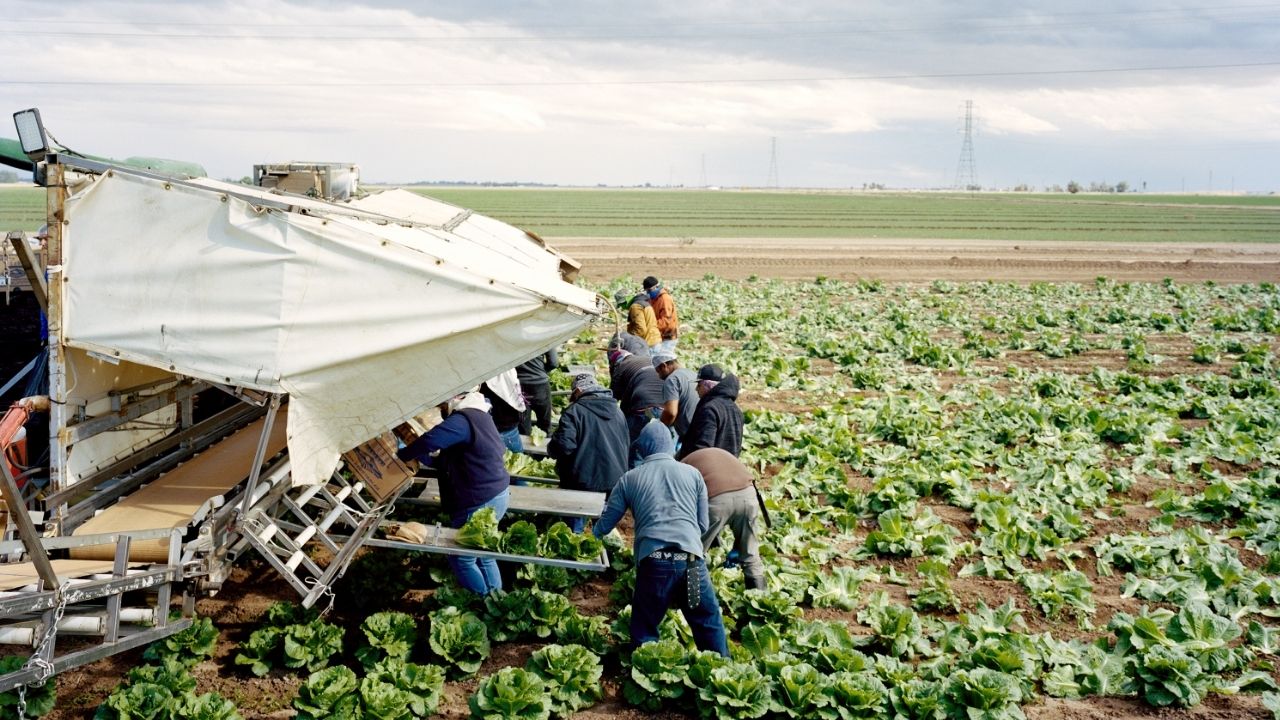
Health officials are still investigating what’s behind the recent spate of illnesses caused by cyclospora, a parasite transmitted through contaminated food and water. There are likely multiple sources, they say, but they have linked one outbreak of at least 1,644 cases in Michigan, Ohio, West Virginia, Indiana and Kentucky to shredded iceberg lettuce sold by Taylor Farms and grown in central Mexico.
Health experts say that the actual number of infections is likely higher. Many people with cyclosporiasis never get tested. And because it takes time for states to report cases to the CDC and for the agency to confirm them, state case counts have often exceeded those reported at the federal level. The New York Times reached out to state health departments for their case counts, which collectively exceed 11,000 infections.
On Tuesday, health officials in Michigan reported 6,148 cases — the most in the country and an 85% increase compared with those reported in the state a week ago. Michigan typically reports about 50 cases per year.
Several other states have also reported higher than usual case counts. On Tuesday, health officials in North Carolina confirmed an 83% spike in cases from the week prior, and Indiana’s cases climbed by 150% across the same time period.
On Friday, Taylor Farms initiated a recall of a variety of packaged products containing iceberg lettuce across 27 states. The company did not clarify how people could tell whether they had bought the contaminated product. And federal health experts have said that other foods could still be implicated.
If that recalled lettuce was a major source of infection in the United States, then cases should begin to plateau within a week or two of the recall, said Keith R. Schneider, a professor of food safety at the University of Florida. It can take up to two weeks for symptoms of cyclosporiasis to appear.
A spokesperson for Michigan’s Department of Health and Human Services said via email Tuesday that it was too early to tell if cases were beginning to trend downward in that state.
The Food and Drug Administration is investigating several other “subclusters” of cyclosporiasis cases across the country, said Kyle Diamantis, the acting commissioner of the agency, in a call with reporters Monday.
While this year’s rise in cases is notable, it’s possible that at least some of the surge is the result of the increased attention surrounding this outbreak, said Craig Hedberg, a professor of environmental health sciences at the University of Minnesota School of Public Health. Once word of an outbreak begins to spread, more people may see a doctor for testing, he said.
And more doctors may be encouraged to order cyclospora tests for their sick patients, said Melvin Kramer, an public health researcher who worked in several state and local public health departments before founding a food safety consulting group. Cyclospora isn’t always included in the standard stool tests for foodborne illnesses, so doctors often need to explicitly request it.
Cyclospora tests are also more readily available than they were during previous big outbreaks, which could be adding to the surge, Hedberg said.
It’s difficult to say how much these factors may be influencing the rise in cases, he said. Researchers could try to tackle that later, but “probably not in the middle of the investigation,” he said, especially as state and local public health departments face funding cuts and staffing shortages.
—
This article originally appeared in The New York Times.
By Alice Callahan and Caroline Hopkins Legaspi/Scott Rossi
c. 2026 The New York Times Company