
|
Getting your Trinity Audio player ready...
|
Global stocks edged higher while bond markets and currencies were largely steady on Thursday as investors balanced renewed tensions in the Middle East against continued strength in technology shares and resilient economic data.
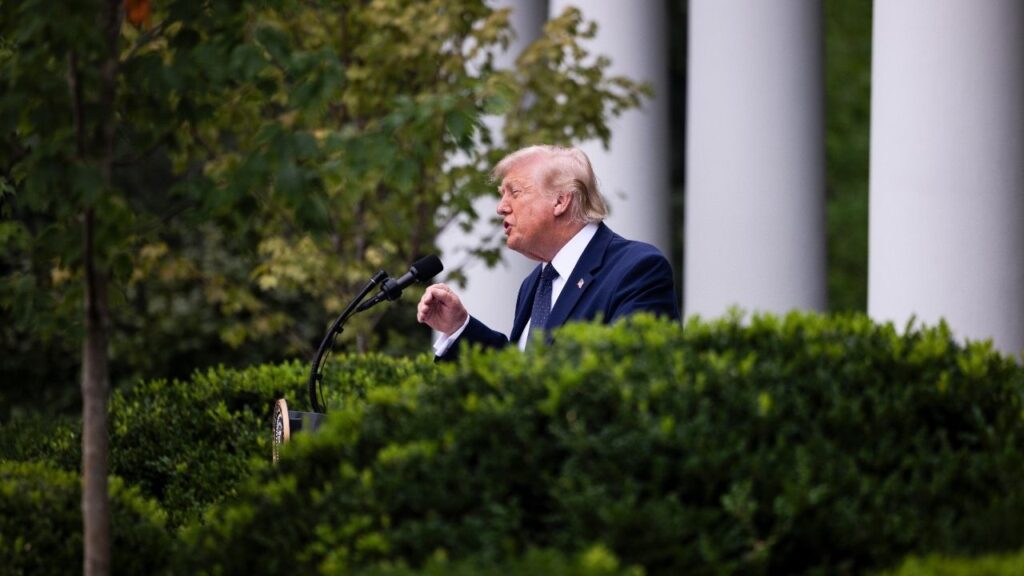
Oil prices seesawed as Iranian armed forces responded to a second night of U.S. strikes with fresh attacks on U.S. military infrastructure in neighboring Qatar, Kuwait and Bahrain.
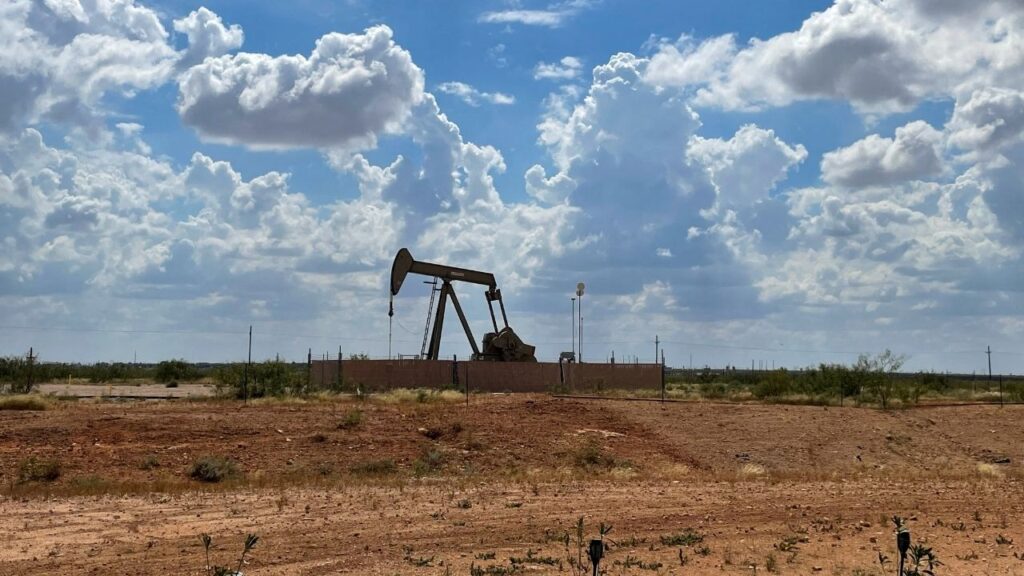
Brent crude futures were down 0.62% to nearly $77.54 after running higher to nearly $79 a barrel earlier in the day. U.S. crude dropped 0.92% to $72.84 a barrel.

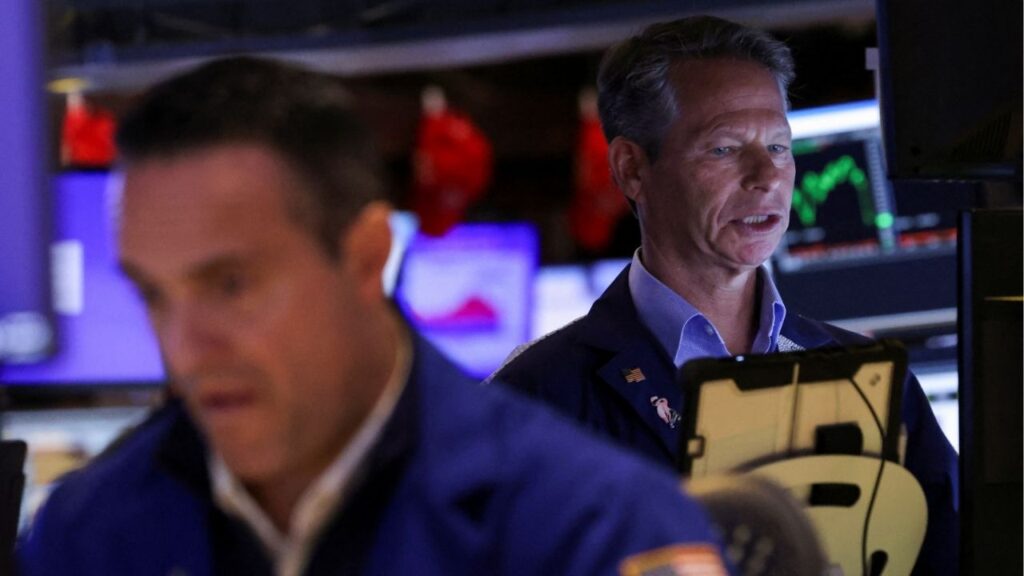
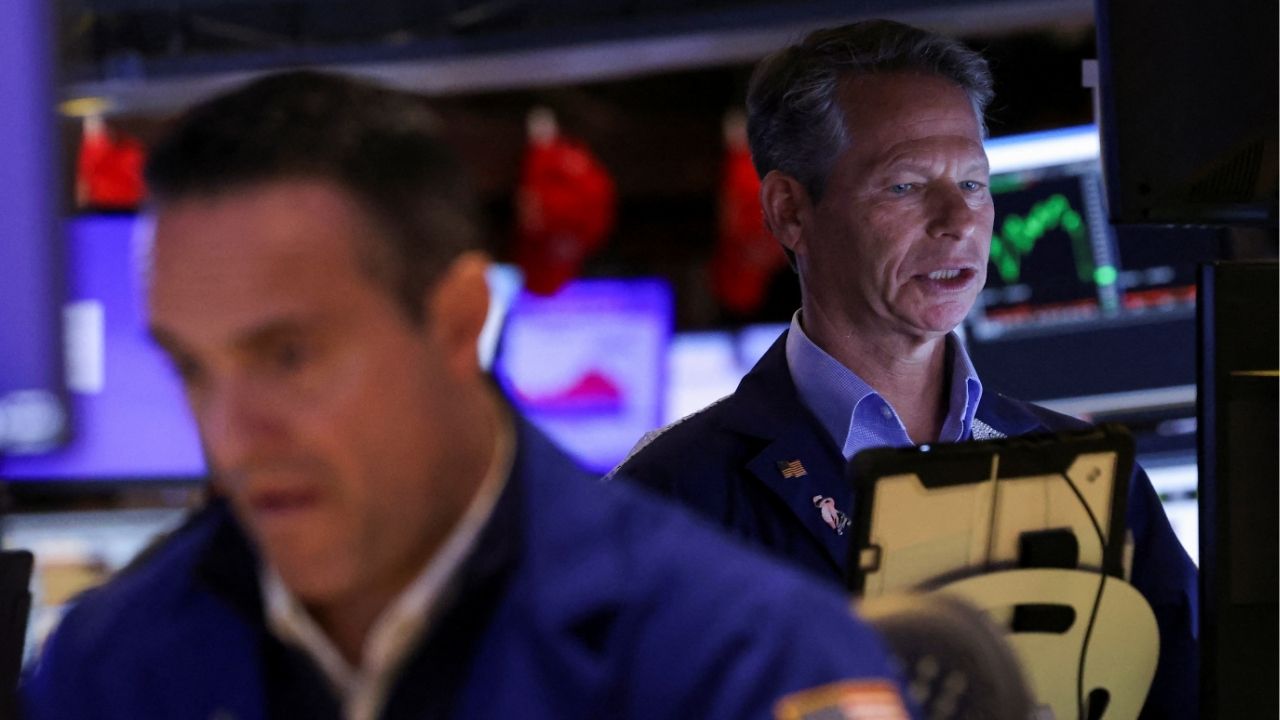
Wall Street opened the day on an optimistic note after shedding some value Wednesday afternoon in reaction to the renewed military action in the Middle East.
The Dow Jones Industrial Average edged up 0.16% in early trading to 52,433.50; the S&P 500 rose 0.41% to 7,513.49; and the Nasdaq Composite jumped 0.62% to 26,030.46. MSCI’s gauge of stocks across the world rose 0.47%.
In Treasury markets, benchmark 10-year U.S. Treasury yields ticked lower to 4.56% having started the month around 4.40%.
HSBC’s Chief Multi-Asset Strategist Max Kettner said the bond markets remained highly sensitive to the Middle East tensions given the potential implications for inflation and global interest rates.
“In reality, the rates market is really following oil prices,” he said. “That has been clear over the last few days.”
Tech Volatility
Back in Europe the pan-European STOXX 600 index remained up 0.7% with tech stocks up 2.6%.
Global sentiment was also buoyed by a report that China could allow domestic AI firms limited access to AI leader Nvidia’s H200 chips and reports that SK Hynix’s $28 billion U.S. share listing was more than seven times oversubscribed.
The offering from the South Korean chipmaker, which will finance new factories and equipment to meet surging AI chip demand, is set to be the world’s second-biggest share sale after SpaceX’s record-breaking $85.7 billion IPO last month.
HSBC’s Kettner said the 30-day “realized volatility” on South Korea’s KOSPI index was 75% currently. In comparison, a 7- to 10-year U.S. Treasury exchange-traded fund traditionally has realized volatility of around 3%.
Muted Currency Markets
The day’s early data showed the number of Americans filing claims for unemployment benefits fell last week, suggesting the labor market remained stable despite a slowdown in job growth in June.
Initial claims for state unemployment benefits slipped 2,000 to a seasonally adjusted 215,000 for the week ended July 4, the Labor Department said on Thursday. Economists polled by Reuters had forecast 218,000 claims for the latest week.
Currency markets were rather muted, with the dollar barely moved, the yen stuck near a 40-year low and the euro, sterling and most other European currencies also little changed on the day. [/FRX]
Wednesday’s June FOMC minutes, the first under new Federal Reserve Chair Kevin Warsh, had shown some growing concerns about inflation. Markets have increased the implied probability of a Fed hike this year to about 87%, according to CME FedWatch.
Gold edged up 1.41% to $4,133.62 an ounce as oil prices eased. [GOL/]