
|
Getting your Trinity Audio player ready...
|
WASHINGTON — The idea was meant to supercharge President Donald Trump’s mass deportation plan.
Immigration and Customs Enforcement would purchase more than a dozen empty warehouses across the United States to massively expand its capacity to detain people deemed to be in the country illegally, which in turn would spike deportations. A year into Trump’s term, it had bought 11 facilities at a cost of $1 billion.
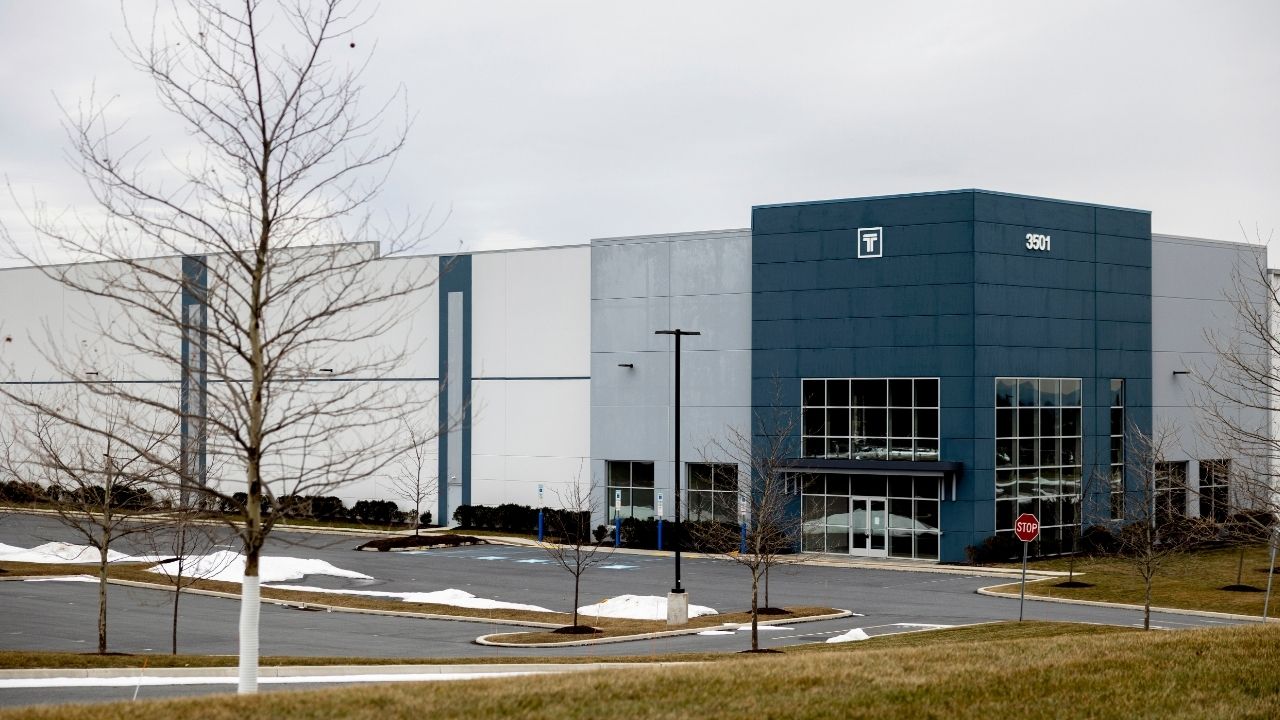
But in a major turnabout, the agency is planning to offload seven warehouses purchased for more than $700 million by either giving them to other federal agencies or selling them outright, according to documents obtained by The New York Times.

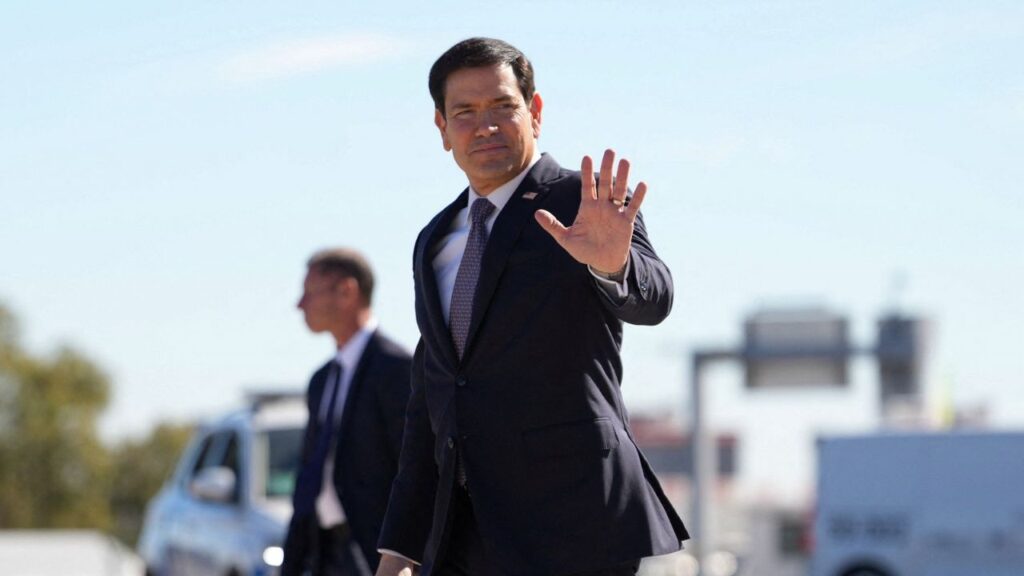
The decision to sharply scale back the warehouse plan is a rejection of a signature initiative under previous Homeland Security Secretary Kristi Noem, who pushed the boundaries of what the government can do to aggressively round up potential deportees. The new secretary, Markwayne Mullin, who had privately expressed skepticism about the plan, has said publicly that he wants the agency to be quieter about how it carries out immigration enforcement.
“From Day 1, DHS has remained singularly focused on removing the worst of the worst criminal illegal aliens from the United States and is always evaluating the best methods to do so,” the Department of Homeland Security said in a statement for this article. “These heinous criminals, once arrested, should be removed at lightning speed, not housed on American soil at the taxpayer’s expense. DHS is moving swiftly to utilize EXISTING detention space with our state and county partners.”
The move comes months after Noem’s agency, flush with cash, pursued an idea to fundamentally change immigration detention in the country by not only expanding it to unprecedented levels but also placing ownership in the federal government’s hands, rather than contractors’.
The shift also raises questions about the original decision-making behind the plan to buy the warehouses — a costly undertaking that involved converting industrial space into places that could house thousands of human beings, with water and sewer capacity and proper ventilation, and created almost immediate conflict with local communities across the United States.
ICE has been battered by lawsuits over a lack of environmental checks, and the Department of Homeland Security’s inspector general is investigating the purchases. The warehouses that ICE plans to hand off or sell are in Romulus, Michigan; Social Circle and Flowery Branch, Georgia; Hamburg and Tremont, Pennsylvania; Salt Lake City; and Roxbury, New Jersey.
The agency appears to still be moving forward with four of the warehouses purchased for detention purposes, in San Antonio and Socorro, Texas; Surprise, Arizona; and Hagerstown, Maryland. However, a federal judge has blocked work on the Maryland facility. It was not immediately clear why the agency decided to proceed with those four spaces for detention. ICE also plans to buy immigrant detention facilities from private prison companies that it already contracts with, according to documents.
But the move to offload most of the warehouses raises questions about the agency’s ability to deport high numbers of immigrants.
Immigrants set for deportation are typically arrested, processed and then detained by ICE before being flown out of the country. For an agency whose budget jumped from $8 billion annually to $28 billion through funding by Congress, detention was always going to be a priority. Without more beds, any conversation of deportation on the scale of what Trump discussed on the campaign trail would be out of the question.
The passage of Trump’s signature domestic policy law turned what was a key challenge — a lack of detention beds — into a suddenly easy problem to solve. And Trump administration officials were confident. After the bill’s passage, White House border czar Tom Homan told the Times that ICE hoped the administration would have 100,000 beds by the end of 2025. The agency topped out at holding around 70,000 immigrants in custody earlier this year.
The lack of detention space had already caught up with ICE as it sought to meet the White House’s aggressive goals to detain thousands of people a day. A federal judge ruled that the agency needed to cut down the number of people it was detaining in an office in a New York City building last year.
But the reality of creating a new detention apparatus has been challenging, much like how the promises of mass deportation have run into the complicated bureaucracy of trying to remove large numbers of people.
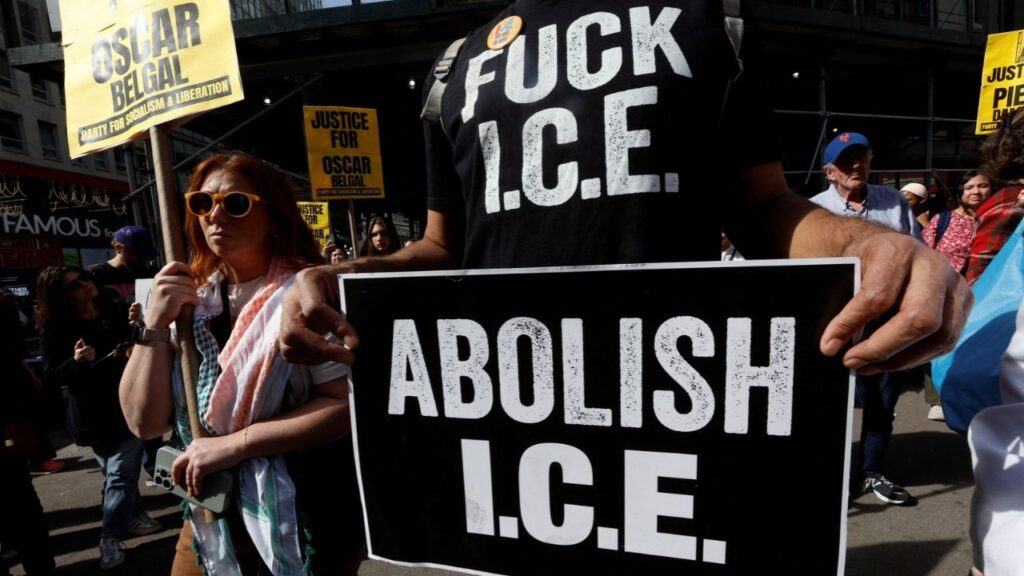
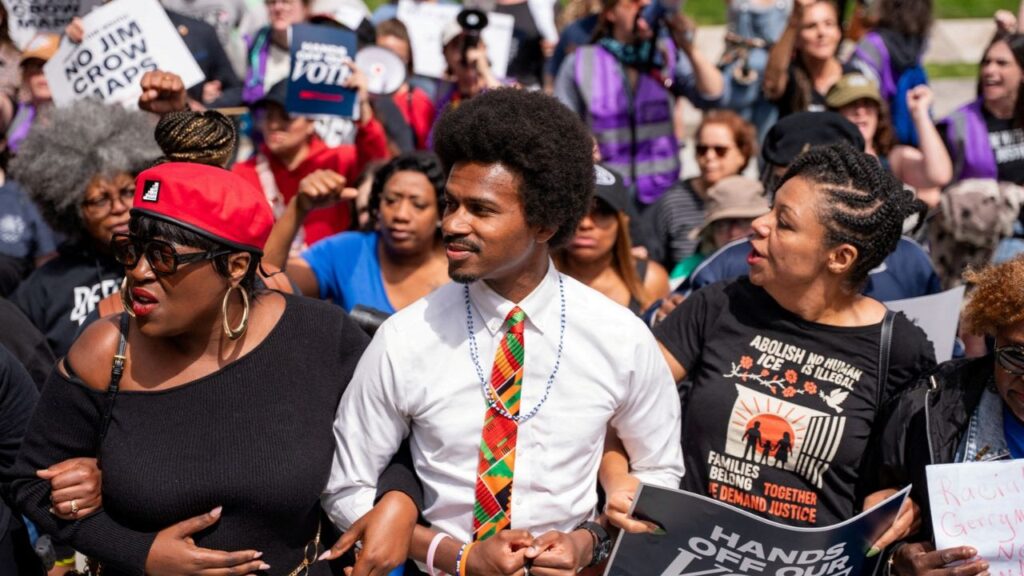
As soon as the agency bought the warehouses, local communities began to rebel, including in conservative areas that worried about the toll on local utilities and the economy, and the potential to draw protests. Even Republican politicians wrote to DHS leaders urging them to turn away from the idea in their communities.
Obstacles mounted when the department’s inspector general announced its investigation. Some of the sites cost upward of $145 million — before costly renovations.
“Clearly the warehouses have caused some serious headaches, with pauses due to state litigation, an IG investigation and no opening date in sight with close to a billion dollars spent,” said Claire Trickler-McNulty, a senior ICE official in the Biden administration. “This plan seemed questionable from inception, and the only thing saving it is probably the endless blank check ICE has for detention.”
But the biggest challenge has been the proliferation of environmental lawsuits across the country.
For months, ICE has faced serious legal challenges over whether the agency adhered to a federal law that requires federal agencies to examine the impact of their projects on the local environment. The lawsuits have set the agency back significantly.
A judge in Maryland blocked ICE from taking any action at a warehouse in the state that it purchased for around $100 million. ICE also told a federal judge in New Jersey the agency would take no action at a warehouse there until it conducted further environmental tests. The agency promised the same in a Michigan federal court as well. Justice Department officials have expressed concern to ICE that the lack of reviews has left the agency vulnerable to more legal roadblocks.
Now, the agency plans to offload warehouses in Michigan and New Jersey, the documents obtained by the Times show.
—
This article originally appeared in The New York Times.
By Hamed Aleaziz/Rachel Winiewski
c. 2026 The New York Times Company