


|
Getting your Trinity Audio player ready...
|
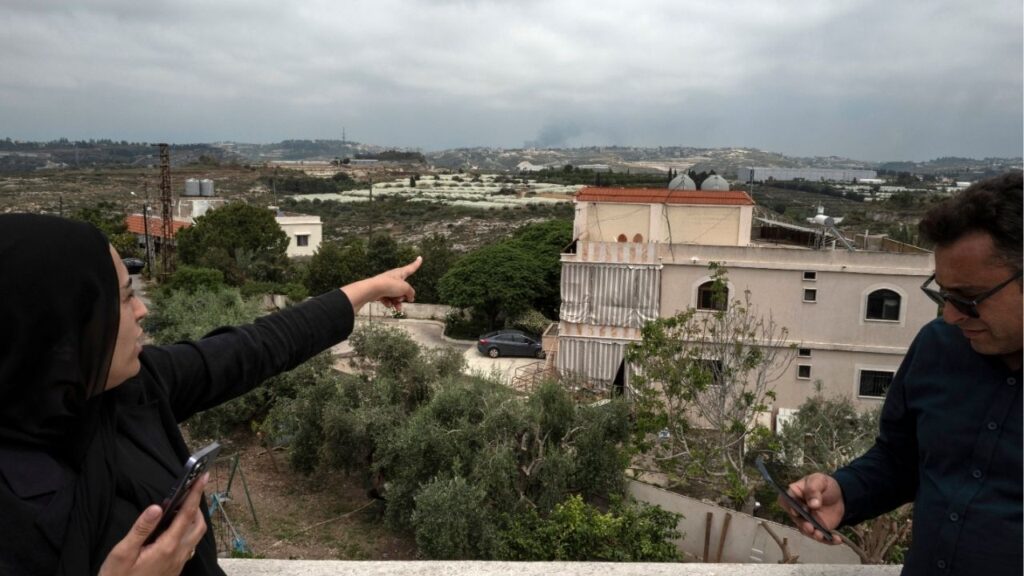
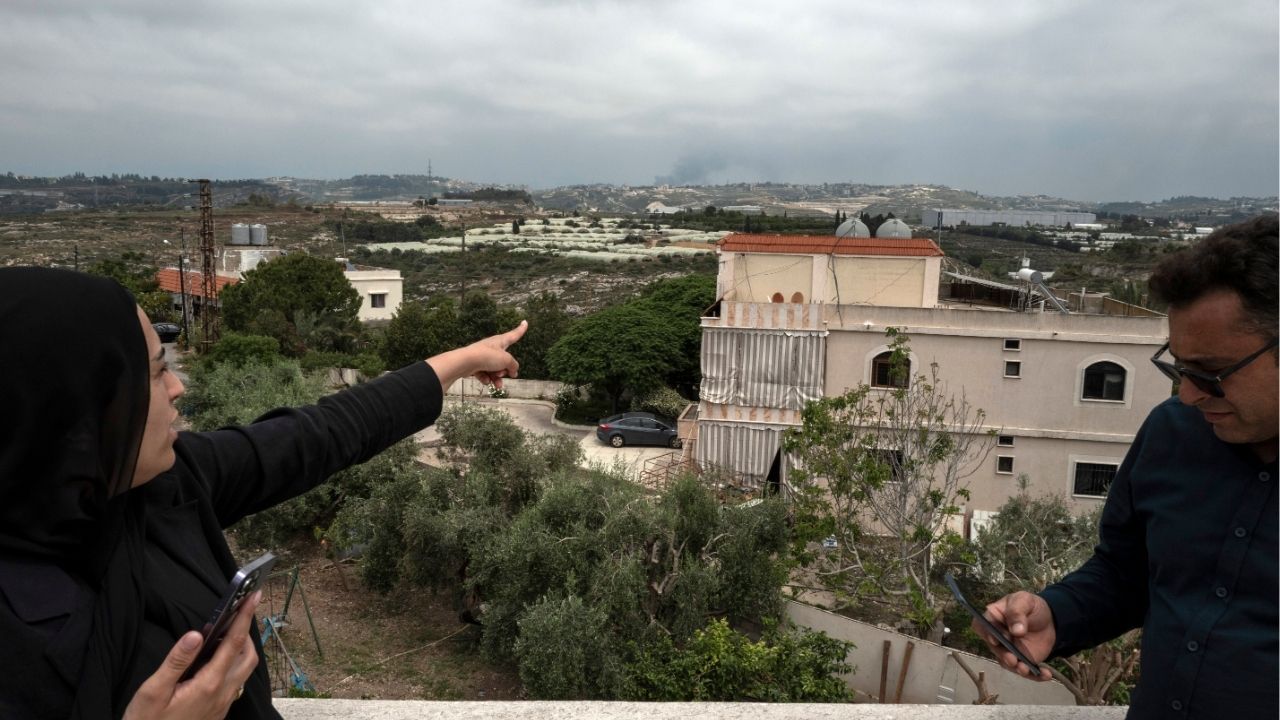
BAYSARIEH, Lebanon — Residents of the town of Baysarieh climbed onto the roofs of their homes to watch the plumes of smoke rising from nearby areas, as Israeli warplanes again struck targets in southern Lebanon on Wednesday.
In Baysarieh, about 12 miles south of the city of Nabatieh, one of the largest urban centers in the south, residents said the sound of Israeli strikes could be heard through the night and into the morning. Warplanes circled overhead continuously after heavy bombardment overnight, their low rumble filling the skies before being punctuated by loud explosions in nearby towns. Some said they had not slept at all, jolted awake repeatedly by the strikes.
“They are getting closer and closer every day,” said Hanan Khalil, a resident of Baysarieh.

The strikes continued as I arrived in the town along with other journalists from The New York Times on Wednesday morning. The sound of explosions from Nabatieh and from even closer echoed across the town. The thud of artillery shelling could also be heard, accompanied by the buzz of drones circling overhead.
Israel has intensified its military campaign against Hezbollah, the Iran-backed militant group, in recent days, striking targets across Lebanon and advancing deeper into Lebanese territory. At least 31 people in Lebanon were killed in the strikes Tuesday, according to the Lebanese Health Ministry. Israeli Prime Minister Benjamin Netanyahu said that day that he had ordered the military to “increase the blows” against the group.
The Israeli military said it had struck more than 150 Hezbollah sites overnight in southern and eastern Lebanon, including weapons storage facilities and command centers. It also issued an evacuation warning Wednesday for Nabatieh, urging people to move north of the Zahrani River.
The war in Lebanon began in March, shortly after the U.S.-Israeli offensive began against Iran, when Hezbollah fired across the border in support of Iran. A U.S.-brokered ceasefire took effect in April, but tit-for-tat attacks have continued, with each side accusing the other of violating the truce. More than 3,200 people have been killed in Lebanon since the conflict began, according to the country’s Health Ministry.
Now, the violence in Lebanon appears to be intensifying just as President Donald Trump and Iranian officials have signaled some progress toward a possible deal to end the U.S.-Israeli war with Iran.
At several points on Wednesday, residents of Baysarieh watched Israeli evacuation warnings broadcast on television. Some of those who climbed onto the roofs of their homes watched to try to determine where the attacks were taking place.
The streets in Baysarieh were unusually quiet, given that it was the first day of Eid al-Adha, one of the two main Muslim holidays that mark the annual pilgrimage to Mecca. In Baysarieh, a few children rode bicycles or chased one another through otherwise empty streets, where most businesses remained closed. Birdsong echoed through the town, mixing with the deafening booms in the distance.
Many people fled when Israel issued evacuation warnings more than a week ago, but some had since returned. The families who remained largely stayed indoors instead of visiting relatives and neighbors, as is customary during Eid.
“It’s a difficult Eid,” Khalil said.
—
This article originally appeared in The New York Times.
By Abdi Latif Dahir/Daniel Berehulak
c. 2026 The New York Times Company