
|
Getting your Trinity Audio player ready...
|
Brent crude futures climbed about 4% on Tuesday after the U.S. military carried out strikes in Iran, adding to uncertainty over whether a deal would be reached soon to end the war and open up shipping flows through the Strait of Hormuz.
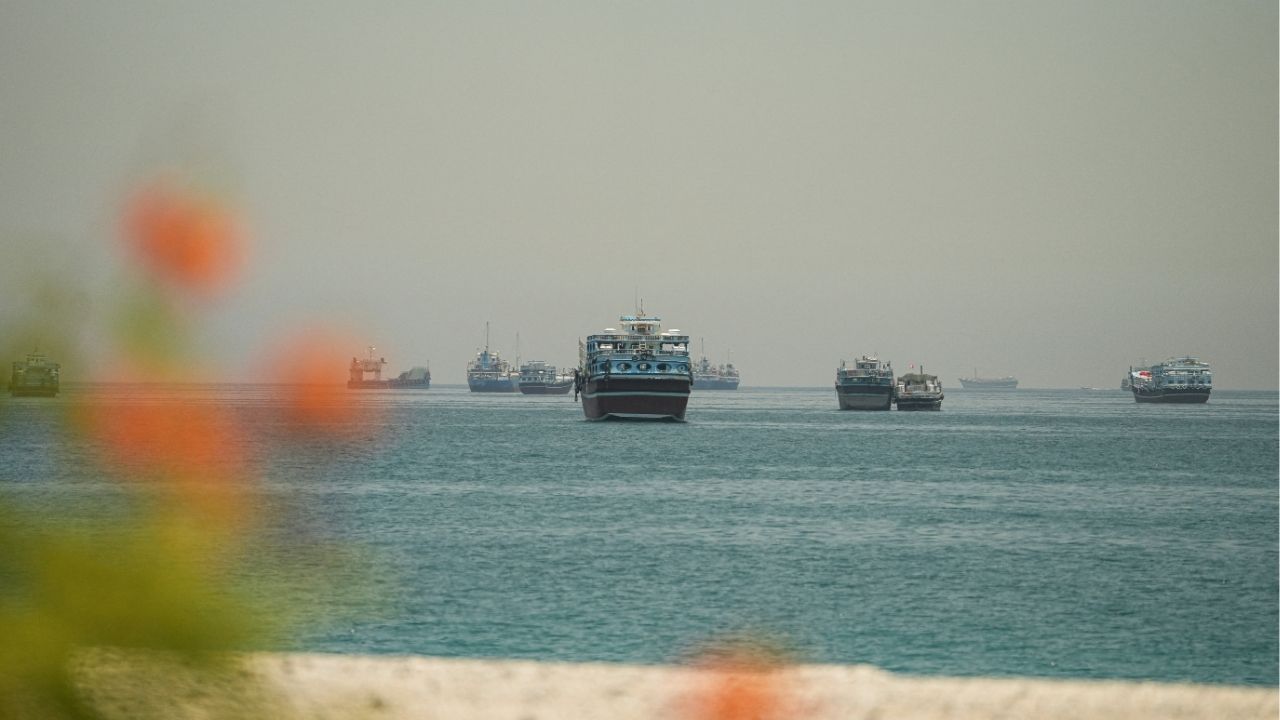
Iran has effectively halted nearly all non-Iranian shipping into and out of the Gulf via the Strait of Hormuz since the war began in late February, choking off about a fifth of global oil and liquefied natural gas (LNG) flows.
Global benchmark Brent rose $3.78, or 3.9%, to $99.92 a barrel at 10:50 a.m. ET (1450 GMT), while U.S. West Texas Intermediate (WTI) crude fell $2.88, or 3.0%, to $93.72.

On Monday, Brent closed at its lowest since April 20 on expectations the U.S. and Iran would soon reach a deal. Those peace hopes were reflected in WTI prices on Tuesday since WTI did not settle on Monday due to the U.S. Memorial Day holiday. WTI was on track to close at its lowest since April 22 on Tuesday.
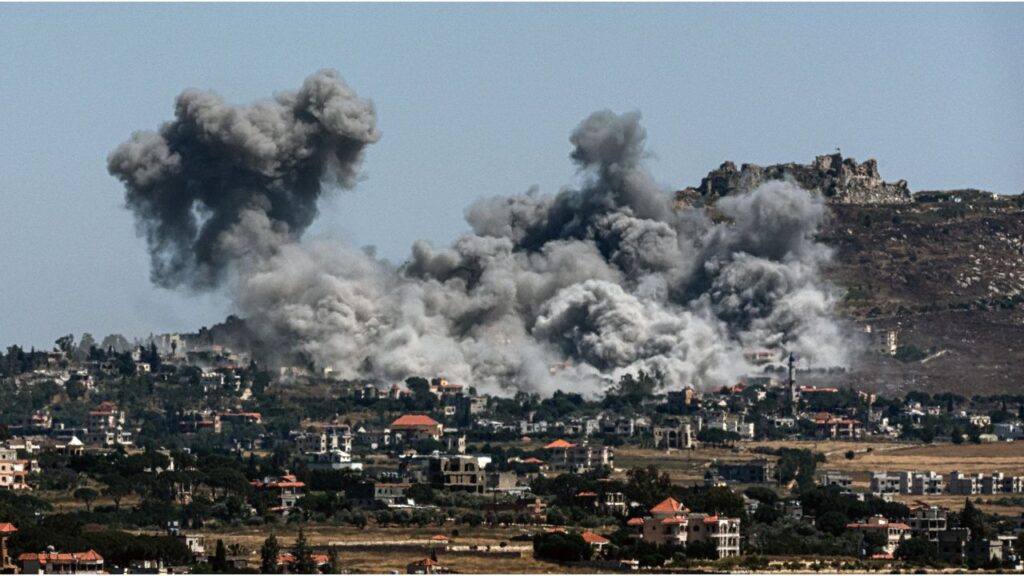
Iran said the United States had violated the ceasefire after the U.S. conducted what it called defensive strikes in southern Iran, while U.S. Secretary of State Marco Rubio said that negotiating a deal to halt the conflict could “take a few days”.
Iran’s foreign ministry said U.S. strikes in the southern Hormozgan province, where Iranian media reported sounds of explosions early on Tuesday, represented a “gross violation” of a tenuous ceasefire in place for nearly seven weeks.
Both sides had indicated progress on a memorandum of understanding that could halt the war and restart shipping through the blockaded Strait of Hormuz, while giving negotiators 60 days to negotiate more complex issues including Iran’s nuclear program.
“We are still waiting for more details on a potential deal,” said Giovanni Staunovo at UBS. “Meanwhile we see renewed tensions in the Middle East, while flows through the Strait remain restricted.”
Iran Officials in Doha for Talks
The U.S. strikes happened as Iran’s top negotiator and its foreign minister were in Doha for talks with Qatar’s prime minister on a potential deal with the U.S. to end the three-month-old war.
“While differences between the parties have narrowed, any eventual peace deal would likely lead only to a gradual reopening, meaning the current tight supply outlook could take months to normalize,” said Ole Hansen at Saxo Bank.
Tankers Tracked Passing Through Strait
Nikkei, citing a Middle East diplomatic source, reported that Iran would clear mines from the Strait within a 30‑day window under the potential agreement, after which vessels from all countries could navigate freely and safely, with Tehran also ending transit-fee collection.
Ship-tracking data showed three LNG tankers passed through the Strait in recent days, heading to Pakistan, China and India, along with a supertanker carrying Iraqi crude to China that had been stranded for nearly three months.
U.S. President Donald Trump on Monday repeated his demand that Iran hand over its enriched uranium so it could be destroyed.
“It’s a sharp reminder that the deal could still collapse at the 11th hour, much like the five previous attempts before it,” said Tony Sycamore, a market analyst at IG.
(Reporting by Scott DiSavino in New York and Alex Lawler and Robert Harvey in London; Additional reporting by Pooja Menon and Emily Chow in Singapore; Editing by David Holmes and Emelia Sithole-Matarise)