
|
Getting your Trinity Audio player ready...
|
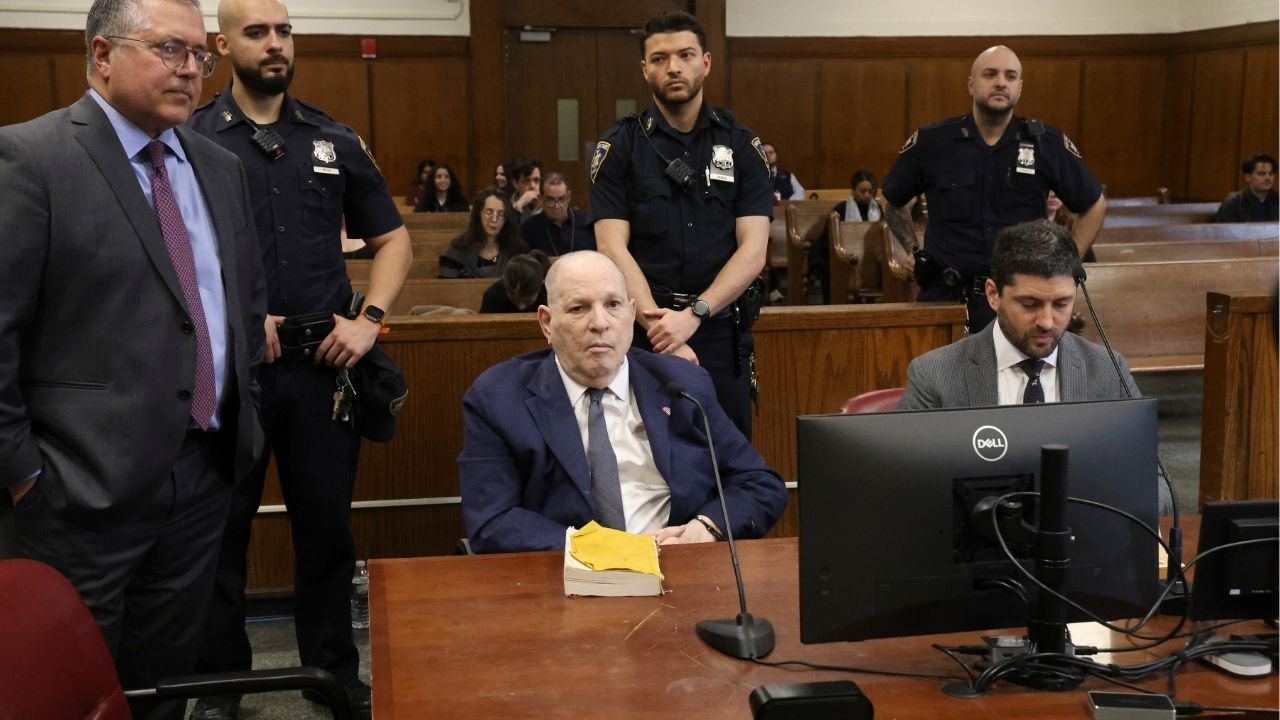
NEW YORK — A judge in New York City declared a mistrial Friday after the jury in Harvey Weinstein’s rape trial was unable to reach a verdict on the charge that the disgraced Hollywood producer raped an aspiring actress in a hotel room in 2013. It’s the second time a jury has not been able to reach a verdict on this charge.
The jury had deliberated for more than two days.
In 2020, Weinstein first went on trial and was convicted of raping the aspiring actress, Jessica Mann. But the verdict was overturned, and in a second trial last year, the jury deadlocked on the rape count. The judge overseeing the case, Justice Curtis Farber of state Supreme Court in Manhattan, ordered a new trial.

On Friday, Farber said it was “quite clear” that the jurors were “hopelessly deadlocked.”
Around 1:15 p.m., he told the jurors that he didn’t “see any reason to go further in deliberations. It’s not meant to be a coercive process.”
He dismissed the jury.
This year’s trial was in some ways a test of the endurance of the #MeToo movement, which demanded accountability for sexual harassment and assault in the workplace. The accusations against Weinstein had catalyzed activism across the globe, and Weinstein, once an influential Hollywood producer, was seen as emblematic of the scores of powerful men who lost their jobs after public allegations of misconduct.
—
This article originally appeared in The New York Times.
By Hurubie Meko and Kate Christobek/Jefferson Siegel
c. 2026 The New York Times Company