




|
Getting your Trinity Audio player ready...
|
A day before six career federal prosecutors resigned in protest over the Justice Department’s handling of the killing of Renee Good in Minneapolis, lawyers in the office had a conversation with Gregory Bovino, the Border Patrol field leader, that left them deeply unsettled.
According to several people with knowledge of the telephone conversation, which took place on Jan. 12, Bovino made derisive remarks about the faith of the U.S. attorney in Minnesota, Daniel N. Rosen. Rosen is an Orthodox Jew and observes Shabbat, a period of rest between Friday and Saturday nights that often includes refraining from using electronic devices.
Bovino, who has been the face of the Trump administration’s immigration crackdown, used the term “chosen people” in a mocking way, according to the people with knowledge of the call. He also asked, sarcastically, whether Rosen understood that Orthodox Jewish criminals don’t take weekends off, the people said.

Bovino had requested the meeting with Rosen to press the Minnesota office to work more aggressively to seek criminal charges against people Bovino believed were unlawfully impeding the work of his immigration agents.
Bovino Complains Prosecutor Was Unavailable Because of Shabbat
Rosen delegated the call to a deputy. During the call, with a handful of prosecutors listening in, Bovino complained that Rosen had been unreachable for portions of the weekend because of Shabbat. Bovino’s remarks followed his complaints about having difficulty reaching Rosen.
Bovino’s comments raised judgment concerns, but also a potential legal dilemma for government lawyers. Based on a 1972 Supreme Court decision in a case known as Giglio, prosecutors have an obligation to disclose certain information to the defense that could call into question the integrity and character of a law enforcement officer who is involved in an arrest and called as a witness in a trial.
Bovino did not respond to requests for comment.
Tricia McLaughlin, a spokesperson for the Department of Homeland Security, which includes the Border Patrol, did not respond directly to questions about Bovino’s comments. “Instead of focusing on gossip, why don’t you focus on something actually important like the victims of illegal alien crime or the criminals taken out of Minneapolis communities?” she said.
A representative for the Department of Justice did not respond to a request for comment.
Rosen declined to comment for this article.
Rosen Sought Role to Combat Antisemitism
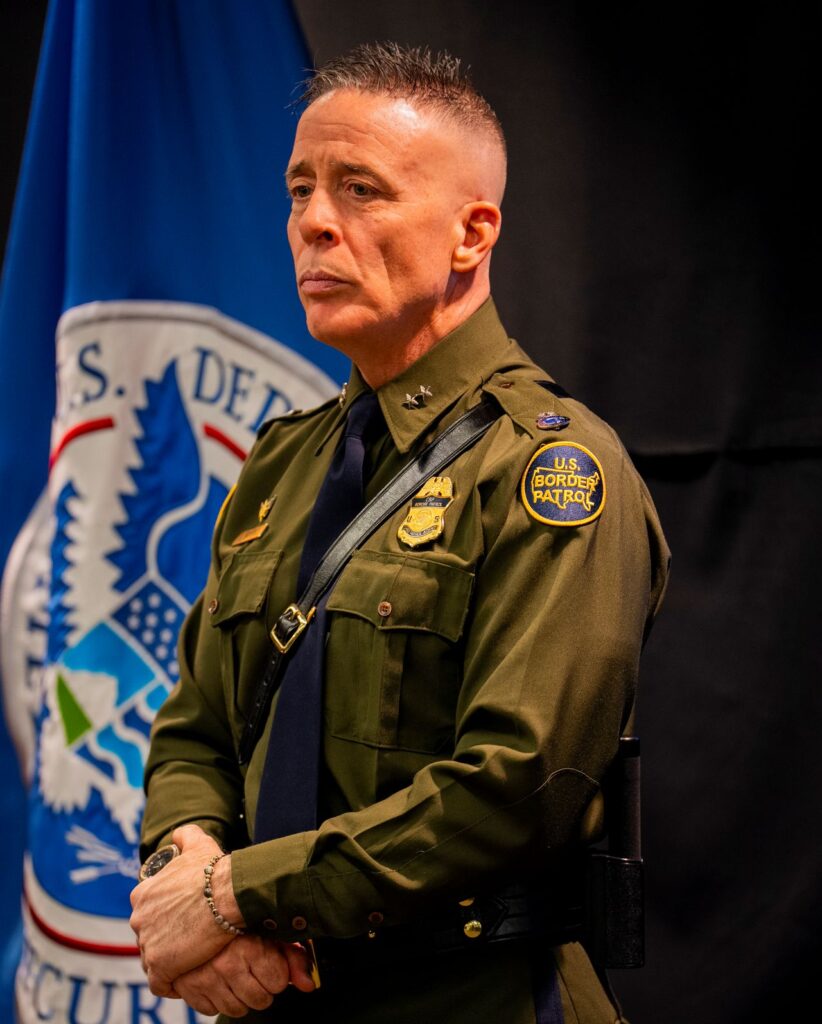
Rosen, a commercial litigator, has kept a relatively low profile since he became the U.S. attorney in Minnesota last October.
In an interview that month with an online news outlet, Jewish Insider, Rosen said that one of his “primary motivations” for seeking his current role was the power it gave him to combat what he called the “rapid escalation of violent antisemitism” in the United States.
“Jewish history tells us that Jews fare poorly in societies that turn polarized, and where that polarization evolves into factional hatreds in the non-Jewish societies within which we live,” he told the outlet.
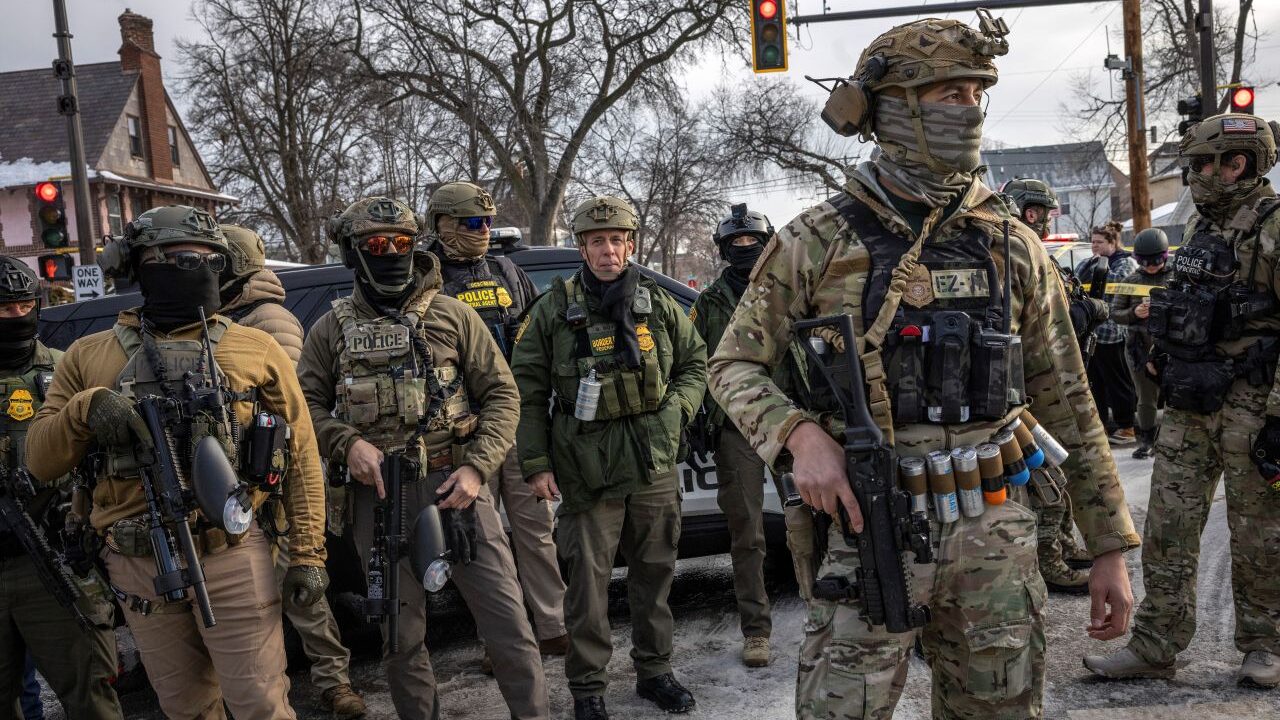
Bovino, a Border Patrol commander based in Southern California, became among the most visible figures in the Trump administration’s aggressive immigration crackdown in cities starting last summer.
During stints in Los Angeles and Chicago last year, he rankled local officials by leading patrols of heavily armed men and by speaking dismissively about Democratic elected officials.
He spent several weeks in Minnesota in January, where he was perhaps the most recognizable leader of the deployment of some 3,000 federal agents. Their activities have been met with fierce opposition from local residents.
Bovino Wore Coat Resembling That of Nazi Officers
During his time in Minnesota, Bovino was often photographed wearing an Army green overcoat with big metallic buttons. Federal officials described the overcoat as part of a standard-issue Border Patrol winter dress uniform, but the coat nonetheless drew widespread criticism online for its resemblance to uniforms worn by military officers in Nazi Germany.
Bovino left Minneapolis on Tuesday as the Trump administration struggled to manage the fallout of the second fatal shooting by immigration agents since the Minnesota crackdown began late last year.
Immigration agents under Bovino’s command fatally shot Alex Pretti, a Minneapolis resident who worked as a nurse at the local Veterans Affairs hospital. Bovino defended the agents hours after the shooting last Saturday.
“This looks like a situation where an individual wanted to do maximum damage and massacre law enforcement,” Bovino said at a news conference.
That characterization was at odds with videos of the incident, which show that agents wrestled Pretti to the ground, seized a weapon from near Pretti’s right hip, and shot him multiple times in the back.
Bovino was also the face of the immigration crackdown in Chicago, often accompanying agents during raids and arrests around the city. His actions drew reprimands from a federal judge, Sara Ellis of the U.S. District Court for the Northern District of Illinois, who imposed restrictions on Bovino and federal agents under his supervision.
In October, Bovino was seen lobbing a tear-gas canister into a crowd of people in the Little Village neighborhood of Chicago without warning protesters.
Summoned into Ellis’ courtroom, Bovino assured her that he would abide by her rules. In November, Ellis ruled that Bovino had repeatedly lied about the tactics of the Border Patrol and the actions of protesters.
This article originally appeared in The New York Times.
By Ernesto Londoño and Hamed Aleaziz/David Guttenfelder/Vincent Alban
c.2026 The New York Times Company






![[hubspot type=form portal=8576119 id=f5235c74-daca-46b2-b841-0fec24b5a509]](https://gvwire.com/wp-content/uploads/2026/09/GVH_LaborDaySavings_300x250_static.jpg)
