


|
Getting your Trinity Audio player ready...
|
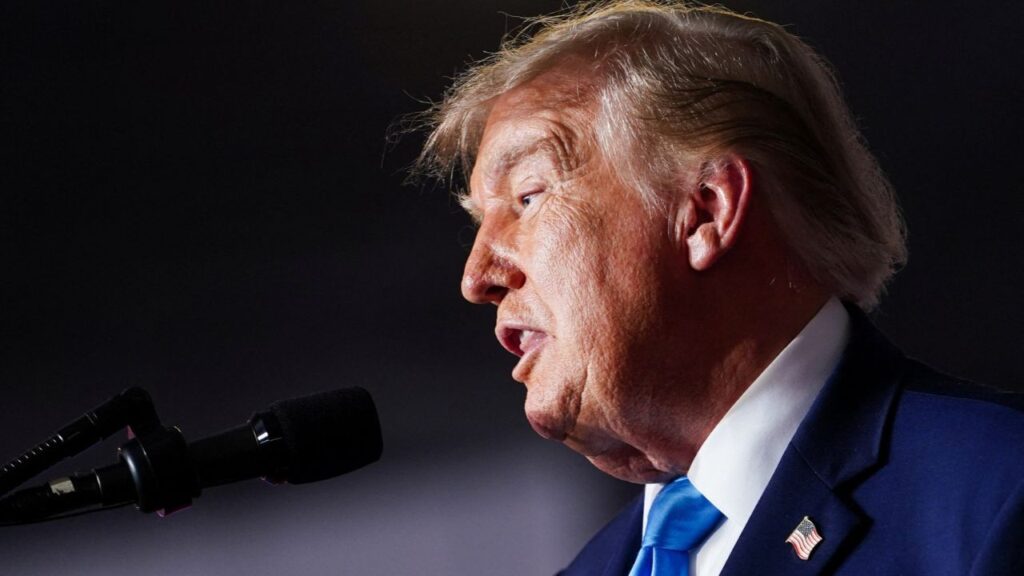
WASHINGTON — Touring the country in the final days of a high-stakes midterm campaign, President Donald Trump has frequently returned to his signature economic theme: A nation long wracked by high prices has finally seen relief after two years of Republican control.
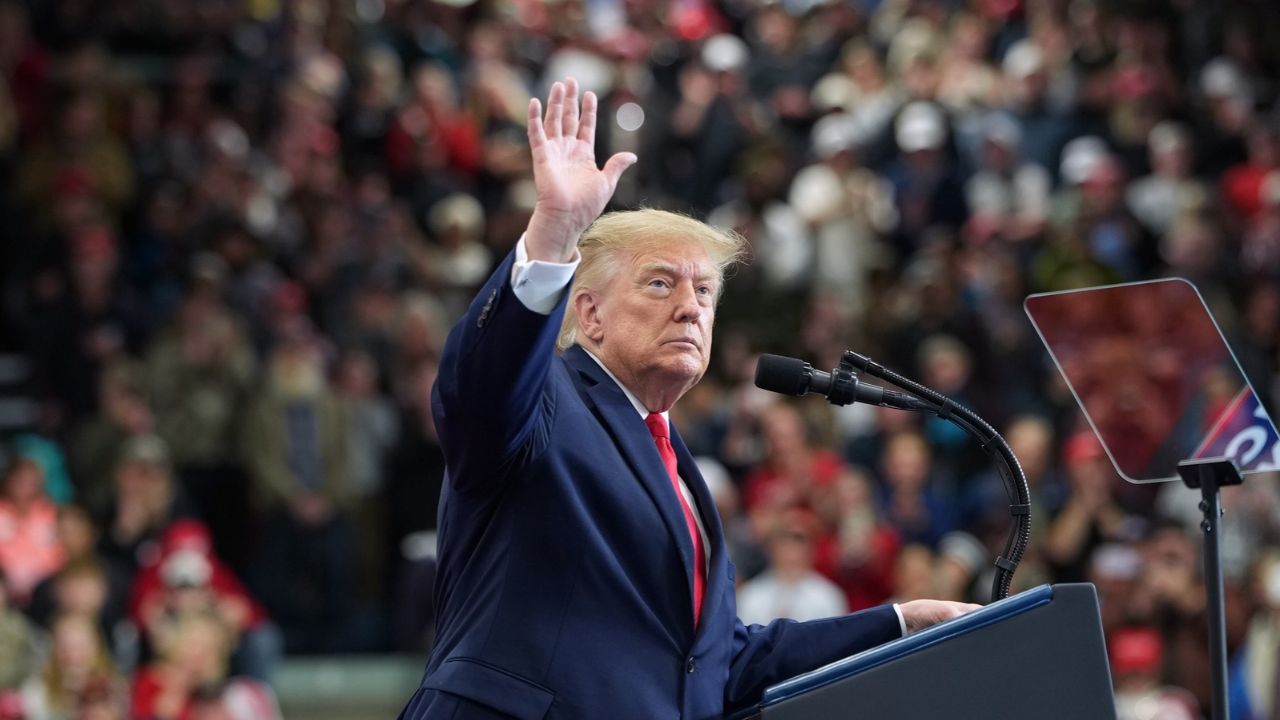
“Every time they want to try and get me, they say affordability,” Trump decried during a speech in Wasilla, Alaska, late Tuesday, before claiming that he had delivered “substantial” improvements for families.
Not even a full day later, however, the government’s own data told a markedly different story. The last inflation report before the 2026 election showed that price increases had accelerated in September, undermining Trump’s closing argument and perhaps evincing the political rout for Republicans still to come.

Overall, consumer prices rose 3.7% last month from a year ago, driven largely by a spike in energy costs stemming from the war with Iran. The consequences of that increase were evident across the economy, as a vast set of goods, including electronics and home heating, became more expensive.
The surge in inflation also continued to eat into workers’ hourly earnings, further magnifying the strain on families’ wallets. The data released Wednesday showed that Americans, on average, had experienced about zero wage growth in real terms since the president returned to the White House in January 2025.
The poor marks only further undercut Trump’s initial source of political strength: a simmering frustration with the state of the economy in the wake of the coronavirus pandemic. The public’s palpable and bipartisan anger about inflation — and Democrats’ inability to tame it — had helped to propel Republicans into the majority two years ago.
Yet, like their predecessors, Trump and his Republican allies have since found themselves trying to convince Americans that the economy is better than they think. In the president’s own words, the problem is primarily bad “public relations,” though his argument has become harder to make in light of the government’s own dour data.
The gap between Trump’s view of the economy — and Americans’ experiences with it — has been evident in recent days as the president and his top aides fan national television airwaves and rallies with less than a month before they cast their midterm ballots.
“With respect to the midterms, in particular, this cake has already been baked,” said Oren Cass, founder and chief economist at American Compass, a conservative think tank. He said it was “not like there was any prospect of a report today that was going to change people’s feeling about inflation and gas prices,” which remain high.
“And so this was obviously going to be a very serious political challenge for the White House and the Republican Party,” Cass added.
At the start of the week, Kevin Hassett, director of the National Economic Council, argued on Fox Business that inflation had “decelerated sharply over the last three months,” while blaming the problem on former President Joe Biden, who left office almost two years ago.
One day later, though, Hassett returned to the network and acknowledged the inflation report was “disappointing,” even as he pointed to a handful of areas in which prices had improved. He attributed much of the problem to the war with Iran, a conflict — now nearing the close of its eighth month — that Trump once promised to conclude in mere weeks.
“A lot of Trump policies are helping to keep inflation down, but the energy shock is really the headline story today,” he said.
The surge in inflation reported Wednesday stemmed largely from rising energy costs amid widening turmoil in the Middle East. By Wednesday, the average cost of a gallon of gasoline nationwide topped $4.33, according to AAA, down from its recent peak but still more than $1 higher than it was a year ago.
But the conflict has strained families beyond the price at the pump: Heating costs also soared in September, according to the data, coinciding with the arrival of cooler weather in broad areas of the United States. It has also pushed up airfares, which were up 1.2% in September and 22.4% over the year.
Trump’s agenda appeared to shape the nation’s persistent battle against high prices in other ways. The defining feature of his second-term strategy — withering global tariffs — may have nudged up some prices, including toys. And then there were forces outside of the president’s control, including the exuberance around artificial intelligence. That drove up the cost of consumer electronics significantly in September.
Democrats quickly seized on the inflation report as they sought to persuade voters to return them to a majority in the House and Senate. Rep. Brendan Boyle of Pennsylvania, who leads the party on the House Budget Committee, said the data reflected Trump’s “broken promises and economic failures” since returning to office.
“President Trump promised to end inflation and lower costs ‘on Day 1,’” Boyle said. “More than 600 days into his second term, he has done the exact opposite, driving up costs for American families with his disastrous war in Iran and reckless tariff taxes.”
For its part, the White House was still quick to remind that there were plenty of categories where consumers had witnessed some relief, including in some food and drug prices. Hassett, during his appearance on Fox Business, maintained that the economy otherwise was strong and that consumer spending remained healthy.
—
This article originally appeared in The New York Times.
By Tony Romm/Doug Mills
c. 2026 The New York Times Company