
|
Getting your Trinity Audio player ready...
|
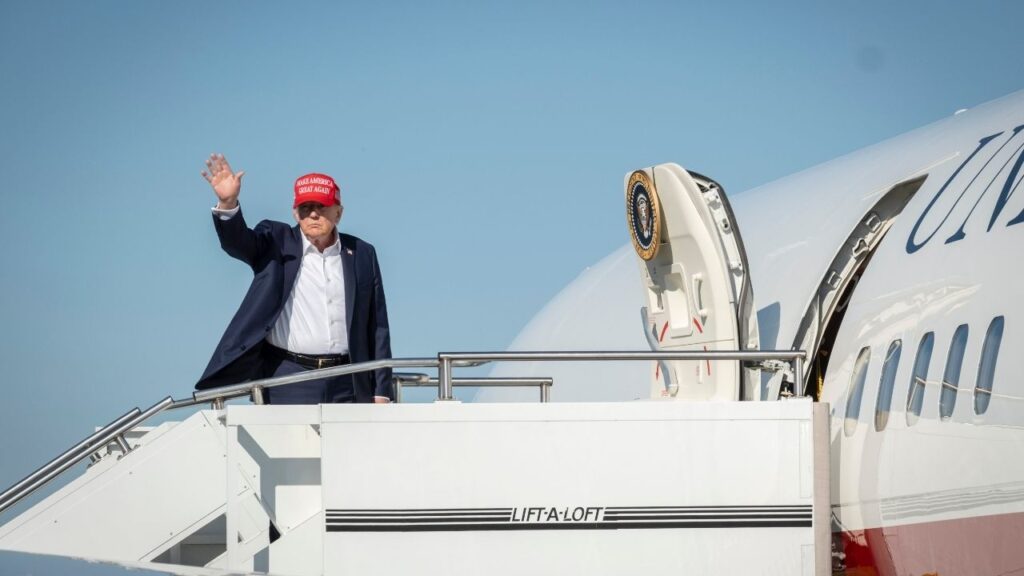
WASHINGTON — The House on Tuesday voted for a third time to direct President Donald Trump to end the war in Iran or seek explicit authorization to continue it, delivering another bipartisan rebuke to his handling of the conflict as fighting in the region continues and American voters increasingly disapprove.
Seven Republicans joined Democrats in supporting the resolution, which does not carry the force of law but seeks to compel the administration to either halt the operation or win a vote of Congress approving it. But the action in the Republican-led chamber was the latest sign of frustration on Capitol Hill over the ongoing conflict and its domestic impacts, including high gas prices, weeks before midterm elections in which control of Congress is at stake.
Lawmakers voted 220-204 in favor of the resolution, which was offered by Rep. Seth Moulton, D-Mass., and a combat veteran who said the war with Iran “has not only failed, but backfired.”

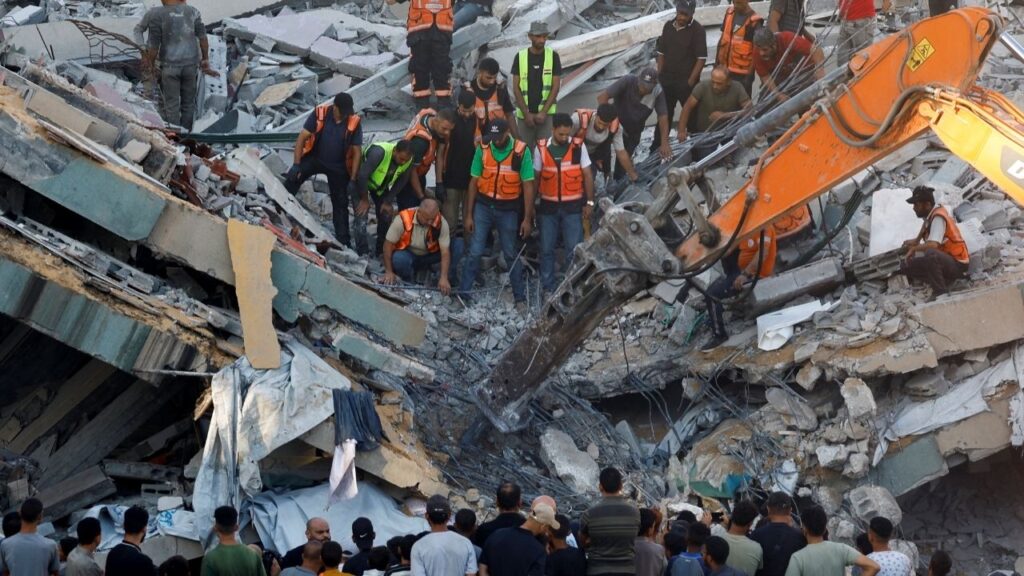
Moulton and his colleagues pointed to depleted munitions stockpiles, rising energy costs and a far lengthier war than the weekslong foray that Trump and Defense Secretary Pete Hegseth promised when they began bombing Iran at the end of February.
Several of the Republicans who broke with the majority of their colleagues to vote in favor had done so on previous votes, including Reps. Tom Barrett of Michigan, Warren Davidson of Ohio, Brian Fitzpatrick of Pennsylvania and Thomas Massie of Kentucky. They were joined by Reps. Nancy Mace of South Carolina and Mariannette Miller-Meeks and Zach Nunn, both of Iowa, who previously opposed efforts to restrict military operations against Iran.
“With the negotiating window closed, sustained combat operations now require congressional authorization,” Nunn, a combat veteran, said in a statement after the vote. He also noted that among the 18 U.S. service members who have been killed since the war began, two were from his home state. “Congress owes them, their families and every American in uniform clear objectives and constitutional oversight.”
It was the latest move by Democrats to highlight Republican backing for the war as polls show it is increasingly unpopular with the voters they need to maintain their majorities in Congress. A national poll conducted this month by The New York Times and Siena University found that the conflict, which has driven gas prices above $4 a gallon, is weighing down the president’s approval rating, with more than three-quarters of independent voters saying they disapproved of his handling of the war, along with nearly a quarter of those who supported Trump in 2024.
Democrats who backed the measure said the president had circumvented Congress in violation of the Constitution to unilaterally undertake an overseas war for which the administration has provided no clear direction, timetable or set of objectives.
“This Congress has not authorized a war with Iran, and yet this administration has kept our troops in harm’s way without a declaration of war, without an authorization from Congress and without any plan for how to win or end the war,” Rep. Gregory W. Meeks of New York, the top Democrat on the Foreign Affairs Committee, said when the measure was debated Monday evening on the House floor.
Though the vote was the fifth time that a bipartisan majority in one chamber of Congress has voted to direct Trump to end the war, the president continues to refuse to involve the legislative branch and shows no signs of winding down the military campaign.
The Times/Siena poll found that only 31% of likely voters approve of the war with Iran. Among Republicans, that figure is much higher, with 77% in favor. But among independent voters, a group that could play a critical role in the midterm elections, the numbers are even more lopsided, with only 21% of those polled approving of the war.
Antipathy has grown as the conflict continues to affect both the global economy and energy costs in the United States. The average cost of diesel fuel reached a record $6 per gallon last week, and rising energy prices are affecting air travel, farming and a number of sectors that have ripple effects for American consumers.
The direct costs of the war from Feb. 28 through Aug. 1 reached roughly $38 billion, the Congressional Budget Office reported Tuesday, but the figure was limited because the Pentagon declined to provide details about how much had been spent.
The latest House rebuke of the war came as Republicans in the Senate were also growing more frustrated about the conflict.
Sen. Thom Tillis, R-N.C., who has opposed efforts to rein in Trump on the war, said Tuesday that he would now support such a measure. “It is time to be clear on the strategic objectives and start measuring results,” Tillis said. “And that’s not something that we’ve had since they started the conflict.”
Tillis initially backed the administration’s assertion that congressional approval was not necessary, maintaining that Trump was within his constitutional authority to direct the military for 60 to 90 days without congressional approval. That period passed in the spring, but Tillis still deferred to the president.
On Tuesday, he said that since the administration began characterizing the conflict as a war in mid-July, that started a two-month clock for Trump to secure authorization, which has now lapsed.
“It is important to start saying we deserve an update,” Tillis said. “Congress can be of assistance with this war effort if you inform us.”
—
This article originally appeared in The New York Times.
By Robert Jimison/Pete Marovich
c. 2026 The New York Times Company