



|
Getting your Trinity Audio player ready...
|
A government transparency dispute in California is raising broader concerns about digital privacy and the safety of families connected to legal professionals at a time when attorneys, judges, and other public officials increasingly face threats extending beyond the workplace and into their homes.
By Jason Bailey
Opinion
The controversy involves Jim Reeves, a Visalia-area blogger who has publicly challenged the city of Visalia’s use of Flock Safety camera technology and sought government records related to the surveillance system.
As part of that effort, Reeves subsequently published a separate post containing a legal response associated with his public records request that identified a city attorney involved in responding to the matter.

That raises a broader question: When information can legally be obtained from government, what responsibility does someone publishing it to an online audience have to consider its potential impact on the safety and privacy of an attorney and uninvolved family members?
Recent Fresno Incident Demonstrates the Concern
The potential danger faced by government attorneys is neither abstract nor geographically distant.
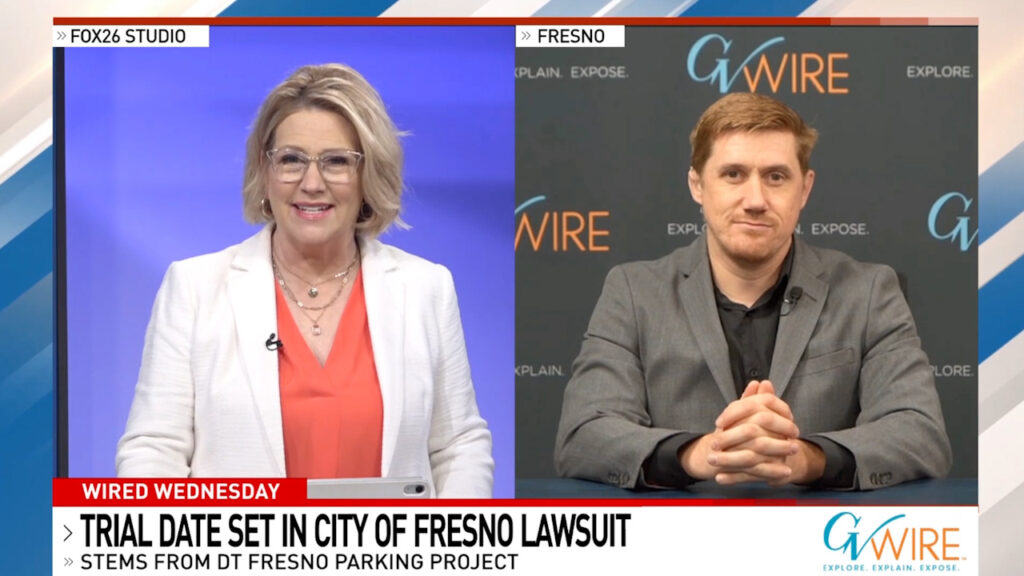
Approximately 45 miles north of Visalia, Fresno City Attorney Andrew Janz and his family experienced a frightening incident at their home in May 2026.
According to published reports, at about 3:30 a.m. on May 17, a man wearing gloves and carrying a knife appeared at Janz’s residence, rang the doorbell, entered the backyard, and banged on a back door while Janz and his family were inside.
Authorities arrested the man at the property who was charged with attempted first-degree burglary and trespassing. After a judge dismissed the felony burglary count, the man pleaded no contest to tresspassing.
Janz said he believed the incident was connected to the man’s previous litigation involving the city of Fresno. His young daughter was reportedly home during the incident.
The significance is difficult to overlook: the confrontation did not occur at City Hall or inside a courtroom. It occurred at the attorney’s family home in the middle of the night.
Threats Against Legal Professionals Are Documented
The Janz incident and a recent knife attack on a Fresno County prosecutor come amid broader concerns about threats and targeted violence involving the legal system.
The U.S. Marshals Service has documented hundreds of threats against federal judges annually. One of the most prominent examples occurred in 2020, when an attacker went to the New Jersey home of U.S. District Judge Esther Salas, killing her 20-year-old son, Daniel Anderl, and critically wounding her husband.
The tragedy helped spur greater protections surrounding personally identifiable information belonging to members of the federal judiciary.
These incidents illustrate why seemingly ordinary identifying information involving legal professionals and their families deserves thoughtful consideration before widespread online amplification.
Children Should Not Become Collateral Damage
The attorney identified in Reeves’ publication is the mother of minor children.
Those children have no connection to Visalia’s Flock camera program, the public-records request, or the surveillance debate.
Today’s digital environment, however, allows a name appearing in one government document to be combined almost instantly with social-media profiles, photographs, family relationships, property information, and other publicly accessible records.
Information does not have to be secret to create risk when separate pieces of information are collected, connected, and amplified.
The issue is not whether citizens should use public-records laws to scrutinize government. They should.
Nor is it whether journalists, bloggers, and citizens may criticize government agencies or attorneys. They unquestionably may.
The issue is whether responsible publication should include consideration of foreseeable consequences for people — particularly children — who have nothing to do with the controversy.
These children did not install Flock cameras. They did not establish city policy. They did not respond to a public records request.
They should not become collateral damage in someone else’s campaign against local government.
Transparency and Responsibility Can Coexist
Government transparency is essential, but transparency and responsible publication are not mutually exclusive.
The Visalia controversy illustrates an increasingly important intersection between government accountability, citizen journalism, social media, digital privacy, and personal safety.
About the Author
Jason A. Bailey, MBA, is a lifelong Visalian, and father with deep roots in California’s Central Valley. A graduate of California State University, Fresno, Bailey spent his professional career in executive business management and leadership and is also an entrepreneur.
Make Your Voice Heard
GV Wire encourages vigorous debate from people and organizations on local, state, national, and international issues. Submit your op-ed or letter to bmcewen@gvwire.com for consideration.