
|
Getting your Trinity Audio player ready...
|
TEL AVIV, Israel — A senior official for President Donald Trump’s Board of Peace accused the Israeli government Wednesday of jeopardizing the ceasefire in the Gaza Strip and a U.S.-backed plan to disarm Hamas.
The official, Nickolay Mladenov, is the Board of Peace’s high representative for Gaza and has been leading negotiations with Hamas to advance a ceasefire reached in October. Mladenov’s comments, delivered in a speech to the United Nations Security Council, are among the board’s most pointed public criticisms of Israel so far, and come after weeks of rising tensions over Israeli strikes in Gaza.
“These strikes do not change the status quo that produced 7 October 2023,” Mladenov said Wednesday, referring to the Hamas-led attack on Israel that ignited the war in Gaza. “They preserve it.”

The Board of Peace is an international body set up by the Trump administration to end the war in Gaza and oversee reconstruction efforts. Israel made no immediate public comment in response to Mladenov’s speech.
Late last month, Trump announced that the Board of Peace had agreed to a deal with Hamas that would see all armed groups in Gaza put down their weapons, calling it a “monumental step toward peace and security.”
Within days, however, Israeli Prime Minister Benjamin Netanyahu said the country rejected the plan and soon after ordered renewed strikes in Gaza.
In his address to the Security Council, Mladenov set out the board’s road map for disarming Hamas, and how it would lead to peace and prosperity for Gaza, and security for Israel.
As part of the disarmament process, the plan said, Israel would halt its attacks in Gaza, except to defend itself against immediate threats. Mladenov, in his speech Wednesday, criticized Israel’s ongoing strikes in Gaza, saying they do not serve Israeli interests.
“Will another strike on a munitions depot stop Hamas from rearming or tightening its grip on Gaza?” Mladenov asked, during his speech at U.N. headquarters in New York. “It will not,” he added, saying that such strikes only delay the process of demilitarizing Gaza.
Mladenov also said that Hamas should follow through on its own commitments in the recent deal by fully halting its military activity and dismantling its underground tunnel networks.
The plan emerged from months of negotiations between the Board of Peace and Hamas, mediated by regional countries. Talks had floundered over the issue of disarmament, with Hamas refusing to put down its weapons, regarding it as tantamount to surrender.
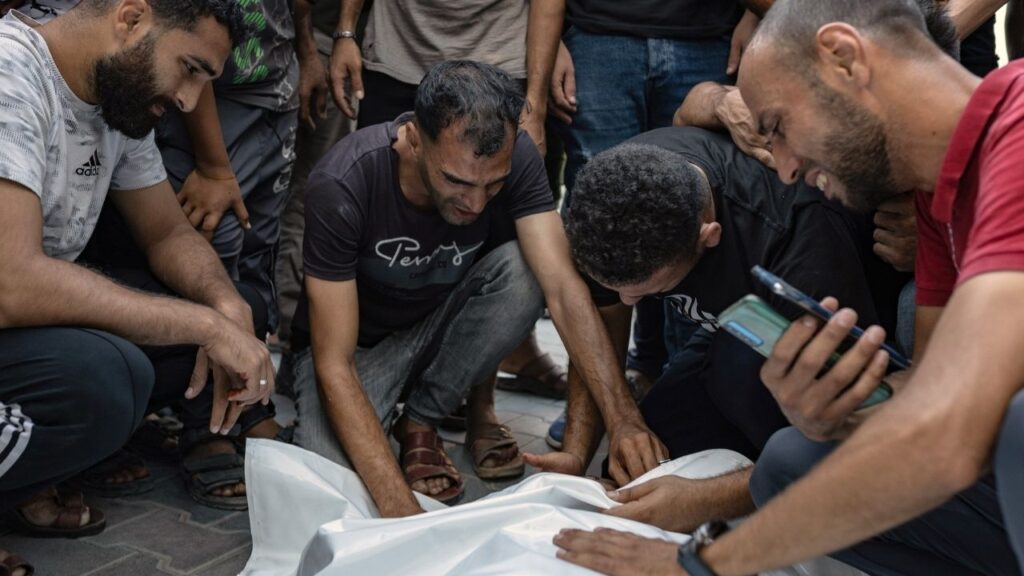
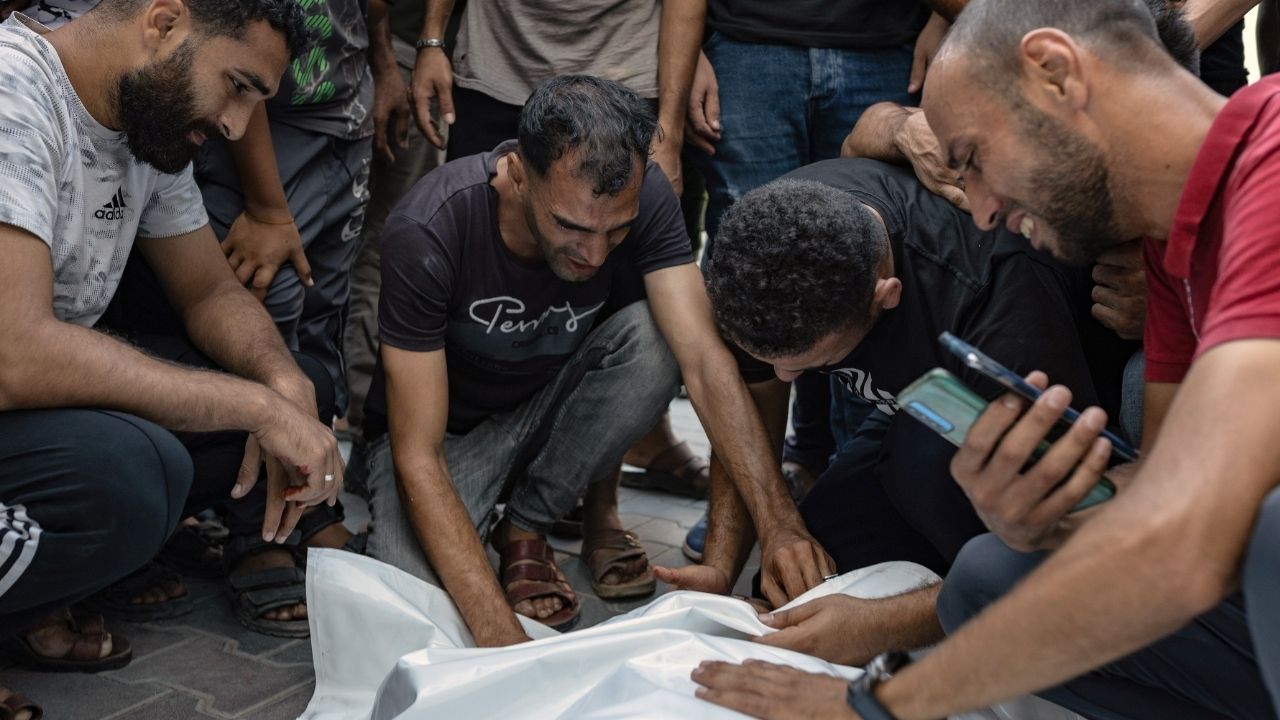
This month, senior Board of Peace officials, including Jared Kushner, Trump’s son-in-law, met with Netanyahu in Jerusalem in an effort to curb Israeli attacks in Gaza and advance the plan. But a day later, Israel carried out a strike on a seaside cafe in Gaza City, killing at least seven people, including a child. The Israeli military said it had targeted Hamas commanders.
Analysts say that Netanyahu’s rejection of the deal is political. He is up for reelection at the end of October, and many in his voter base believe Israel should intensify its strikes against Hamas, not wind them down.
In Gaza, many fear that a lasting end to the war is no longer on the horizon. “We are afraid to walk through what remains of the streets because Israel might strike,” said Nidal Kuhail, 32, a resident of Gaza City who helps support his parents and five sisters. “I was more hopeful before, and now many of us are pessimistic again,” he added.
In his speech in New York, Mladenov warned that “the distance between what has been signed and what is happening on the ground” poses a risk to the ceasefire and the disarmament plan. He added that while the number of casualties in Gaza had “fallen sharply” since the ceasefire, Israeli strikes continued to kill people.
“A ceasefire under which civilians are still buried is not yet one the people of Gaza can feel,” he said.
—
This article originally appeared in The New York Times.
By Natan Odenheimer/Saher Alghorra
c. 2026 The New York Times Company