
SAN FRANCISCO — Immigration and Customs Enforcement has prohibited its employees from wearing Meta’s smart glasses, the latest workplace to ban the devices out of privacy concerns.
In a memo about the policy Tuesday, ICE said it considered the glasses, which can discreetly record video and audio, as a body-worn camera. As a result, “the use of Meta Glasses or similar devices could unintentionally capture, record, or transmit sensitive information, potentially compromising privacy and legal protections,” David Venturella, the agency’s acting director, wrote in the memo.
Under the policy, ICE said employees are barred from wearing the Meta glasses in the “federal workspace.” The policy applies to all employees, not just its law enforcement officials, the agency said.

“Personally owned body-worn cameras and unauthorized recording are prohibited, as they always have been,” a spokesperson for the Department of Homeland Security said in a statement.
Meta declined to comment.
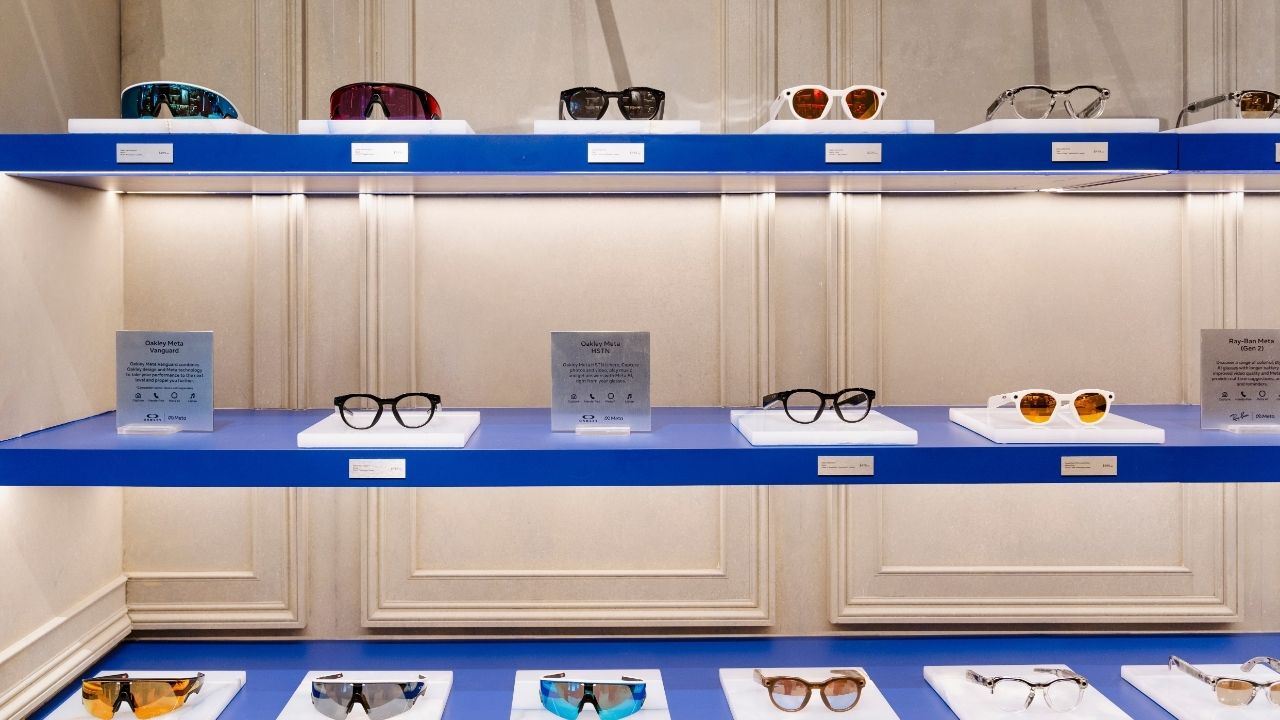
ICE joins a growing number of organizations and workplaces to ban Meta’s smart glasses, which have become one of the company’s bestselling hardware products, even as they have raised privacy and surveillance concerns. Meta debuted the smart glasses in 2021, and has released versions in partnership with companies such as Ray-Ban and Oakley.
The glasses feature a small camera above the eye frame that can record video and audio, and they emit a blinking white light while recording. New versions have an artificial intelligence assistant that can respond to voice commands and project a tiny screen visible to the wearer in the corner of the eye frame.
Last month, New York became the first state to ban Meta’s smart glasses in its court buildings to “ensure that no one can be recorded surreptitiously.” Some retail stores and restaurants have also forbidden the devices, which have spawned an industry of content creators who film inside businesses, often without permission.
ICE does not have a partnership with Meta, but its agents have come under fire in the past year for wearing the company’s smart glasses to protests and during immigration raids. ICE initially told employees the glasses were banned in June, according to an internal email obtained by The New York Times.
In Homeland Security’s budget proposal in April, the agency requested $7.5 million to develop its own smart glasses prototype to help with immigration enforcement, including glasses that can “enable biometric identification of illegal aliens.”
The Times previously reported that Meta was working on adding facial recognition features to its smart glasses; the company has not made those features available. Privacy groups have raised concerns about facial recognition. In April, the American Civil Liberties Union wrote a letter signed by 77 organizations asking that Meta not include facial recognition in its glasses out of privacy and civil liberty concerns.
“Facial recognition technology built into inconspicuous consumer eyewear represents a serious threat to privacy and civil liberties for every member of our society,” the organization wrote. “Our concerns reflect the fundamental danger of the technology itself.”
The glasses have become a focal point of Meta’s AI ambitions. Mark Zuckerberg, the company’s CEO, has called smart glasses “the ideal form of superintelligence,” a powerful AI that the company is investing hundreds of billions to develop.
Meta, which owns Facebook, Instagram and WhatsApp, has heavily marketed new versions of its smart glasses, including with celebrities like Kylie Jenner and athletes who played in the World Cup.
—
This article originally appeared in The New York Times.
By Eli Tan and Hamed Aleaziz/Lucia Vazquez
c. 2026 The New York Times Company