

|
Getting your Trinity Audio player ready...
|
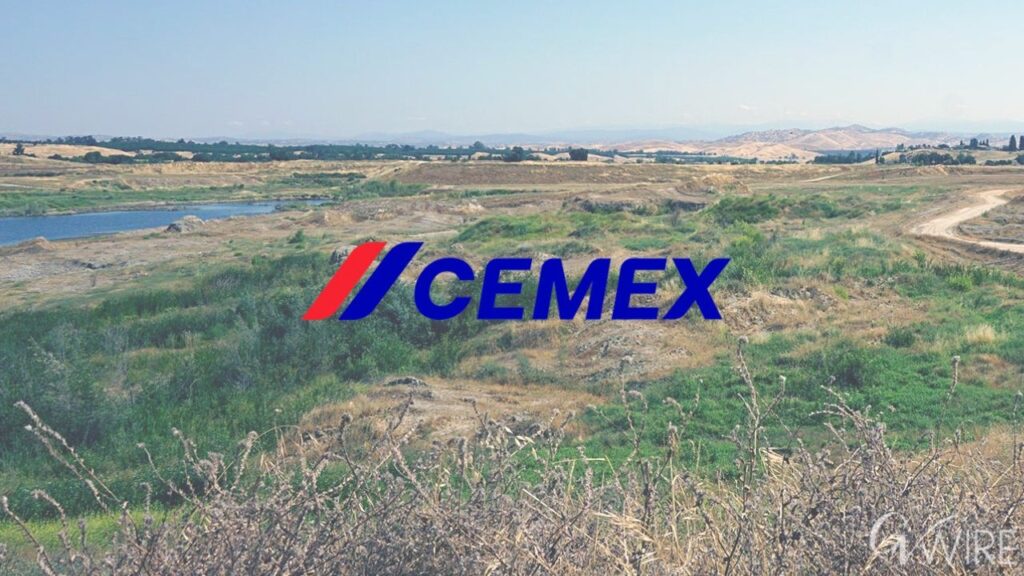
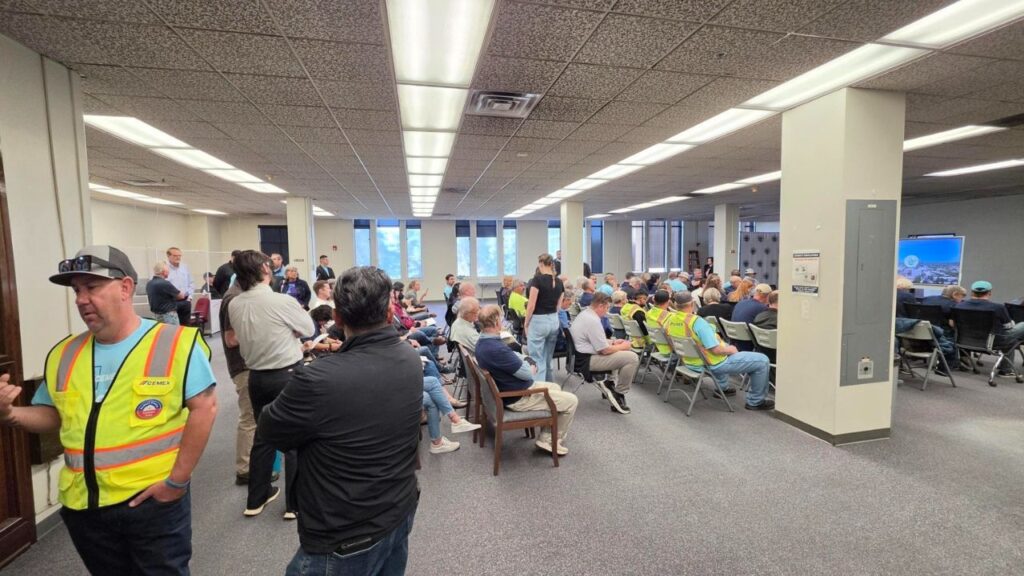
Fresno County supervisors voted 3-2 Thursday to approve Cemex’s plan to dig a deeper mine along the San Joaquin River during a special meeting that drew hundreds of supporters and opponents.
Supervisors Brian Pacheco and Luis Chavez opposed the plan. Supervisors Nathan Magsig, Buddy Mendes, and Garry Bredefeld supported it.
The approved proposal reduces the company’s original request for a 100-year operation reaching 600 feet deep to a 63-year operation with a maximum depth of 300 feet.

It also includes environmental protections for nesting birds and Chinook salmon following an October objection letter from the California Department of Fish and Wildlife.
Pacheco said he could not support allowing hard rock drilling at the site for that long. Magsig said the county could balance environmental needs with demand for construction materials.
Bredefeld, the board chair, said the county needs to encourage projects in the area as the city of Fresno turns down growth proposals.
“If we shut down the plant, the need for materials is not going to go away,” Bredefeld said.
Litigation Could Follow: Weaver
Sharon Weaver, executive director of the San Joaquin River Parkway & Conservation Trust, said she was disappointed with the decision, especially after supervisors raised concerns about effects to roads. She said blasting would be a completely new factor to the river.
Weaver said mitigation needed to go beyond just monitoring and reporting. Attorney Pat Mitchell, representing Cemex, said at the meeting that blast size depends on location within the site. Explosions closer to homes would be smaller. The county would allow up to 20 seconds worth of blasting per week, divided to two blasts a day that last one to two seconds.
She said in addition to the blasting, drilling to make blast holes would impact the area with noise and vibrations.
“It’s not just the blasting itself, because blasting has impacts,” Weaver said. “Preparation for blasting requires drilling and it’s actually the drilling equipment, the noise from the drilling… that is also very significant.”
The Parkway Trust’s board would have a discussion about next steps, which could include litigation, Weaver said.
The plan could conflict with a newly approved nearly 1,000-acre plan to develop Friant Ranch, bringing hundreds of homes to an area nearly adjacent to the site, she said.
“I’m not sure how (supervisors) came to the belief that those two uses are compatible,” Weaver said.
Supporters Say Aggregate Is Critical to Construction
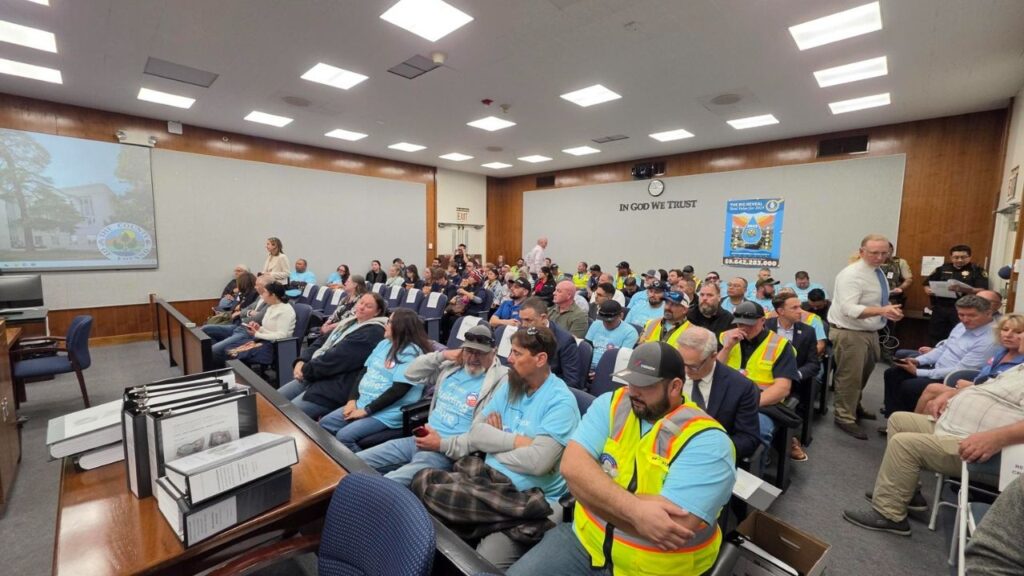
In a largely civil public discussion at Thursday’s special Fresno County Board of Supervisors meeting, supporters and opponents each had 60 speakers prepared to make their case.
With about 10 years of material remaining at the site, Pat Mitchell, an attorney representing Mexico-based Cemex, said the company’s proposal to dig a 300-foot-deep quarry over the next 63 years would provide necessary construction materials and high-paying jobs. The current pit is about 60 feet deep.
Labor groups, workers, two geological experts, and business representatives echoed that support.
Truck drivers said keeping Cemex operating would help keep prices “honest” and materials closer to job sites, reducing greenhouse gas emissions and road damage.
Wyatt Meadows, district representative for Operating Engineers Local 3, said losing the available aggregate would cause chaos in the construction industry and jeopardize high-paying construction and mining jobs.
Kristle Garton, vice president of operations for the Building Industry Association of Fresno/Madera Counties, said keeping the site available would help meet anticipated construction growth of 20% in the coming year.
Mitchell said the plan includes numerous environmental protections and noted that mining has occurred at the site for more than a century. Former plant manager Pete LoCastro said the company has had no environmental violations at the Rockfield site.
Granville Homes CEO Darius Assemi said rejecting the expansion would force construction companies to haul aggregate from farther away, increasing diesel consumption and truck traffic.
“If this quarry doesn’t get expanded, aggregate has to come from someplace and it’s going to come 20 miles away,” Assemi said. “That will use 400,000 gallons of additional diesel every year, 4.3 million metric tons of greenhouse gasses every year, 2.3 million additional miles of heavy truck traffic.”
(Darius Assemi is the publisher of GV Wire)
Opponents Warn of Extensive Environmental Impacts
Hundreds of opponents attended, saying they did not want the San Joaquin River disrupted and arguing that the environmental study failed to address potential changes to the river.
They included biologists, recreational users, tribal groups, nearby residents, environmental representatives, medical officials, and a state official.
Opponents said the river should not be viewed as an industrial resource. They argued that blasting and a deeper quarry could affect the river in unknown ways as restoration efforts bring back long-absent species such as Chinook salmon.
Some said contaminants, including lead and arsenic detected at the plant, could leach into the river during flood years.
Fresno’s Public Works Department raised concerns that the project could affect groundwater supplies and that trucks would damage Friant Road and other city streets.
Weaver said Cemex has a history of damaging other California waterways.
One resident said the potential impacts would be irreversible.
“There’s no compromise that includes blasting hardrock at the river that would be acceptable,” he said.
Dr. John Telles, who said he has practiced cardiology in Fresno County for 50 years, urged county supervisors to protect public health. He said Fresno County residents can expect to live 10 fewer years than those in another California county and are twice as likely to die from cardiac arrest.
“Government can help by protecting places where people can walk, exercise, and enjoy nature,” he said.
State Raises Ecological and Legal Objections
Julie Vance, regional manager for the California Department of Fish and Wildlife, raised ecological and legal objections to the project.
The department purchased about 14 acres at Ball Ranch near the site in 1991. Under an agreement, Cemex was supposed to stop mining and restore that land to its original condition, Vance said.
That never happened, she said.
“Encroachment has grown over time,” Vance said.
He said the department was not consulted until October. At that point, it gave Cemex two options: abandon operations near the ranch or offer a land swap.
Mitchell said the encroachment predates the department’s purchase and covers only about an acre. He said Cemex is actively working on a land swap deal to meet the department’s demands outlined in a letter.
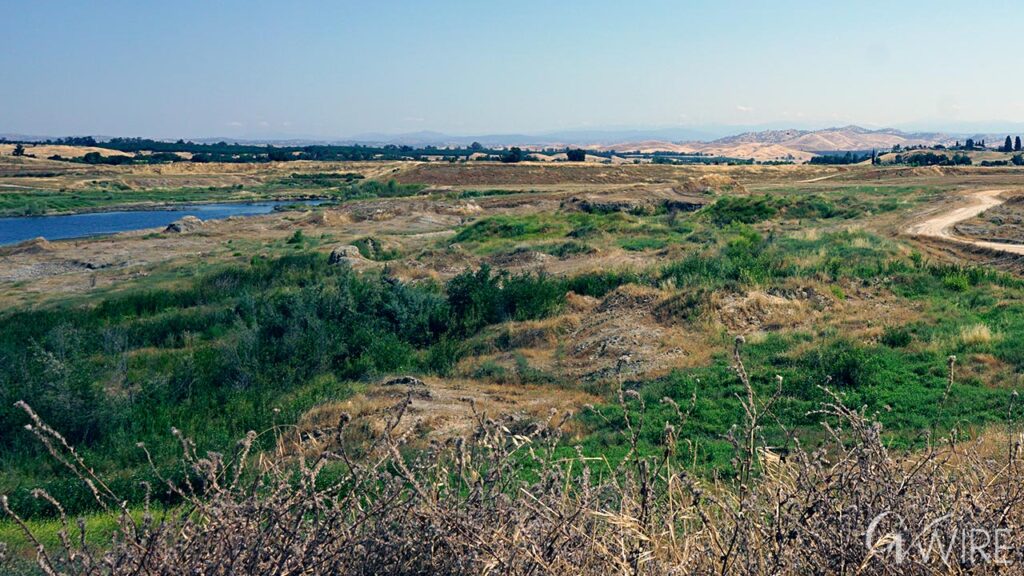
While mining has occurred at the site for more than a century, Vance said hard rock mining would be new to the river and could cause damage that is “catastrophic and irreparable.”
She said the plan does not adequately address potential changes to river flows that could affect salmon and nesting birds. Salmon spawn next to the mine site, she said.
“The impacts are unknown.”
Chavez called the department’s opposition letter the most “objective” of the letters received. He said Cemex “dropped the ball” by not engaging with the department earlier.
Mitchell acknowledged that the company should have engaged the state sooner. He said the company would agree to monitor pumps for salmon intrusion and raptor nests for impacts from blasting.
He said blasting would be reduced depending on where it is in relation to the site. He said blasting stay four times below levels that an Alaskan Department of Fish and Wildlife study shows would affect salmon spawning.
What Would the Plan Do?
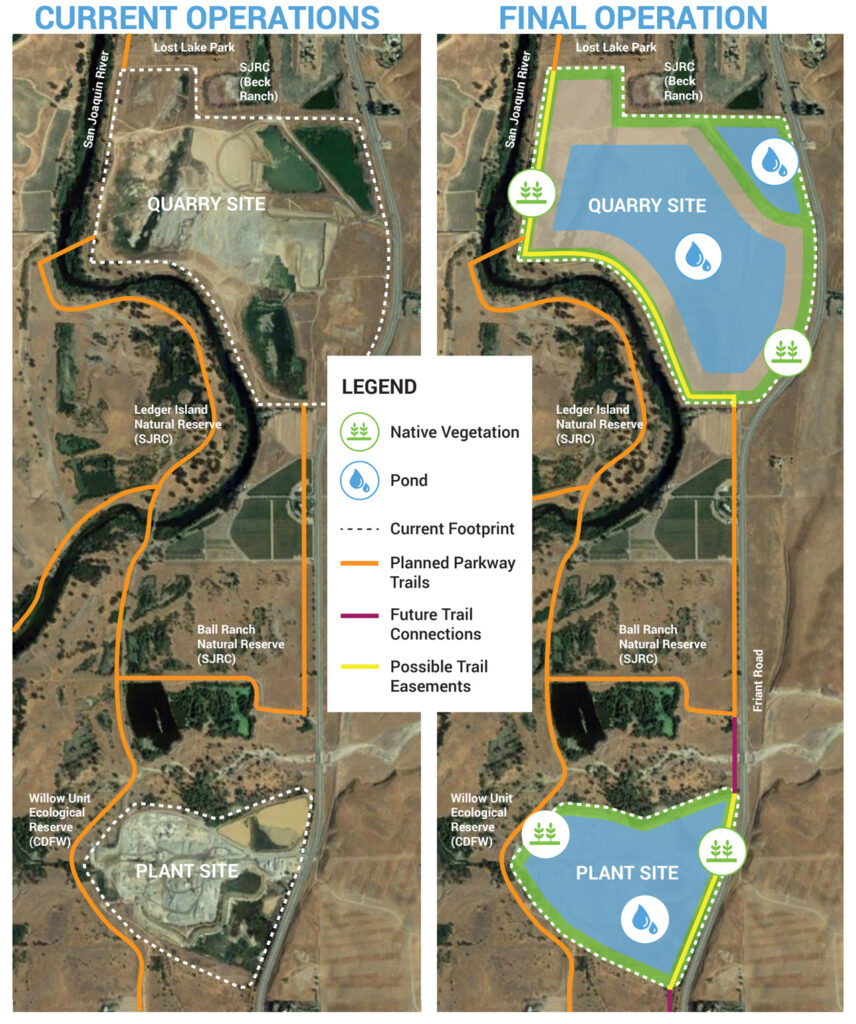
The revised proposal reduces Cemex’s original request for a 100-year operation reaching 600 feet deep to a maximum depth of 300 feet over a “hard” 63-year lifespan, said Bruce Steubing, a principal with Benchmark Resources.
Mitchell said deepening the existing quarry is the best option for continuing to provide construction materials to the area rather than developing a new site.
He said the revised proposal reduces two unavoidable impacts: effects on views and groundwater.
Some nearby residents would be able to see the quarry walls, which could be stained to better match the surrounding landscape, Mitchell said. From the river or at ground level, he said, the quarry would be unnoticeable.
Mining could also lower groundwater levels, which opponents said could change flood patterns near the river.
Five nearby wells could be affected, but the reduced proposal and groundwater recharge efforts would lessen those impacts, project representatives said.
Steubing said the plan establishes groundwater thresholds that would require Cemex to stop operations until water levels return to acceptable levels.
Vance disputed the environmental study’s assertion that no water diversion would occur, saying no diversion plan had been submitted to the state.
She said unscreened diversions could affect young salmon, potentially threatening the fish’s return to the river.
“This is especially exciting considering the downward trend of salmon populations in other areas,” the department said of the salmon’s return.
Vance also said the western spadefoot, which she described as an endangered amphibian, lives near the site and that the proposed capture-and-relocation approach would be insufficient.
Mitchell said the company has wildlife protection plans in place.
Blasting Is a Major Sticking Point
Blasting emerged as a major concern for opponents.
Weaver said blasting would be new to the area and could disrupt the river’s ecosystem in unknown ways. Other opponents raised concerns about birds, wildlife, and the salmon that have returned in recent years.
Cemex representatives said blasting would occur only twice a week between 10 a.m. and 2 p.m. Some residents countered that many people work from home or work night shifts and sleep during the day.
A Cemex worker who spoke with GV Wire said blasting regularly occurs throughout the foothills, including near Table Mountain. The worker said the explosions last only a few seconds and are quieter and cause less vibration than a jackhammer.
Studies estimated that the greatest impacts from blasting would occur within a roughly 500-foot radius, extending beyond the approximately 300-foot setback from the river.
Supervisors Question Road Impacts
Supervisors Chavez, Nathan Magsig, and Garry Bredefeld pressed company representatives about traffic impacts.
Bredefeld, who has represented the area as both a supervisor and a Fresno City Council member, said trucks traveling to and from the site disrupt traffic and damage roads.
Mitchell said Cemex pays traffic impact fees and would contribute an additional 5 cents per ton of material to the county for roads, totaling about $150,000 annually. He agreed to a later deal proposed by Bredefeld to increase that to 10 cents after several years.
Truck drivers said losing a nearby source of aggregate would increase road wear because materials would have to be hauled from farther away.
Does Fresno County Need More Aggregate?
Whether the region needs more aggregate was another point of debate.
A state forecast released earlier this year estimated that the Fresno region would need 227 million tons of aggregate over the next 50 years, compared with 530 million tons of permitted resources.
Environmental groups said those figures demonstrate that Cemex’s claimed benefits do not outweigh the potential harm to the river.
Fresno County supervisors also approved another mining site near Sanger earlier this year.
However, Antonio Avalos, chair of Fresno State’s economics department, said in written testimony that the state’s forecast does not adequately account for anticipated demand.
With Vulcan Materials and Martin Marietta also operating in the area, Mitchell said maintaining a third option would help keep costs down.
“If you don’t have Rockfield, you know where the next resources are, 20, 40 miles down the road,” Mitchell said.