
|
Getting your Trinity Audio player ready...
|
After a brief respite, the price of gas is back on the rise.
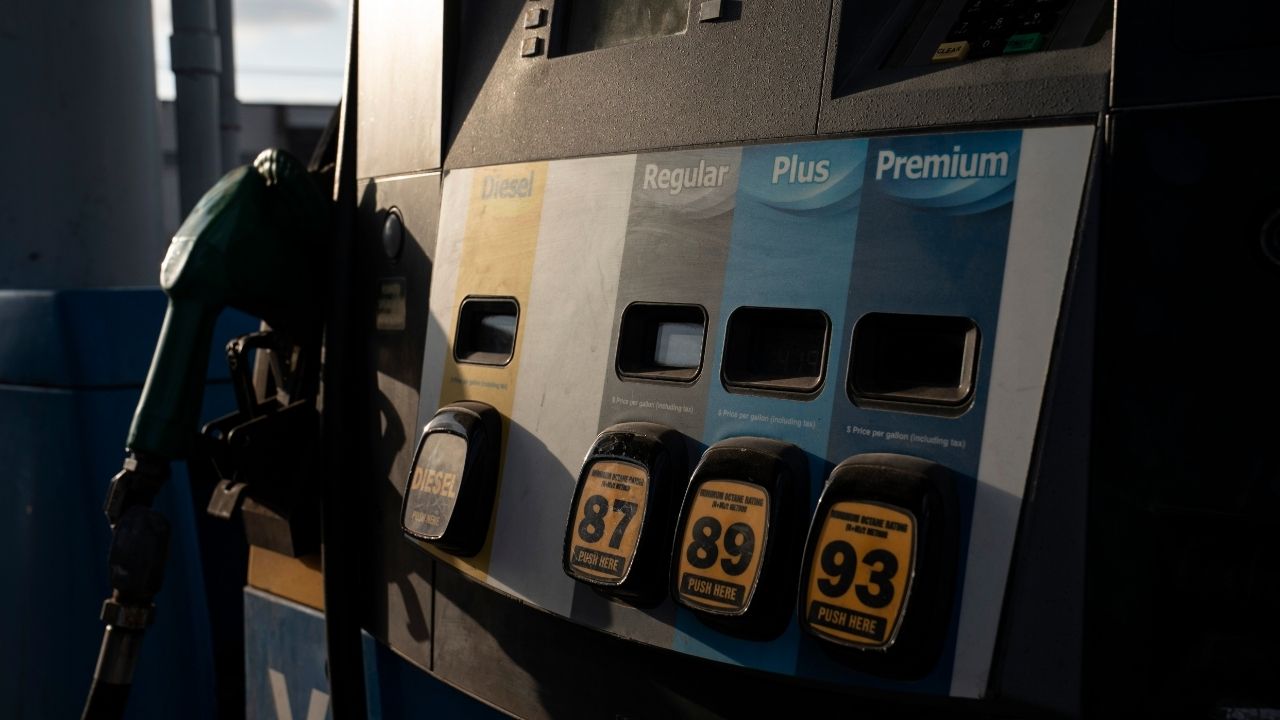
On Monday, the average price at the pump in the United States climbed to $4 a gallon, according to AAA motor club, as the war with Iran reignited, halting most shipping and pinching already-depleted global refineries.
The price has surged 13 cents higher from a week ago, when it averaged $3.87 across the country.

It’s a return to the elevated prices seen this spring. In March, shortly after the United States and Israel attacked Iran, gas prices in the United States hit an average of $4 a gallon for the first time since 2022, after Russia invaded Ukraine. Prices breached $4.50 in May before gradually dropping below the $4 threshold after the United States and Iran agreed to a tentative ceasefire.
The preliminary agreement did not hold, and the conflict has escalated once more, with the United States this week reinstating a naval blockade on Iranian ports in the Strait of Hormuz, a vital waterway for oil and gas transport. The blockade and the strikes in the area have all but halted shipping, pushing up energy prices.
Brent crude, the international benchmark for oil, rose above $90 a barrel Monday, the highest in over a month. West Texas Intermediate, the U.S. benchmark, was $82 a barrel.
On Thursday, the average price of diesel rose above $5 a gallon, up 33% since the start of the war. On Monday, diesel was $5.11 a gallon, up about 23 cents from a week earlier.
The national average price does not reflect the wide range of prices across the country. Prices in many Southern states, for instance, are closer to $3.60 a gallon, while they’re around $5.50 a gallon in California.
The price increases represent a conundrum for President Donald Trump as the country nears the November midterm elections, which are likely to be a critical referendum on his performance. Economic anxiety is top of mind for many voters.
The White House lauded economic data released last week showing that consumer prices had dipped in June, though they were still up 3.5% from the same time last year. Trump told reporters in the Oval Office: “Prices are coming way down, and we’re doing a great job. And remember that for the midterms.”
But July appears to be delivering the opposite. There are several factors playing into price pressures, beyond the increase in oil costs as a result of the war in the Middle East. Many refineries in the United States that turn oil into different types of fuel are running at high capacities with low inventory. And there is elevated demand for gas with summer travel.
—
This article originally appeared in The New York Times.
By Katie Robertson/Gabriel V. Cardenas
c. 2026 The New York Times Company