


|
Getting your Trinity Audio player ready...
|
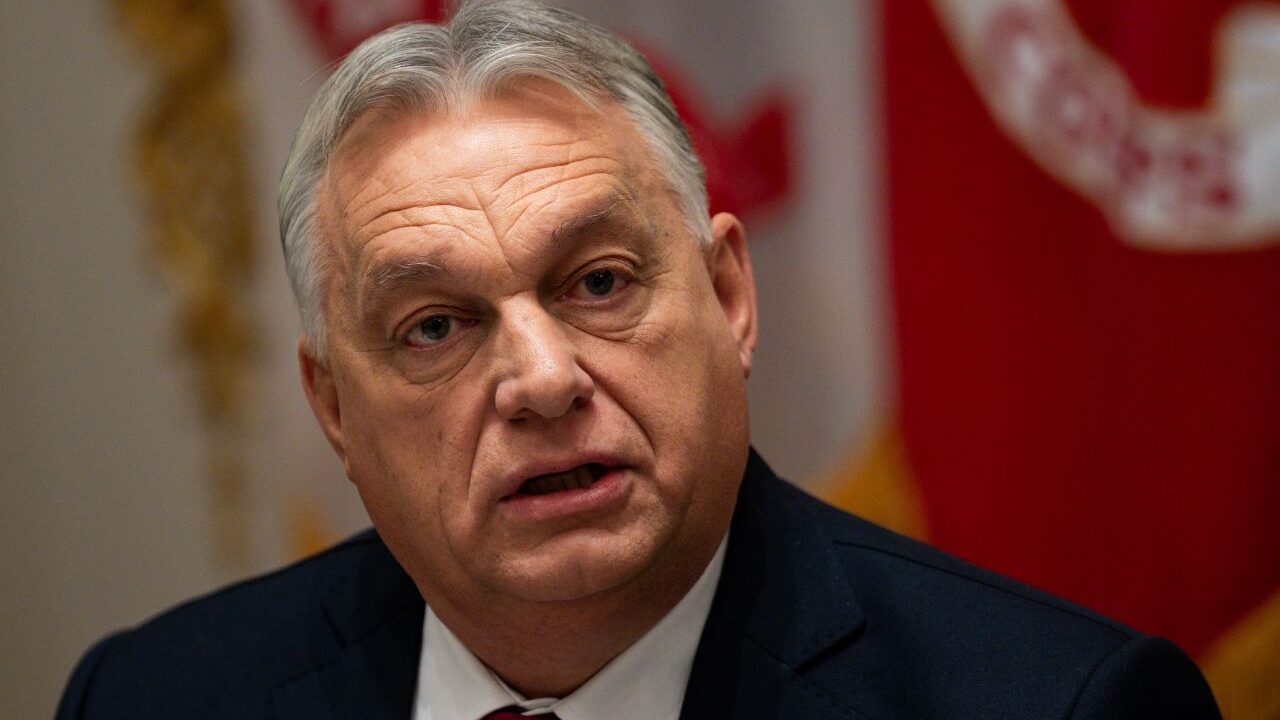
BUDAPEST, Hungary — Hungary’s parliament on Monday approved a measure that would oust the country’s president, a highly unusual and contested move to dismantle the political order constructed by the country’s former leader, Viktor Orban, by getting rid of his loyalists.
Some legal scholars and human rights groups outside Hungary have raised concerns about the purge, and Orban’s supporters have denounced it as a sign of a coming dictatorship. But Hungary’s new government says the removal of the president, whose term runs until 2029, was a necessary step after 16 years of Orban’s strongman rule.
Prime Minister Peter Magyar, whose Tisza party handed a humiliating defeat to Orban’s party, Fidesz, in an April election, described the removal of the president, through a revision of the constitution, as an “important step to eliminate Orban’s economic and political mafia.”

Magyar has repeatedly called on the president, Tamas Sulyok, to step down, insisting that his party’s landslide victory gave him a mandate to remove “puppets” of Orban’s system. Sulyok was selected for the presidency by the previous Fidesz-controlled parliament.
For the president’s removal to take effect, the law amending the constitution must be signed by Sulyok. Since he is unlikely to do that, analysts and diplomats say Hungary could face a constitutional crisis.
Magyar, rebuffed by the president and Fidesz, which has held small street protests in defense of Sulyok, rushed constitutional amendments through parliament. He is trying to accelerate what he calls “Operation Cleansing Fire,” a drive to end the former governing party’s long grip on Hungarian politics, the judiciary, state-run media and nominally independent government agencies.
Hungary’s main state television news channel, M1, temporarily halted transmission last week, displaying a contrite message addressing its previous role as propaganda bullhorn for Fidesz: “Public media should not lie. We are sorry for doing it for so long.”
The amendments approved on Monday also set term limits for members of parliament; that would hit Fidesz hard, as many of its legislators have served multiple terms.
The amendments also restore a mandatory retirement age of 70, which Fidesz eliminated in 2011, for judges on the country’s Constitutional Court. The court is currently stacked with loyalists of the former governing party, and its president will turn 71 this year.
Magyar’s party secured a supermajority in parliament in April, which has allowed it to push through constitutional amendments with ease.
—
This article originally appeared in The New York Times.
By Andrew Higgins/Tierney L. Cross
c. 2026 The New York Times Company