
|
Getting your Trinity Audio player ready...
|
The U.S.-Iran truce that has been on shaky ground for weeks appeared to edge closer to collapse Wednesday after the two sides traded new attacks and President Donald Trump said he considered the deal to be over.
Speaking at the NATO summit in Ankara, Turkey, Trump struck a belligerent tone amid the seemingly unyielding cycle of attacks and counterattacks, threatening to hit Iran again “hard” and floating the possibility of reinstating the U.S. Navy’s blockade on Iranian ports.
The overnight hostilities and pessimistic rhetoric followed weeks of brewing tension over shipping access through the Strait of Hormuz and occasional strikes.

In response to a question about the state of the nominal ceasefire, Trump had earlier responded: “To me, I think it’s over.” Trump also disparaged Iran’s leadership as “cuckoo,” even as he added that he was open to further talks. Soon after, the price of oil jumped to its highest level in weeks.
Earlier Wednesday, Iran’s armed forces said they had attacked U.S. military sites in Bahrain and Kuwait. Before those attacks, the United States carried out airstrikes against several targets in Iran and reimposed sanctions on Iranian oil sales.
The preliminary U.S.-Iran agreement to cease hostilities, which was signed more than three weeks ago, was intended to reopen the Strait of Hormuz, a vital oil and gas shipping route, and allow more negotiations toward permanently ending the monthslong war.
As the countries have continued to exchange intermittent strikes, the United States has accused Iran of not adhering to its commitment to reopen the waterway. Iran has shown a consistent unwillingness to bend to the U.S. demands, insisting that it maintain control over the strait.
The Pentagon said its earlier strikes were in response to Iranian attacks on three commercial ships in the Strait of Hormuz. Iran has not claimed responsibility for the attacks.
The central command of Iran’s military called the U.S. strikes in Iran’s south an “overt act of aggression.” In remarks carried on Iranian state media Wednesday, it also warned the United States against interfering in Iran’s management of the strait.
Hours later, Iran’s Revolutionary Guard said it had targeted 85 U.S. military sites in Bahrain and Kuwait. The Iranian military also shot down a U.S. MQ-9 drone in the attack, the Guard said in a statement published in state media.
Mohammad Bagher Ghalibaf, Iran’s top negotiator and the speaker of its parliament, on Wednesday accused the United States of major violations of the preliminary accord.
Negotiations between Iran and the United States had been paused until after the dayslong funeral ceremonies for Ayatollah Ali Khamenei, the supreme leader who was killed on the first day of the U.S.-Israeli attack on Iran.
Here’s What Else to Know:
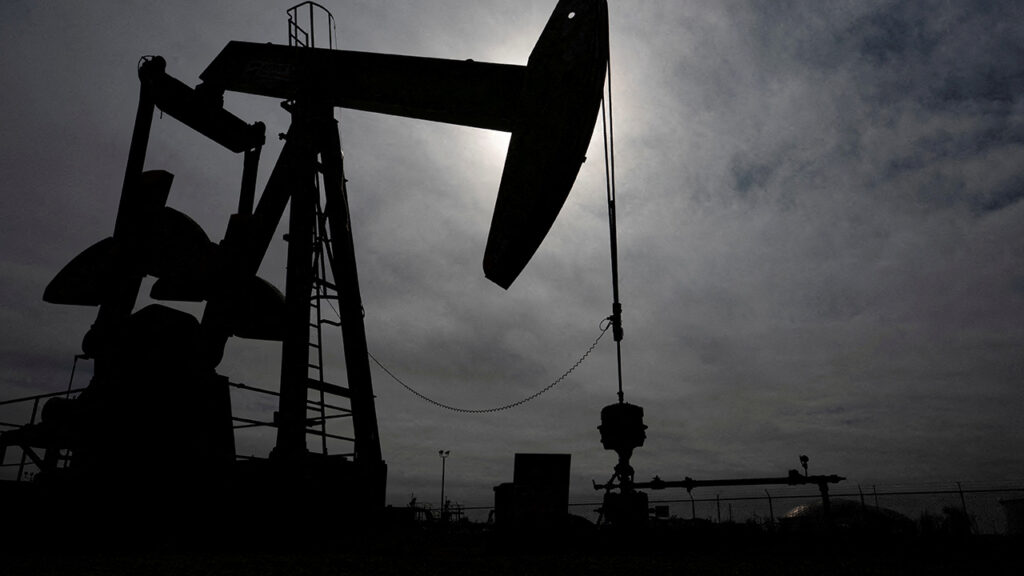
— Energy prices: The price of oil rose 6% after Trump cast doubt on the ceasefire deal, to above $78 a barrel, its highest level in more than two weeks. That is down from its peak during the worst of the fighting but above its prewar price of around $72 a barrel.
— Khamenei’s funeral: Iranian authorities projected an image of strength and unity at funeral processions for the supreme leader this week, offering an awkward juxtaposition against the backdrop of the renewed hostilities. The body of the supreme leader was taken Wednesday to Najaf, a holy Shiite city in Iraq.
— Strait of Hormuz: The uptick in violence is threatening to derail the fragile recovery of oil and gas shipments through the crucial waterway. On Wednesday, the International Maritime Organization warned ships against transiting the strait, citing the danger of further attacks.
—
This article originally appeared in The New York Times.
By Leo Sands, Eric Schmitt and Hari Raj/Emile Ducke
c. 2026 The New York Times Company