
|
Getting your Trinity Audio player ready...
|
One of the largest fertilizer companies in the world, the Mosaic Co., is losing money because a small amount of a specific ingredient is stuck in the Strait of Hormuz.
Mosaic makes phosphorus fertilizer, which contains sulfur and ammonia. The war in Iran has disrupted the world’s supply of sulfur, a fifth of which travels through the strait. The price Mosaic receives for 1 ton of fertilizer is about $800, and half that cost — before processing, shipping and labor — now goes just to acquiring sulfur.
“If we’re losing money every ton, the total losses can mount quickly,” Ben Pratt, Mosaic’s vice president of public affairs, said in an interview. Mosaic lost $258 million in its quarter ending March 30 and said it would slow production at some of its plants. Even as the United States and Iran reached a preliminary agreement Sunday to end the war that has roiled the region since March, it would take months for ship traffic and supply chains to return to normal, and years for destroyed energy and fertilizer infrastructure to be rebuilt.

A full reopening of the strait will eventually cause fertilizer prices to fall, but they will remain above their prewar levels for years to come, said Shawn Arita, an agricultural economist at North Dakota State University.
“The spike resolves with the Strait; the premium resolves with reconstruction, and that looks more like a 2028 story than a 2027 one,” he wrote in an email.
Mosaic, based in Tampa, Florida, gets most of its materials domestically, yet the sulfur it buys in the United States is priced similarly to what it costs elsewhere. Typically, companies raise prices to offset rising costs, but that’s a challenge for Mosaic. Row crop farmers, the biggest buyers of phosphorus fertilizer, are cutting back as they, too, face losses this year because of sagging demand for their yields, Pratt said.
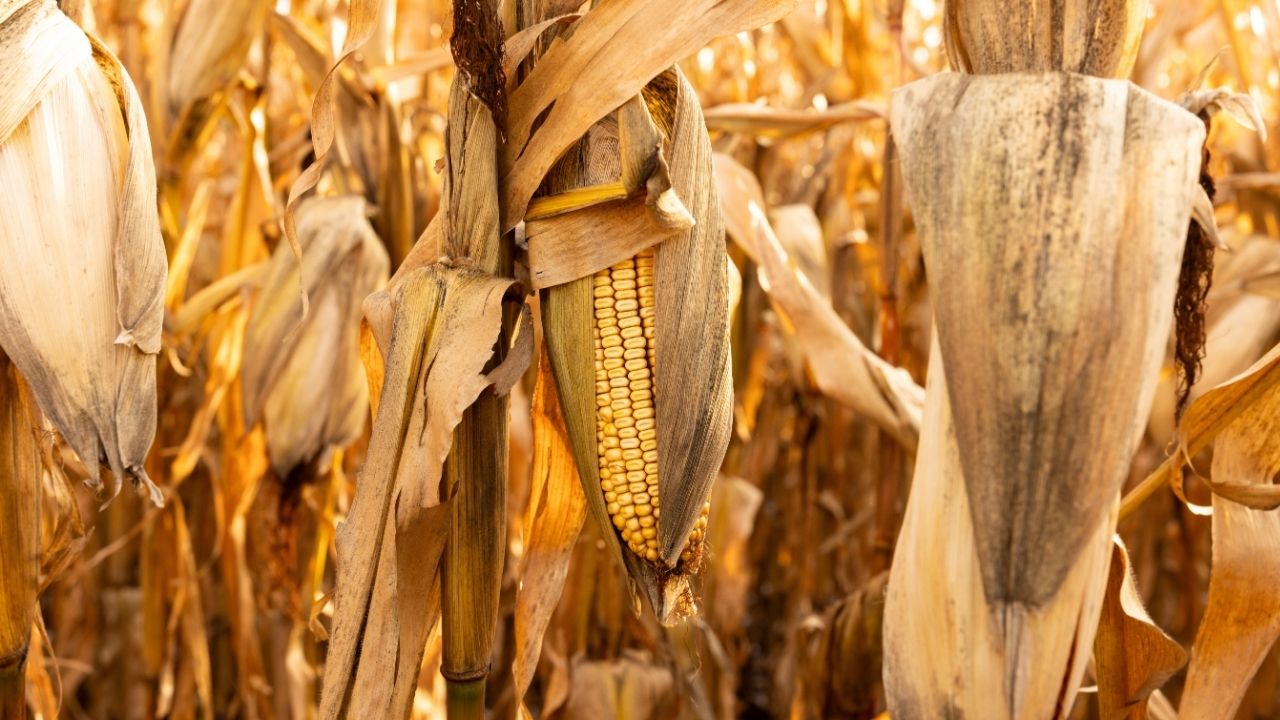
Fertilizer prices reached record highs in 2022, when the war in Ukraine and the lingering supply chain disruptions from the pandemic drove up prices. However, American farmers were better equipped to absorb the costs because they earned more for their crops. At the time, farmers received between $7 and $8 for each bushel of corn and $15 to $17 for a bushel of soybeans. Today, corn prices are around $4.50 per bushel and soybeans $11.50 per bushel.
Prices for both crops have fallen since the Iran war began, and with fertilizer costs going up, farmers are making less money.
Not all fertilizers are equal. Farmers of big row crops such as corn and wheat said nitrogen fertilizers were a must-have, no matter the cost. The use of phosphorous and potassium fertilizers are more situational, they said.
When it comes to nitrogen fertilizers, Iran and its neighbors are large exporters of two key components: urea and natural gas, which is used to create ammonia. Natural gas prices around the world have skyrocketed since the war with Iran began in February, but they have remained flat in the United States because the commodity is traded and priced regionally. The price for a ton of urea at the Port of New Orleans nearly doubled after the war began, though it has since fallen near prewar levels.
CF Industries is one of the biggest producers of nitrogen fertilizers in North America. What the company, based in Chicago, could charge for its fertilizer went up after the war began, because its foreign competitors raised prices.
CF Industries reported a profit of $615 million for the first quarter of 2026, nearly double the amount it earned in the same quarter last year.
“The conflict with Iran and the closure of the Strait of Hormuz introduced a significant supply shock into this already tight market,” Bert Frost, the company’s chief commercial officer, said on a May conference call with analysts. “Supply has been constrained by geopolitical conflicts, elevated natural gas prices in Europe, export restrictions and declining natural gas availability in several key producing regions.”
The Agriculture Department is trying to help farmers contend with rising fertilizer costs. The department is reviving a Biden-era program, the Fertilizer Product Expansion Program, that gave out hundreds of millions of dollars in grants to expand fertilizer production. The Trump administration has also waived import restrictions on Venezuelan fertilizer, reduced some permitting for new fertilizer plants and allowed foreign ships to move goods among U.S. ports.
“The importance of this work for our farmers has been a significant priority since Day 1 of the Trump administration,” Brooke Rollins, the agriculture secretary, said during a May news conference.
The USDA said it was helping CF Industries speed up construction of a new ammonia plant in Louisiana, but it’s not expected to be running until late 2029. CF Industries didn’t respond to requests for comment.
At the same time, at least 34 lawsuits have been filed by farmers against fertilizer companies, including Mosaic and CF Industries, in the past few months, broadly accusing them of conspiring to reduce competition. It was this conspiracy — and not market conditions — that led to high fertilizer prices, the lawsuits say.
Rollins said the USDA was in discussions with the antitrust division of the Justice Department about its ongoing investigation into the fertilizer market. The Federal Trade Commission recently confirmed that it was also investigating.
Mosaic declined to comment on the cases.
—
This article originally appeared in The New York Times.
By Kevin Draper/Tim Gruber
c. 2026 The New York Times Company