
|
Getting your Trinity Audio player ready...
|
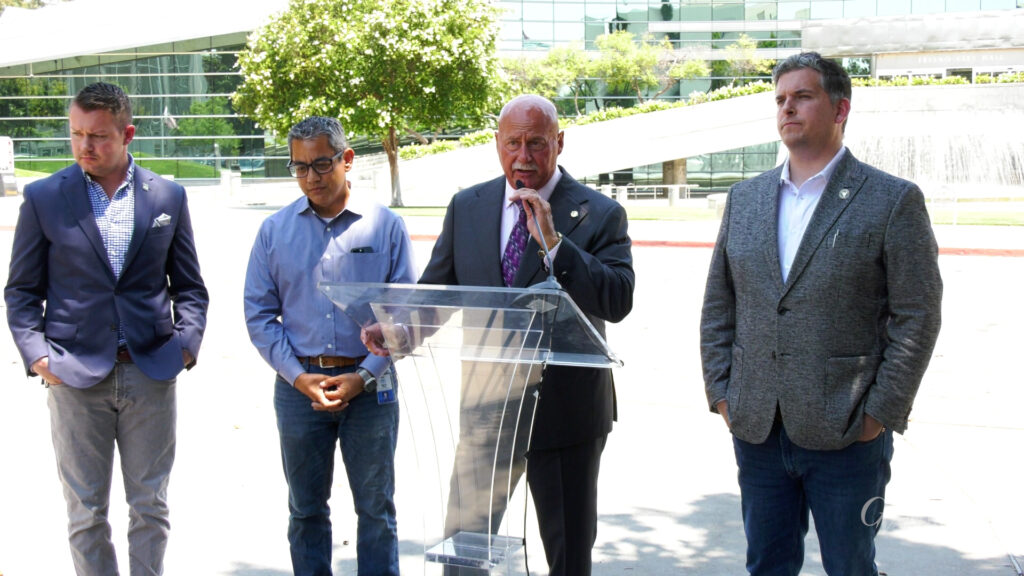
Samples of an unconfirmed infestation of the flesh-eating screwworm parasite on a cattle ranch in La Pryor, Texas, have been sent to a federal government lab in Iowa to be tested, Texas Representative Don McLaughlin said Wednesday.
The samples were taken from two calves on the same ranch on Tuesday, McLaughlin said, adding that he had seen photos and videos of the animals.
Widespread market chatter about the suspected case hung over cattle futures, which traders said have long been sensitive to threats of New World screwworm. The parasite has been moving north through Mexico for more than a year. Market players believe a screwworm infestation in the U.S. could reduce demand for beef from consumers nervous about the flesh-eating pest but would be bullish in the long term by reducing the U.S. cattle supply.

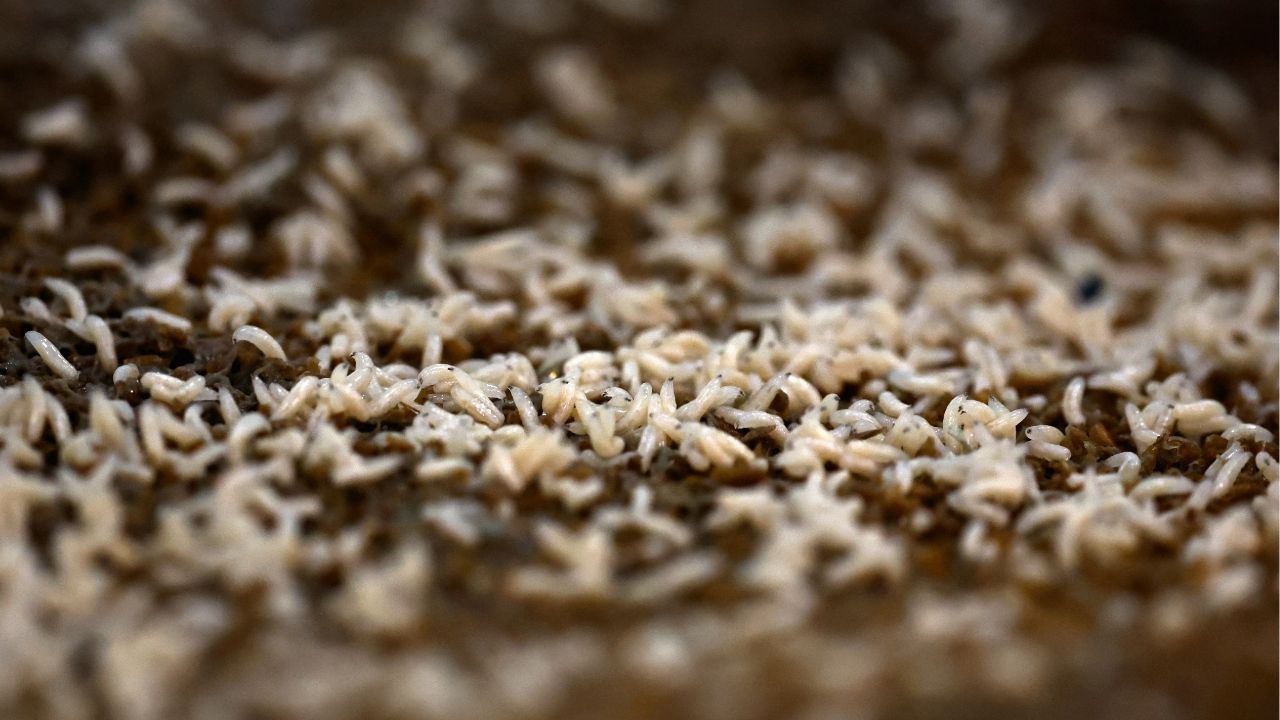
The photo, seen by Reuters, shows multiple larvae resembling the screwworm inside a bloody circular wound on an animal. McLaughlin said one of the suspected infestations was detected in an umbilical cord wound of a calf, though it was unclear if that was the case seen in the photo. Reuters could not immediately verify the photo.
“At this point, it’s unconfirmed that it’s the New World Screwworm,” McLaughlin said. “It looks like it, but it’s unconfirmed.”
The Texas Animal Health Commission told Reuters on Wednesday that there has been no confirmed case of New World screwworm in Texas. The U.S. Department of Agriculture, which is leading the screwworm prevention effort in the United States, did not immediately respond to a request for comment. “NWS is not currently present in the United States,” the agency’s website said Wednesday.
Screwworms are parasitic flies whose females lay eggs in wounds on any warm-blooded animal. Once the eggs hatch, hundreds of screwworm larvae use their sharp mouths to burrow through living flesh, eventually killing their host if left untreated. An outbreak of screwworm in the U.S. could cause $1.8 billion in damage to Texas’ economy alone and would likely raise U.S. beef prices by shrinking the U.S. cattle supply, experts have said.
Earlier in the week the USDA said that McLaughlin, who had said that a case was confirmed one mile south of the Texas border, had inaccurate information. The USDA confirmed a case 25 miles south of the Texas border in Coahuila state on Tuesday.
Washington has kept its border closed to cattle imports for more than a year in an effort to prevent the destructive parasite from reaching U.S. border states. The United States has spent millions of dollars to slow its advance through Mexico, investing in sterile fly production facilities, expanding trapping efforts and increasing livestock surveillance.
(Reporting by Cassandra Garrison in Mexico City and Heather Schlitz and Tom Polansek in Chicago. Editing by Emily Schmall and Deepa Babington)