
|
Getting your Trinity Audio player ready...
|
Oil prices rose around 2% on Wednesday, extending gains from the previous session, as hostilities in the Middle East erupted anew and talks between Tehran and Washington showed little progress.
Brent futures were up $1.68, or 1.75%, at $97.68 a barrel at 1:02 p.m. ET (1702 GMT), while U.S. West Texas Intermediate crude climbed $1.99, or 2.12%, to $95.75.
Iran launched ballistic missiles toward regional neighbors Kuwait and Bahrain, killing one person and injuring dozens, according to Kuwaiti authorities and state media. U.S. forces conducted strikes on Iran’s Qeshm Island.

“The chances of a ceasefire seem to be deteriorating,” said Bob Yawger, director of energy futures at Mizuho. “That’s the wrong direction we are moving in.”
U.S. President Donald Trump has said negotiations are continuing, though Iran’s semi-official Tasnim news agency said on Wednesday that Iran had not responded to the U.S. in recent days and that exchanges of texts through intermediaries were suspended until Iran’s conditions on an end to fighting in Lebanon are met.
Israel is pursuing its deepest incursion into Lebanon in 25 years, in a conflict that has raged since March 2, when militant group Hezbollah opened fire in solidarity with Iran.
In a podcast interview released on Wednesday, Trump said Iran had agreed to not have a nuclear weapon and that Supreme Leader Ayatollah Mojtaba Khamenei was involved in negotiations.
Oil Flows Restricted
“Crude prices continue to solidify their upward trajectory as accelerating clashes between the United States and Iran outpace stagnant diplomatic efforts,” Simon-Peter Massabni, head of business development at XS.com, said in a note.
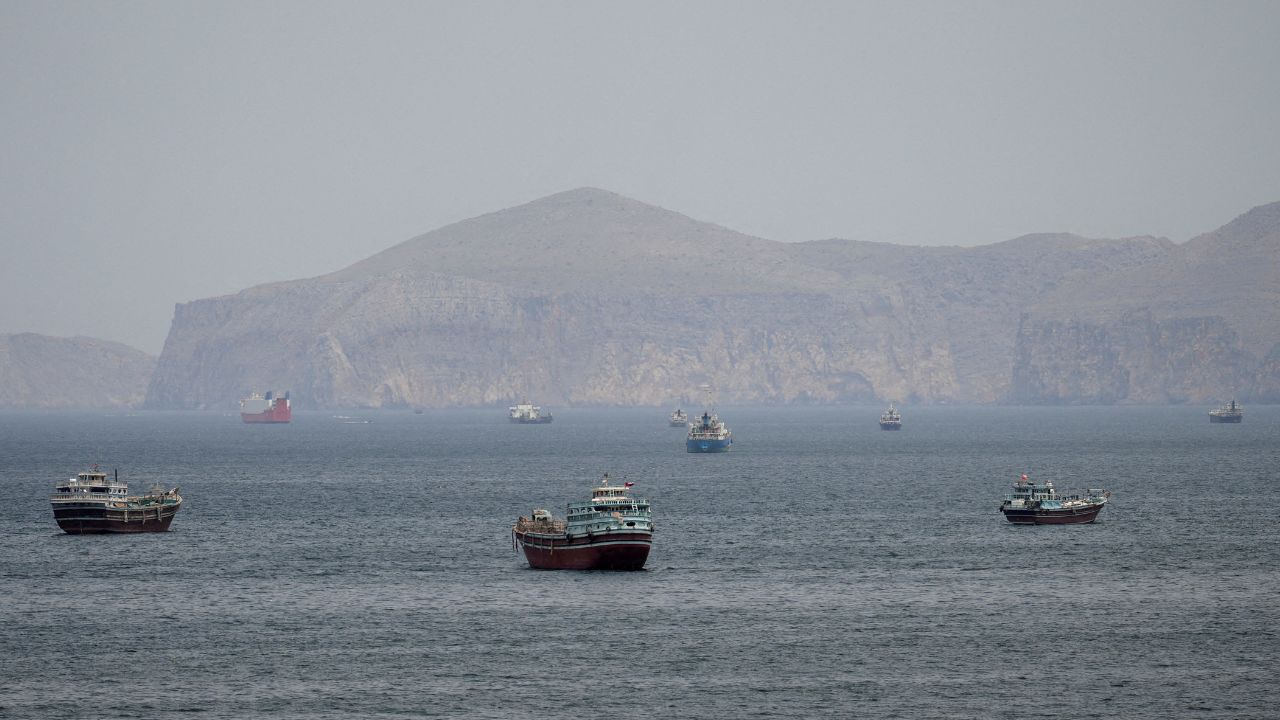
The prolonged closure of the Strait of Hormuz continues to bottleneck global energy supplies, driving sustained upward pressure on oil markets, he added.
The International Energy Agency’s warning that global oil inventories could hit critical levels ahead of peak summer demand if stock draws continue at their current pace added to the bullish sentiment.
“The stalling in the U.S.-Iran negotiations and IEA warnings of critical global low stock levels are adding upward layers in risk premium in benchmark prices,” said Emril Jamil, a senior analyst for oil at LSEG.
U.S. crude inventories fell on strong export and refining demand as the U.S.-Israeli war with Iran entered its fourth month.
U.S. crude stockpiles fell by 8 million barrels to 433.7 million barrels in the week ended May 29, the Energy Information Administration said on Wednesday. That compares with analysts’ expectations in a Reuters poll for a 4-million-barrel draw.
“Another large draw in U.S. crude inventories, driven by both a drop in commercial and strategic inventories,” said Giovanni Staunovo, analyst with UBS.
(Additional reporting by Shadia Nasralla and Stephanie Kelly in London, Nicole Jao in New York, Liz Hampton in Denver and Jeslyn Lerh in Singapore; Editing by Cynthia Osterman, Kevin Buckland, Tomasz Janowski, Nick Zieminski, Rod Nickel, Nia Williams)