
|
Getting your Trinity Audio player ready...
|
Tensions remained high between Iran and the United States on Tuesday, threatening to upend fragile diplomacy efforts as Iranian officials warned of retaliation after U.S. strikes overnight.
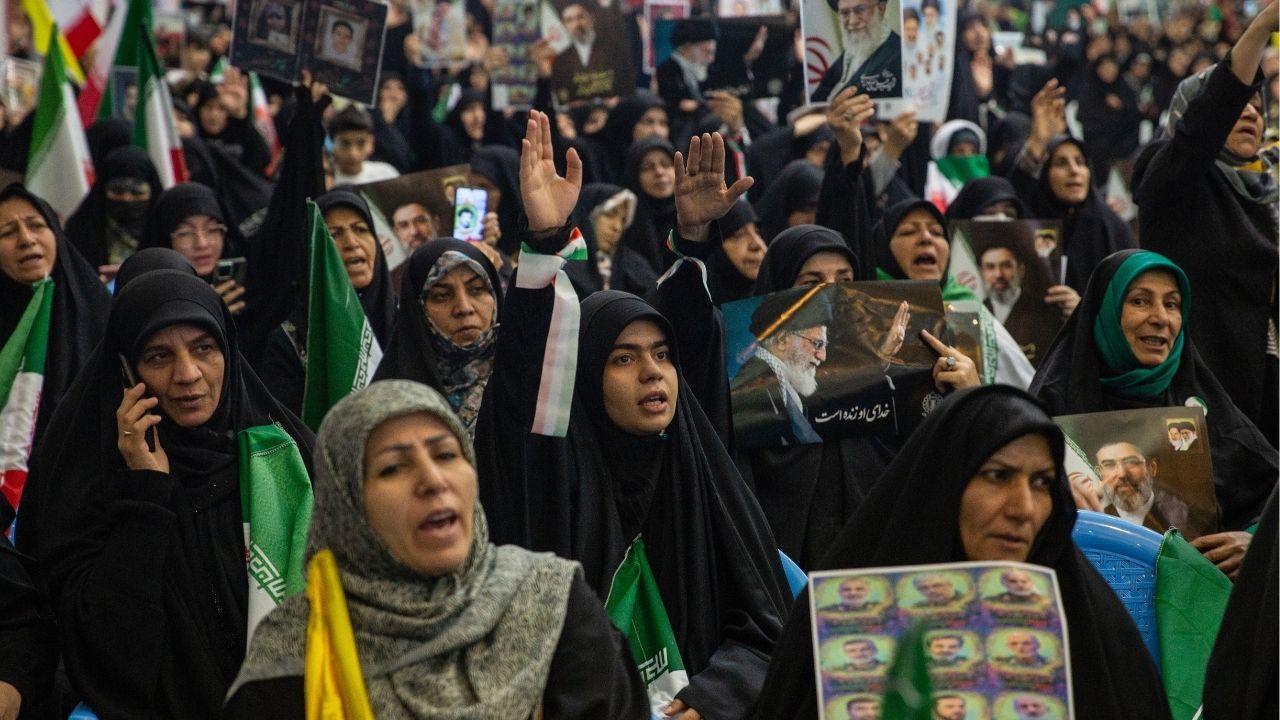
Iran’s supreme leader, Mojtaba Khamenei, said in a written statement Tuesday that the war with the United States had shown that U.S. military bases in the Middle East are no longer safe, while Iran’s Revolutionary Guard said it would respond forcefully to any U.S. strikes.
The comments were released hours after U.S. military forces conducted what U.S. Central Command said were “self-defense strikes” in southern Iran.

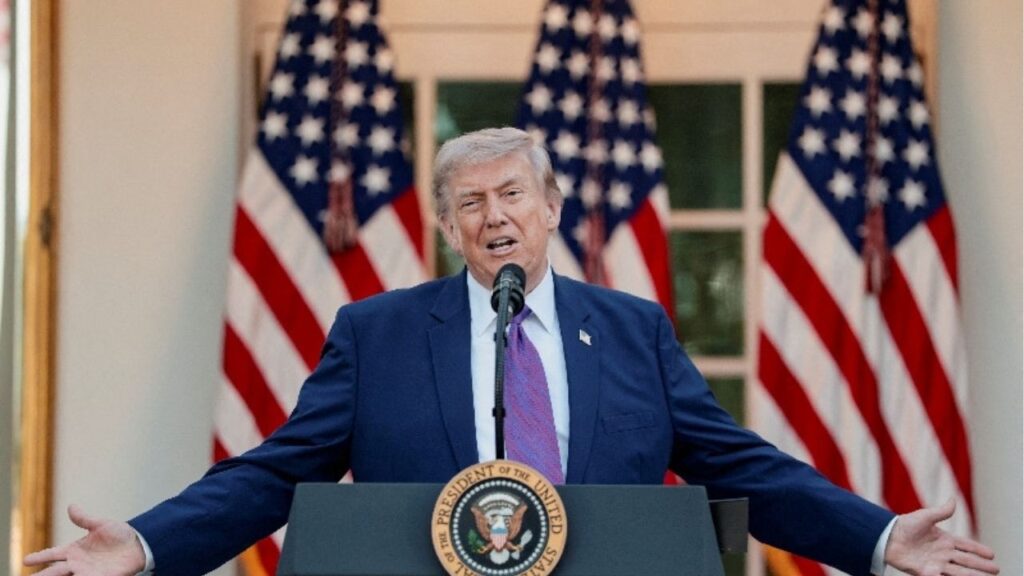
The hostilities have added to the uncertainty surrounding a potential peace deal, with President Donald Trump and his administration offering conflicting signals about the state of play. Secretary of State Marco Rubio on Tuesday said talks to end the war were continuing, and a deal could take “a few days.”
Iranian officials sought to project a position of strength, with Khamenei saying in a written statement that “the hands of time do not turn backward, and the nations and lands of the region will no longer serve as shields for American bases.”
During the war, Iran bombed U.S. bases across the Middle East in retaliation for U.S.-Israeli strikes, forcing many U.S. troops to relocate to hotels and office spaces, military personnel and U.S. officials said.
Khamenei, who succeeded his father after he was killed by U.S.-Israeli strikes on the opening day of the war in late February, also called for greater cooperation among Muslim countries in his statement, which marked the start of the Hajj pilgrimage, the annual Muslim pilgrimage to Mecca.
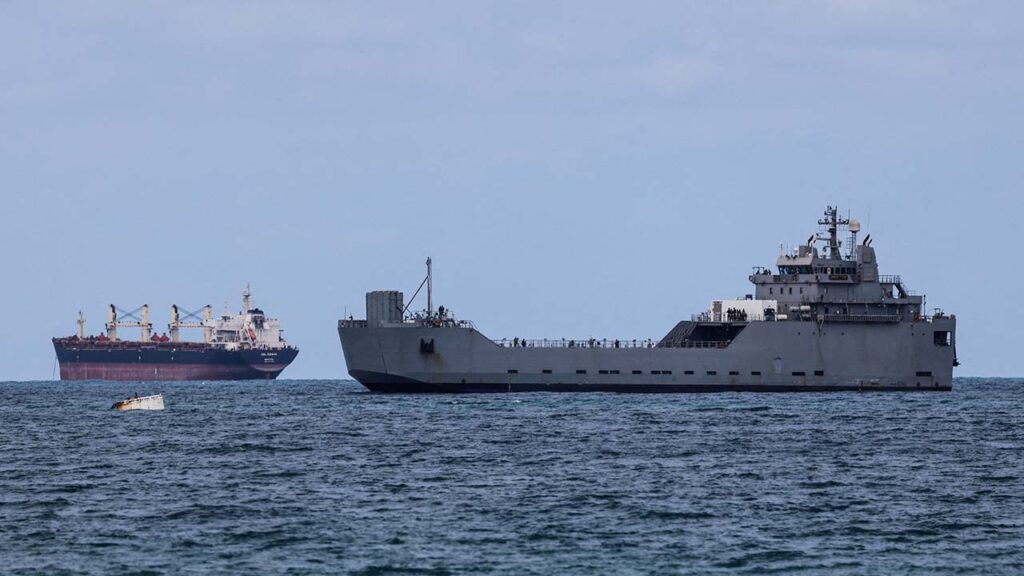
U.S. forces on Monday struck missile launch sites in Iran and boats that were trying to place mines, U.S. officials said. U.S. Central Command said they were intended “to protect our troops from threats posed by Iranian forces.”
In recent days, Trump has threatened a return to hostilities while also pushing a potential path to peace. He has focused on reopening the Strait of Hormuz, which was effectively blockaded by Iran in the early days of the war, disrupting energy markets worldwide.
Here’s What Else We’re Covering:
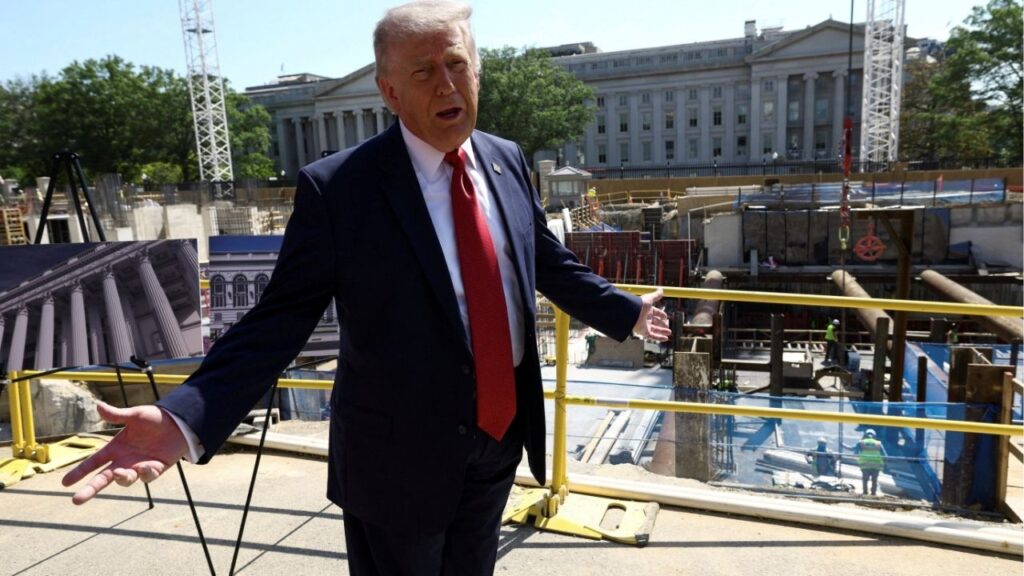
— Enriched uranium: Trump said Monday that he expected Iran either to hand over its enriched uranium or to destroy it in front of neutral witnesses. It is unclear whether Iran has agreed to that.
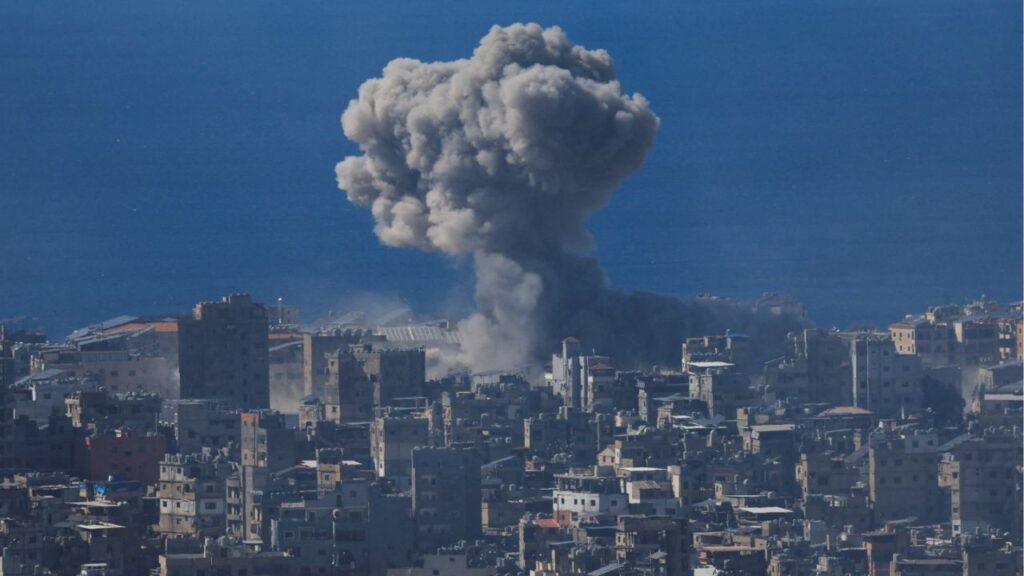
— Conflict in Lebanon: Israel’s military told residents to evacuate from one of southern Lebanon’s largest cities, Nabatieh, on Tuesday. The warning was issued a day after Prime Minister Benjamin Netanyahu signaled a wider intensification of his country’s fight with Hezbollah, the Iran-backed militant group. Hezbollah and Israel exchanged new strikes on each other overnight.
— Abraham Accords: Trump called on Monday for Qatar, Saudi Arabia and Pakistan, among other Middle Eastern countries, to join the Abraham Accords, the U.S.-brokered normalization agreements between Israel and several states. But that is highly unlikely, according to analysts.
— Internet in Iran: President Masoud Pezeshkian of Iran has ordered the country’s communications ministry to end its near-total internet blackout, according to Tasnim, a semiofficial Iranian news agency. On Tuesday, however, the internet monitoring group Netblocks reported that the blackout had nevertheless remained in effect.
—
This article originally appeared in The New York Times.
By Leo Sands, Erika Solomon and Eric Schmitt/Arash Khamooshi
c. 2026 The New York Times Company