
|
Getting your Trinity Audio player ready...
|
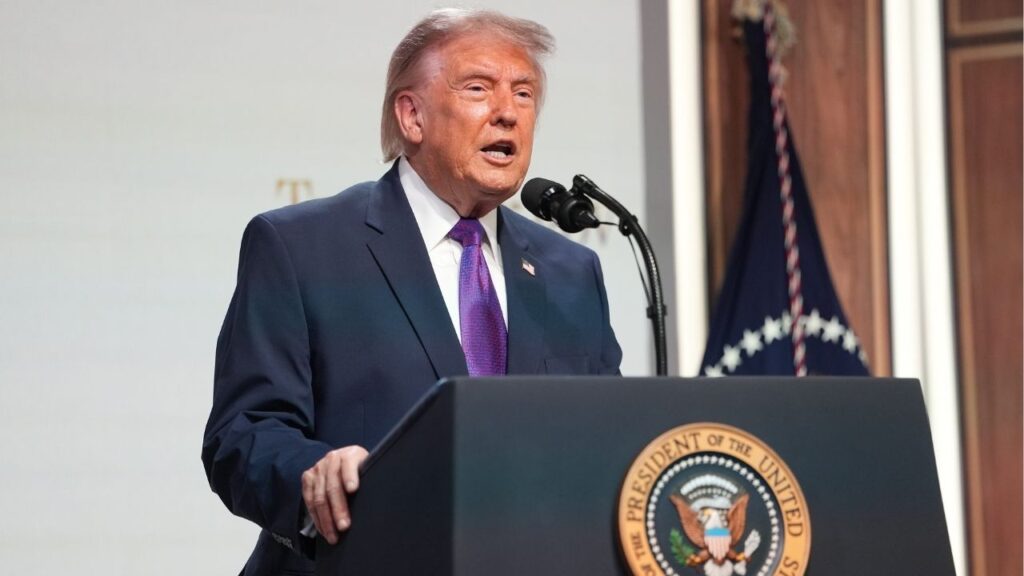
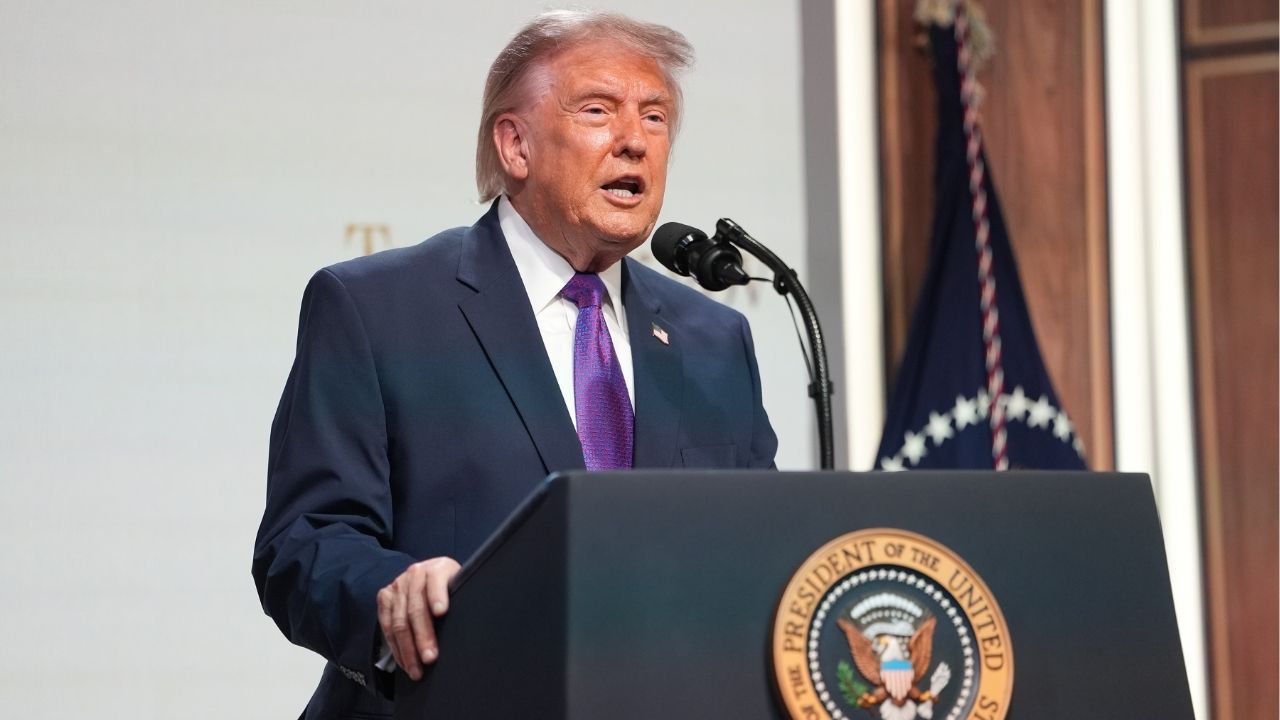
BEIRUT — The Middle East remained in a tense limbo Tuesday after President Donald Trump said he had postponed a major attack on Iran to give more time for diplomacy.
Iran did not immediately respond directly to Trump’s remarks, which were made Monday. An Iranian army spokesperson, Brig. Gen. Mohammad Akraminia, warned Tuesday that any U.S. attack would prompt Iran to open “new fronts” using “new tools and methods,” according to IRNA, Iran’s state news agency.
As the monthlong ceasefire has come under increasing strain, Pakistan, a mediator in the conflict, has sought to keep indirect talks alive between Iran and Washington. Iranian state media reported that Pakistan’s interior minister, Mohsin Naqvi, had met Iran’s foreign minister, Abbas Araghchi, in Tehran, the Iranian capital, on Monday evening and discussed efforts to end the war.

The Pakistani government has not commented on the two-day trip, which reportedly started Sunday. Tasnim, an Iranian semiofficial news agency, described Naqvi’s visit to Tehran as part of Pakistan’s efforts to “facilitate dialogue and promote regional peace.”
Trump said Monday that he had authorized a “very major attack” against Iran for Tuesday but had postponed it after the leaders of Qatar, Saudi Arabia and the United Arab Emirates asked for more time to pursue an agreement over Iran’s nuclear program. He said that there was a “very good chance” that a deal could be reached but that the U.S. military was prepared for a “full, large scale assault” if Iran did not agree to terms acceptable to Washington.
The episode was the latest example of Trump’s brinkmanship over Iran, in which threats of overwhelming force have repeatedly given way to last-minute pauses for diplomacy.
Negotiations have stalled over Iran’s nuclear program and the Strait of Hormuz, a critical transit point for oil and gas, which Iran has effectively closed since the early days of the war, rattling global energy markets.
Trump has demanded that any agreement prevent Iran from obtaining a nuclear weapon, while a U.S. military official has said that Iran has used the ceasefire to dig out bombed ballistic missile sites, move mobile launchers and adjust its tactics for any resumption of strikes.
The war, now in its third month, has hit Iran hard, but U.S. military officials say the Iranian government has demonstrated resilience and the ability to impose heavy costs on the wider region and the global economy.
—
This article originally appeared in The New York Times.
By Euan Ward/Doug Mills
c. 2026 The New York Times Company