
|
Getting your Trinity Audio player ready...
|
WASHINGTON — A bipartisan effort to force a vote on legislation sending fresh U.S. security aid to Ukraine has amassed the 218 signatures needed to force a floor vote, the latest in a series of instances of rank-and-file lawmakers wresting control of the chamber’s agenda from Republican leaders.
The legislation, introduced by Rep. Gregory Meeks of New York, the top Democrat on the Foreign Affairs Committee, had languished for months as its backers remained just one signature short of the support they would need to steer around the leadership and secure quick action.
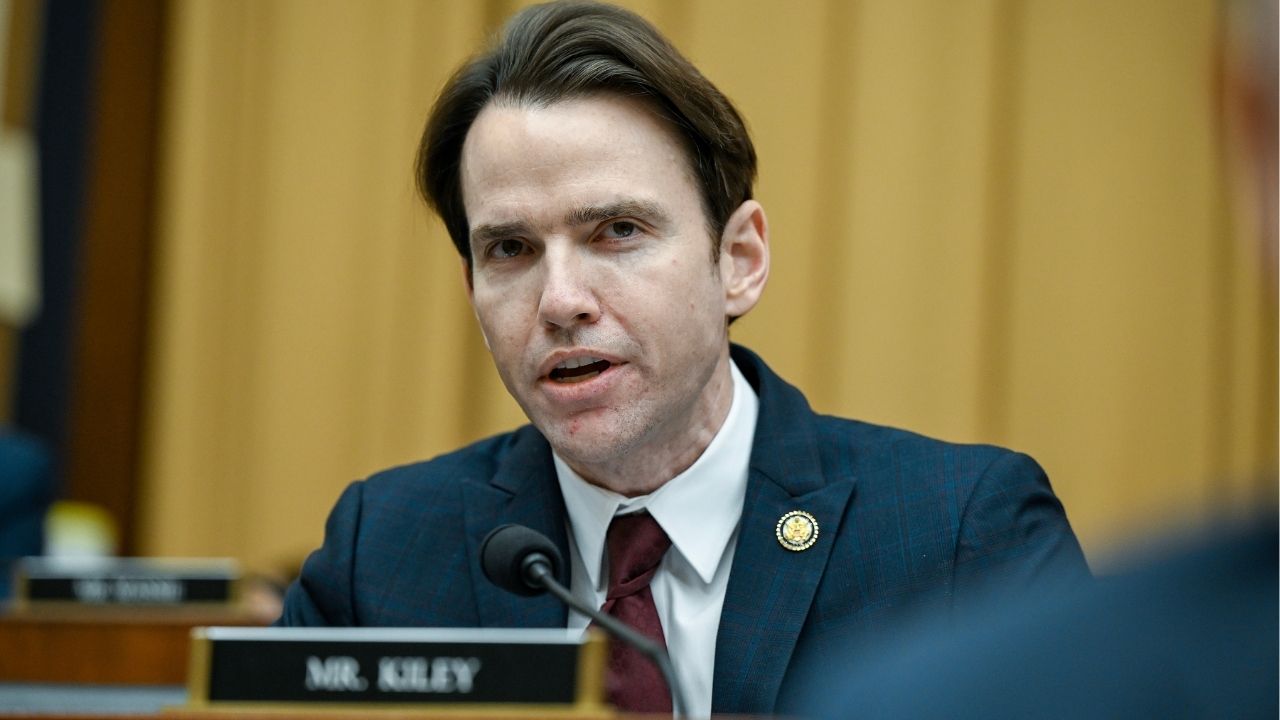
But on Wednesday, Rep. Kevin Kiley, the California independent who caucuses with Republicans, signed onto the effort, known as a discharge petition, which calls for a vote and starts a clock that will compel House leaders to bring the measure to the floor as soon as the end of the month.

The measure has little chance of enactment given widespread Republican opposition, including by President Donald Trump. But the success of the discharge petition was another blow to Speaker Mike Johnson, who has struggled to keep control of his conference and the House floor given his razor-thin majority.
The bill would authorize $1.3 billion in security assistance for Ukraine and up to $8 billion more in additional support via direct loans. It would also seek to replenish U.S. weapons stocks, establish financing mechanisms for postwar reconstruction, and impose new sanctions targeting Russia and the entities supporting its war effort.
The petition has been signed by all Democrats, along with two Republicans, Reps. Don Bacon of Nebraska and Brian Fitzpatrick of Pennsylvania. Given the GOP’s slim vote margin, those signatures along with Kiley’s were enough to bring the petition to the threshold needed to force a vote on the bill.
“Recent Ukrainian gains have created an opportunity for peace, but the collapse of the recent ceasefire shows that leverage is needed for diplomacy to succeed,” Kiley said Wednesday of his decision to sign the petition. “Congress can act now, in a bipartisan way, to strengthen that leverage and advance a durable peace that protects the interests of the United States and our allies.”
Discharge petitions have long been considered one of the House’s most difficult procedural weapons, requiring an outright majority of the chamber to circumvent leaders and force action over the objections of the speaker. The tool has become notably more common during Johnson’s speakership as narrow margins and ideological fissures have repeatedly weakened his grip on the chamber.
The breakthrough in the House comes at a volatile moment in U.S. policy toward Ukraine. Trump, who spent months pressing for a negotiated end to the war while voicing skepticism about continued open-ended U.S. support, has sharpened his criticism of President Vladimir Putin of Russia in recent weeks as ceasefire efforts have faltered and Russian attacks intensified.
“Every day this administration hesitates to apply real pressure on Russia and fails to support Ukraine is another day Ukrainian soldiers don’t get the tools they need,” Meeks said when introducing the petition last year, accusing the White House of allowing Putin to “dodge, delay and deflect.”
—
This article originally appeared in The New York Times.
By Robert Jimison/Kenny Holston
c. 2026 The New York Times Company