
|
Getting your Trinity Audio player ready...
|
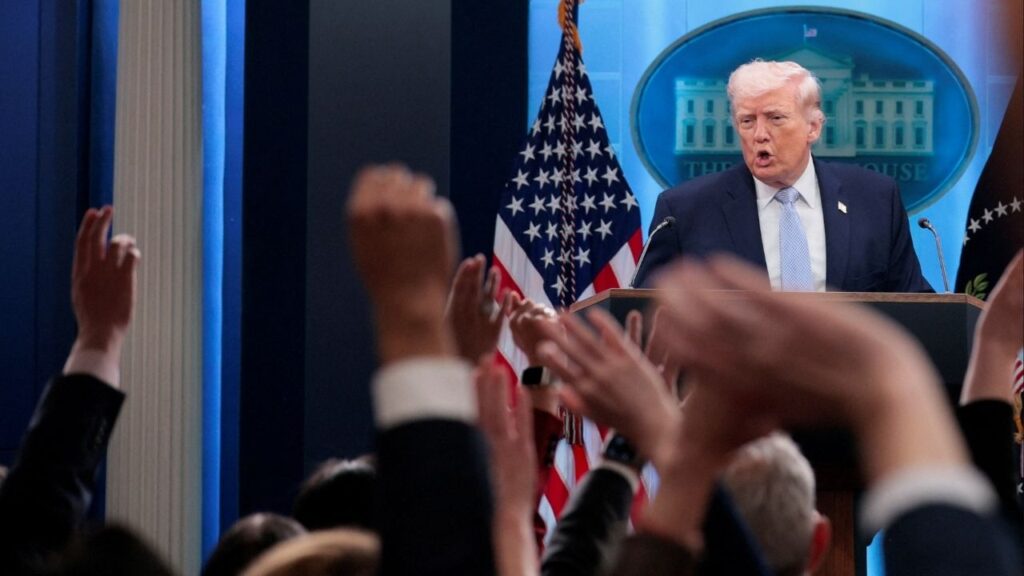
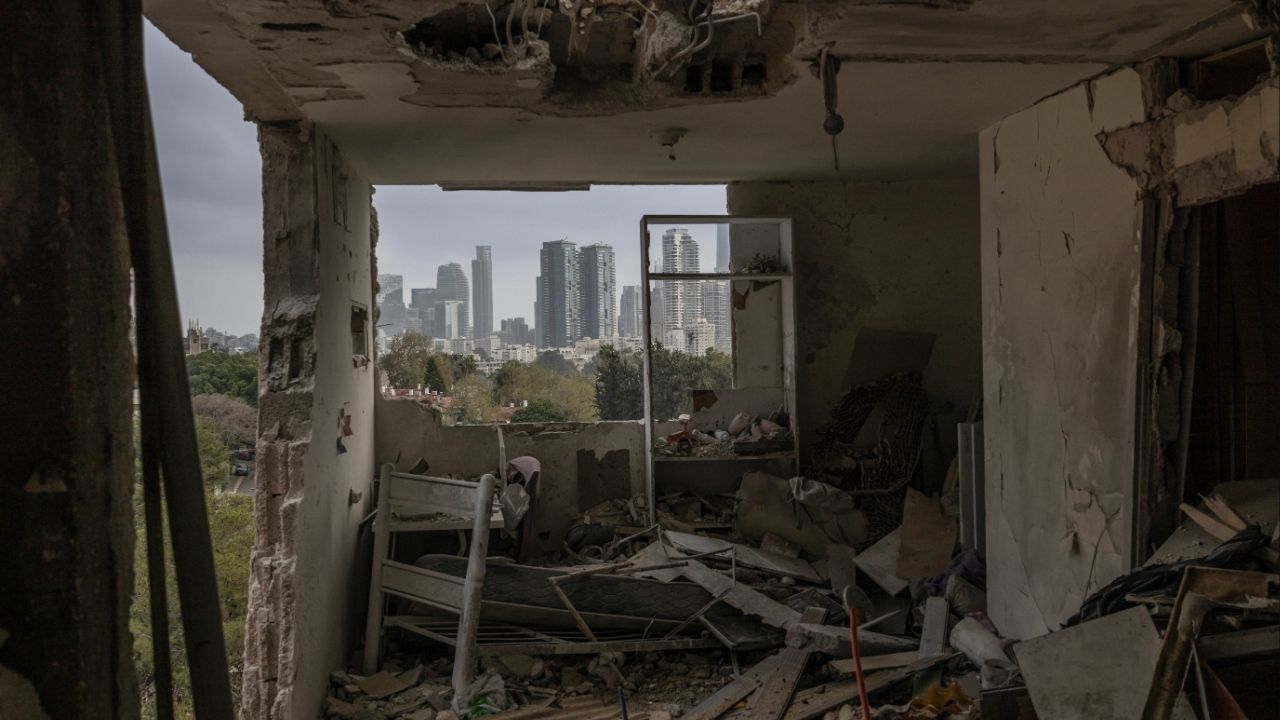
The Trump administration said Thursday that it was considering new steps to shore up oil supplies, as it scrambles for solutions to a global energy crisis set off by the U.S.-Israeli bombing of Iran and Iran’s wide-ranging retaliatory strikes.
Treasury Secretary Scott Bessent told Fox Business that the U.S. government “may unsanction the Iranian oil” that is already being shipped, about 140 million barrels, and that the United States could also release more oil from its own strategic reserves. It was the latest sign of how serious the energy crisis has become, and it reflected the Trump administration’s desperation to reduce crude oil prices.
Bessent’s comments came as the Pentagon sent the White House a request for $200 billion in funding for the war in Iran, according to a military official and an administration official — a significant sum adding to the costs of an already divisive campaign. The White House will review the request before it is formally submitted to Congress.

“Obviously, it takes money to kill bad guys,” Defense Secretary Pete Hegseth said when asked about the request Thursday, adding, “As far as the $200 billion, I think that number could move.”
Last week, the United States removed sanctions on Russian oil that is currently at sea and even allowed Iranian-linked ships and companies to transport and sell Russian oil on the open market.
Tit-for-tat attacks in the Persian Gulf have sent oil and natural gas prices soaring. The price of Brent crude, the international benchmark for oil, jumped nearly 10% to $118 a barrel Thursday morning. European natural gas prices surged as much as 30%.
Qatar, a major global energy supplier, said Iranian attacks had damaged gas sites, including the Ras Laffan terminal, the world’s largest liquefied natural gas facility. Saad al-Kaabi, the CEO of QatarEnergy, a state-owned energy company, told Reuters that the Iranian attacks had knocked out nearly a fifth of the company’s liquefied natural gas export capacity, and that repairs would take three to five years.
The Iranian attacks in Qatar were in retaliation for an Israeli attack on a major gas field Wednesday. Drone attacks also caused fires at two state-owned refineries in Kuwait, and a drone fell at a key energy export terminal in Saudi Arabia. In the United Arab Emirates, officials said the authorities had responded to incidents at gas facilities and an oil field caused by debris from missile interceptions.
Abbas Araghchi, Iran’s foreign minister, said on social media that Iran would show “ZERO restraint” if its energy infrastructure were struck again.
Still, Hegseth projected confidence at a news briefing at the Pentagon on Thursday, telling reporters: “We’re winning decisively and on our terms.” He declined to offer a timeline for when the war might end.
Here’s What Else We Are Covering:
— Washington: Prime Minister Sanae Takaichi of Japan is scheduled to meet with Trump on Thursday. Tulsi Gabbard, the director of national intelligence, told a House committee hearing that Mojtaba Khamenei, the new supreme leader of Iran, had been badly injured in an Israeli attack.
— Saudi Arabia: Saudi Arabia’s foreign minister said the country reserved the right “to take military actions if deemed necessary” to protect itself from Iranian attacks. The kingdom and the Islamic republic reestablished diplomatic relations in 2023 but “what little trust” there was between them has “completely been shattered,” he said.
— Iran: People in Tehran and elsewhere in Iran have described intense attacks that have caused widespread fear and anger. As Israel has killed more of Iran’s military and government leadership in recent days, the targeted killings, as well as strikes on police stations, have often happened in densely packed residential neighborhoods.
—
This article originally appeared in The New York Times.
By Aurelien Breeden, Tony Romm, Helene Cooper, Eric Schmitt and John Ismay/Avishag Shaar-Yashuv
c. 2026 The New York Times Company