
|
Getting your Trinity Audio player ready...
|
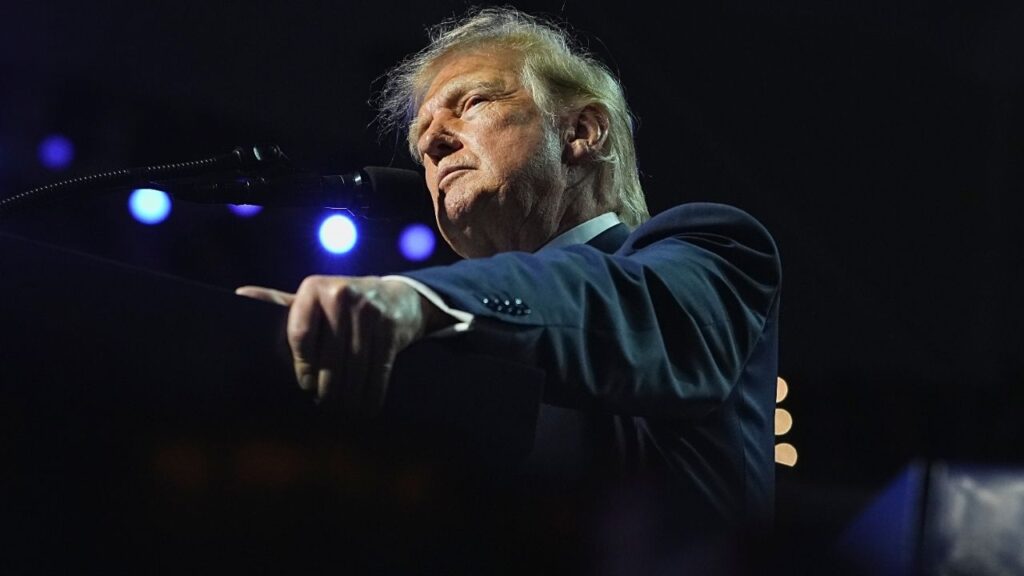
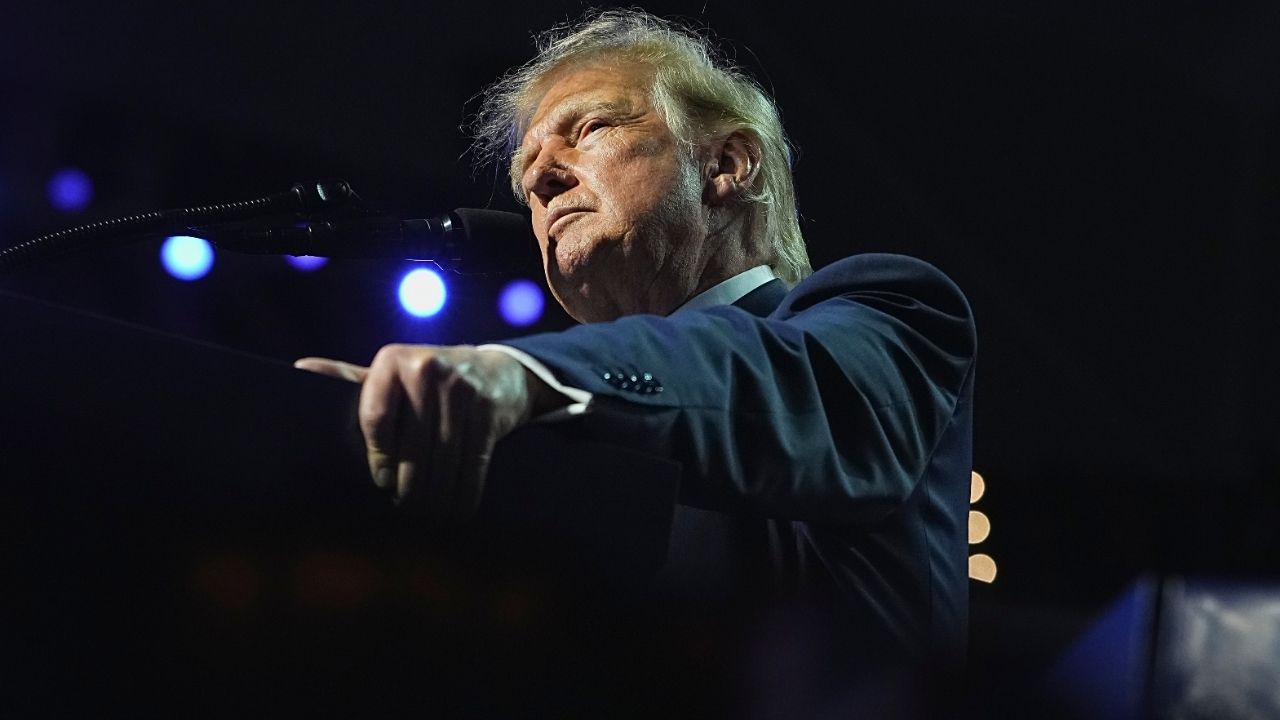
President Donald Trump pledged at the Republican midterm convention Wednesday to give every American adult $5,000 if his party keeps control of Congress in November.
“It will be called the Trump dividend,” he said in Dallas, and added a caveat — the money must be spent within the United States — though he offered few further details.
After the president’s speech, Vice President JD Vance defended the proposal in an interview with Fox News, pointing to revenue from the administration’s tariffs. But many questions remain, including how Trump would finance the payments or secure legislative approval for them.

The proposed payouts, which would cost the government more than $1 trillion, could have a significant impact on the U.S. economy. They echo other suggestions by the Trump administration that have not materialized.
Here are some questions raised by Trump’s idea.
Could Trump Unilaterally Approve the Payments?
Experts say he would likely need the approval of Congress, which under the Constitution has sole spending authority for the U.S. government. That means he would probably be unable to issue the checks via an executive order, said John Day, a former prosecutor in New Mexico who now handles cases involving government misconduct and civil rights.
Trump in his speech likened the payouts to the $1,776 checks he gave to members of the military last year, which had been drawn from funds appropriated by Congress for housing enhancements.
Even with Republican control of the House and Senate, Congress resisted Trump’s calls last year to send $2,000 rebate checks to families that would have been funded with money collected from his tariffs.
Could Such Payments Face Legal Challenges?
It’s complicated. Federal laws prohibit expenditure to influence voting decisions, such as vote-buying or voter bribery. But Trump has framed the checks as a benefit for all American adults, no matter whether or how they voted, legal experts said.
Experts said it would be difficult to mount a legal challenge on the premise that the payments constituted bribery, likening Trump’s “dividend” to a pledge to deliver a tax break.
“A promise to lower taxes also gives voters a financial reason to support a candidate, but that does not, by itself, make the promise a bribe,” Day said. “Under the proposal as announced, an eligible adult could vote Democratic — or not vote at all — and still receive the same payment if the program were enacted.”
Experts also pointed to a Supreme Court ruling from 1982, Brown v. Hartlage, that made a distinction between broad policy promises and illegal vote-buying. The court unanimously ruled that a state could not void an election because a candidate had made a public promise to reduce government spending or lower their own salary.
Has an Idea Like This Been Raised Before?
Trump has raised similar payouts in the past. At the start of his second term, he pledged to pay out to Americans the money that the Department of Government Efficiency, led by Elon Musk, planned to cut from the federal budget. Trump has also mentioned tariff refunds, through which the public would receive a portion of the income from his import levies.
These proposals did not materialize because of a failure to fund them: Musk’s efforts did not lead to substantial savings and the Supreme Court struck down many of Trump’s tariffs, forcing his administration to repay billions of dollars to importers.
In the 2024 presidential election, Musk courted conservative-leaning voters by giving away $1 million to people who signed a petition, payments that were later allowed by a judge. He made a similar offer before the Wisconsin Supreme Court election, and was forced to walk it back after appearing to run afoul of state bribery laws.
Democrats have made similar moves. In 2021, before Georgia’s Senate runoff elections, President-elect Joe Biden and the state’s two Democratic candidates, Jon Ossoff and Raphael Warnock, promised their support for $2,000 stimulus checks to voters. They won both seats, giving Democrats a majority, and the stimulus checks totaling that amount were paid out that year.
How Could the Payments Impact the Economy?
There are about 240 million adult citizens in the United States, according to the Census Bureau, which means that Trump’s payments could cost about $1.2 trillion. Economists said that such an expenditure would exacerbate the federal budget deficit of about $2 trillion and the national debt, which recently passed $40 trillion.
The payouts would likely lead to a rise in inflation, though it is difficult to predict by how much, said Ina Simonovska, an economics professor at the University of California, Davis.
They could also lead to an increase in interest rates, which are already elevated and trending higher, said Lee Ohanian, a professor of economics at UCLA.
“Significantly expanding the deficit at this time would come with significant challenges, including the cost of future financing, how markets would respond and how the dollar’s foreign exchange value would be affected,” Ohanian said.
—
This article originally appeared in The New York Times.
By John Yoon/Haiyun Jiang
c. 2026 The New York Times Company