
|
Getting your Trinity Audio player ready...
|
Cases of cyclosporiasis were mounting rapidly in Michigan, and state health officials were homing in on a common thread: Many of those who had fallen ill had eaten at Taco Bell.
On July 1, they asked the company for its supply chain records, crucial information in tracing ingredients that may have caused the outbreak.
On July 3, they wrote and asked for the records again.

On July 6, they wrote a third time.
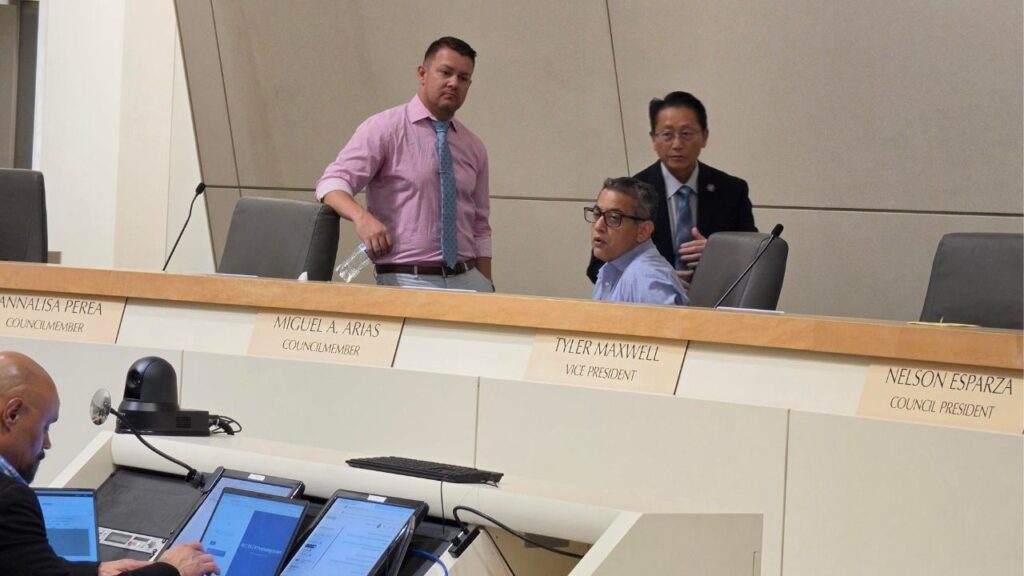
“With the rapid nature of this outbreak and the number of people affected, we need to ensure we are completing traceback in a timely manner to preserve public health,” Lauren Edwards, a public health researcher on the state’s rapid response team, said in an email to executives at Yum Brands, which owns Taco Bell. (The New York Times obtained the correspondence under Michigan’s open records law.)
Later that day, Taco Bell provided some records to the state, which by then was working with the federal Food and Drug Administration. The FDA asked for additional records two days later. Finally, on July 13, the agency received all the records it needed to pinpoint lettuce from a Taylor Farms plant in Mexico as a source of the outbreak.
A federal rule that had been scheduled to take effect in January would have required Taco Bell to send those records within 24 hours. But last year, the Trump administration delayed the implementation of that rule until mid 2028, saying companies needed more time to prepare.
Food safety experts say the postponement has hindered the response to the outbreak, the largest cluster in a record number of cyclospora cases in the United States this year.
“Time translates into illnesses and lives,” said Thomas Gremillion, director of food policy at the Consumer Federation of America, who reviewed the emails from Michigan. He added: “We would have had a much better response to this outbreak if they hadn’t delayed that rule.”
Cyclospora, which can cause explosive diarrhea, cramps and other severe symptoms, has been a recognized driver of foodborne illness for nearly 30 years. But this year’s massive toll — totaling more than 24,500 confirmed or suspected cases so far and two deaths — reveals shortcomings in the U.S. food safety system that may leave Americans more vulnerable to future pathogens, public health experts say.
Many point to an erosion of food safety oversight during the Trump administration, stemming in part from its aggressive efforts to roll back regulations and shrink the federal government. Last year, the FDA laid off many of the staff who supported food inspectors’ travel planning and who coordinate with foreign governments on food safety. (An FDA spokesperson said Friday that “travel support staff and staff that coordinated with foreign governments have been reinstated.”) The administration eliminated a committee tasked with studying problems that led to outbreaks. It also cut a program focused on cyclospora tracking.
“So far this administration has made our food less safe, not safer,” said Scott Faber, senior vice president for government affairs at the Environmental Working Group. “By firing food safety experts, by reducing the number of inspections, by tracking fewer pathogens, and by failing to set up a traceability system that makes sure that we’re able to clear the shelves quickly.”
Donald Prater, the FDA’s acting deputy commissioner for food, said the agency responded swiftly with the information it had on hand. He added that even if the 24-hour rule had been in effect, it would not have made a major impact on managing this outbreak response.
An FDA spokesperson said that protecting the nation’s food supply remains a core responsibility, and the agency has the personnel and resources to respond to outbreaks of foodborne illnesses.
Taco Bell said it responded to requests from Michigan and federal officials in a timely manner. “We acted immediately, voluntarily and proactively to protect our guests and support health officials,” the company said in a statement.
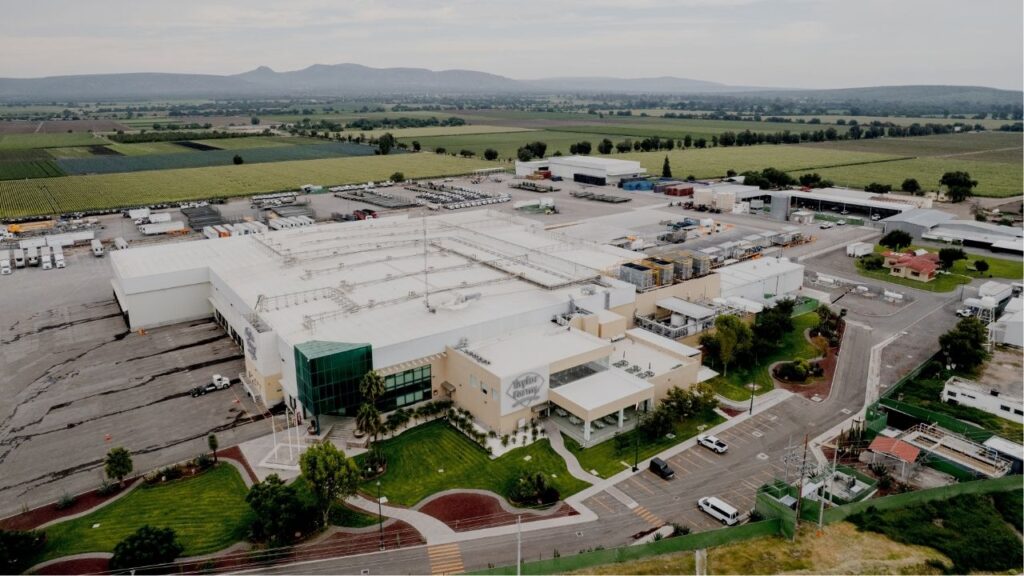
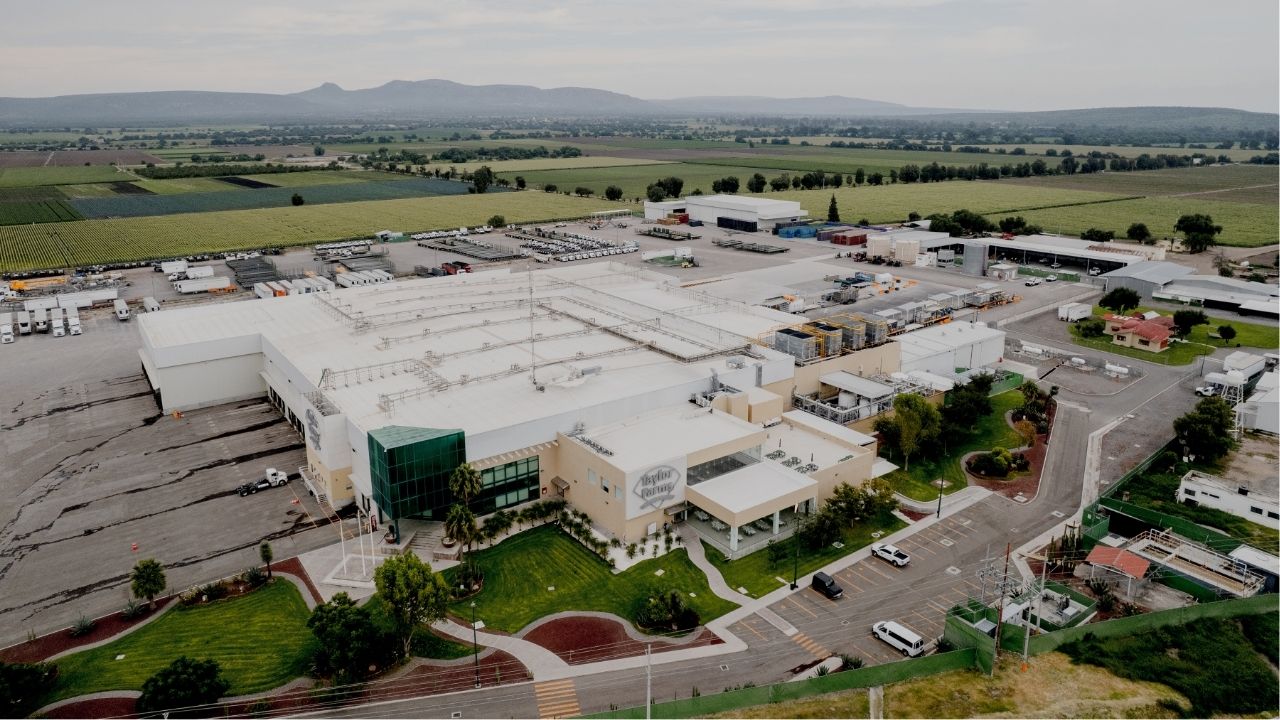
On July 15, federal authorities tied the outbreak to iceberg lettuce that had been supplied to Taco Bell from a plant in Mexico owned by Taylor Farms, a large U.S.-based producer of fresh vegetables, fruits and greens. The next day, Taylor Farms began a recall of its products containing iceberg lettuce that had been shipped to 27 states.
A spokesperson for Taylor Farms said it promptly responded to requests for information and is cooperating with health officials in the U.S. and Mexico. On July 19, it sent independent third-party experts to conduct a “top-to-bottom review” of food safety processes there.
Yet efforts by authorities to figure out how the iceberg lettuce in Mexico became contaminated by cyclospora, a single-cell parasite that infects the small intestine and spreads through feces, continue to move slowly. Although Taylor Farms temporarily shut down the plant July 18, FDA inspectors did not arrive in Mexico to inspect it until this past week, nearly a month later.
The investigators from the FDA were delayed in traveling partly because of clearances needed to work in an area deemed unsafe for Americans, according to a person familiar with the effort, who was not authorized to speak about it. They also needed to coordinate with the Mexican government and gather enough testing supplies to do a thorough investigation, the person said.
The slow start could make it difficult to discover a root cause of the contamination, said Sandra Eskin, CEO of Stop Foodborne Illness, a nonprofit working to protect against foodborne pathogens.
Declining Inspections
Some of the problems that have hampered the response to this outbreak developed over decades: Scientists who study cyclospora said they have lacked the funding to better understand the parasite, including how it spreads and how to detect it. Food safety advocates say the goals of a landmark food safety law enacted in 2011 have not been met amid weak regulations and falling numbers of foreign food facility inspections.
The federal rule requiring companies to swiftly produce records in an outbreak investigation was drafted under that law, the Food Safety Modernization Act, which gave the FDA new powers to keep food free of parasites and pathogens, to rapidly trace produce through the supply chain and to aggressively expand inspections.
The law set a goal of 19,200 annual foreign inspections by 2016. But foreign inspections have fallen markedly even as the foreign food supply has surged. In 2025, the agency made about 1,100 visits to foreign food plants and cited significant lapses in about 80 of them. Its last visit to the Taylor Farms facility in Mexico was in 2019, records show.
Even though finding the tiny cyclospora parasites during a site visit is challenging, such visits could reveal indicators such as irrigation water with high levels of fecal matter.
A spokesperson for Taylor Farms said that it has a “robust fecal indicator testing program that includes cyclospora for all of our water sources. All of those tests have been negative.”
With the exception of the pandemic years, the FDA’s foreign food inspections in 2025 were at a 15-year low, agency data show.
Currently, the FDA has about 440 staff charged with inspecting more than 300,000 registered animal and human food facilities — domestically and abroad.
“Other things help ensure the safety of the food supply, but inspection is the classic consumer protection when it’s done correctly,” Eskin said.
In Michigan, cyclospora has now sickened more than 12,000 people and contributed to two deaths. Officials said in the internal emails, which were first obtained by Bloomberg News, that they had to contend with an antiquated disease surveillance system and analyze the information from interviews with 700 people who fell ill.
Once Taco Bell emerged as a common thread the interviews, getting the company’s supplier list was crucial, said Susan Mayne, a former FDA official who remains active in food policy. In such a large outbreak, she said, it’s important to determine if one ingredient came from a central source, in contrast to those from an array of farms.
“The faster you can get back to the records, the faster you can identify the source of the outbreak and remove those products from the market and prevent further exposures,” she said. “So speed is everything.”
Searching for Solutions
This past week is not the first time FDA officials flew to Taylor Farms’ Mexican processing plant to investigate a cyclospora outbreak.
In 2013, in the wake of an outbreak that sickened more than 600 people who ate salad at Olive Garden and Red Lobster, federal inspectors descended on the facility and examined more than 1,000 samples of lettuce, irrigation water and the feces of the farmworkers, a main harbor for the cyclospora parasite.
They found virtually nothing, an inspection report shows. Every result was negative, except for one considered inconclusive.
The FDA noted that the facility’s practice of washing the salad mix with recycled water had the potential to spread cyclospora, if it was present. But ultimately the agency could not “determine how or at what point in the supply chain” the cyclospora was introduced. Taylor Farms said it then began a new process for testing water and produce.
Jim Gorny, a produce safety expert who retired in 2024 from the FDA, said cyclospora wasn’t viewed inside the agency as high-risk like E. coli or listeria. Yet, some scientists were growing increasingly worried as cyclospora outbreaks grew in size and scope. Originally found in berries and basil, by the 2000s, it was affecting larger numbers of people after eating salad.
Cyclospora is a uniquely difficult parasite to detect, monitor and eliminate. Testing for it in the environment — especially in agricultural water — is extraordinarily challenging, and, as a result, rarely done.
The USDA said its peer reviewers had selected projects viewed as “most impactful” for growers and that it had supported some cyclospora research last year.
Gorny noted that he helped develop an FDA action plan for cyclospora that was released in 2023. The plan called for increased and improved education, testing for cyclospora and rapid root-cause analysis of outbreaks. Recently, officials working on the plan held an educational session in a region of Mexico that had been tied to prior cyclospora outbreaks.
But progress toward solutions has been slow. FDA guidance on produce safety released this past week acknowledged that the agency does not know of any treatment that would prevent the spread of cyclospora “and be suitable for use on fresh-cut produce.”
As a result, there may be more summers of cyclospora.
“Until we get down to the hard work of better research, getting tools for better and faster detection and better root cause analysis,” Gorny said, “this is going to happen again.”
–
This article originally appeared in The New York Times.
By Christina Jewett/Julie Creswell/Fred Ramos
c.2026 The New York Times Company