

|
Getting your Trinity Audio player ready...
|
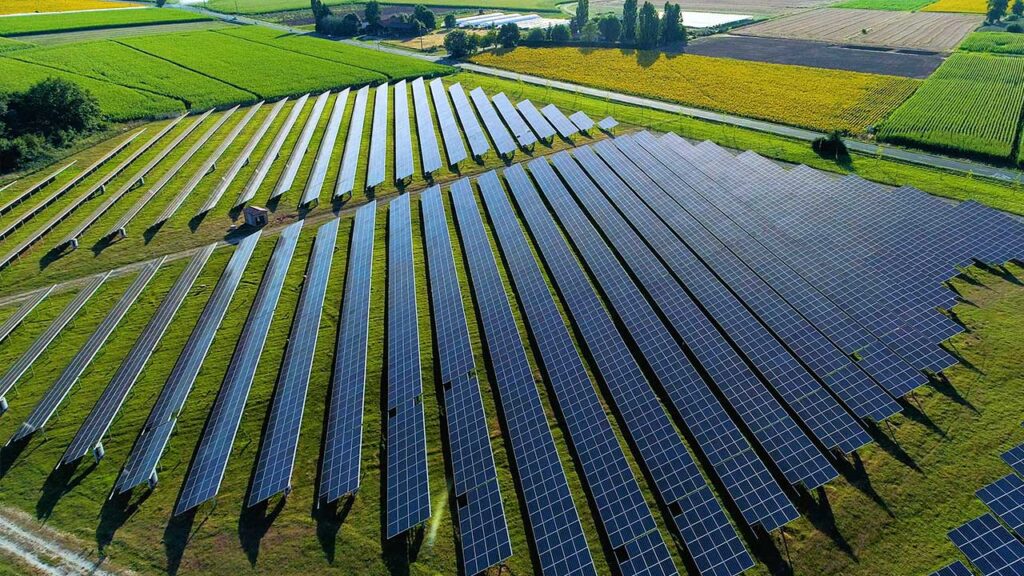
Property taxes fund the schools, public safety and services that Central Valley communities depend on, and it’s likely that soon, the solar industry will generate more property taxes than any other business in the Valley.
Opinion
The solar industry is not seeking to extend the tax exclusion that was enacted by the Legislature more than 40 years ago and will expire in 2026.
On the contrary, we are working collaboratively with the California Assessors’ Association on a path that ensures tax predictability going forward. Historically, this tax exclusion played a critical role in driving down solar costs by more than 80%, making solar the lowest cost energy resource available today.

Let’s talk about what the Valley can expect from new solar projects. An independent analysis prepared for the Large-scale Solar Association in 2024 estimated that solar and storage development across the eight San Joaquin Valley counties could generate at least $150 million annually in property tax revenue for local governments beginning in 2027 — roughly $2.8 billion through 2045.
This op-ed was written in response to “Communities Perish Without a ‘Tax Conscience.’ Solar Must Pay Its Share” by Fresno County Assessor-Recorder Paul Dictos.
That same analysis projects that groundwater rules will take about 150,000 irrigated acres out of production in Fresno County by 2040. For landowners and agricultural communities, solar offers a way to keep land productive and on the tax rolls, creating jobs and funding public services.
Let’s also talk about our work with the Assessors’ Association in this effort. Together, the industry and the assessors need clarity on how these projects will be assessed, because this is a new taxation for both parties. The solar companies are long-term partners with communities and the assessors, and positive, transparent and engaged collaboration will ensure the best possible outcome for all.
That doesn’t mean we agree on everything at the outset, but it does mean that we share a common vision for good-faith negotiations whose result will benefit communities, local governments, and ratepayers alike. Assessors bring the expertise and the statutory responsibility. The industry brings the project data and a stake in getting it right.
Communities like Coalinga and Huron need strong schools and reliable services. We look forward to working with our partners in the Assessors’ Association to deliver a fair, consistent assessment system that provides both and more.
About the Author
Shannon Eddy is the executive director of the Large-scale Solar Association, representing members in the Central Valley and throughout California.
Make Your Voice Heard
GV Wire encourages vigorous debate from people and organizations on local, state, national, and international issues. Submit your op-ed or letter to bmcewen@gvwire.com for consideration.