
|
Getting your Trinity Audio player ready...
|
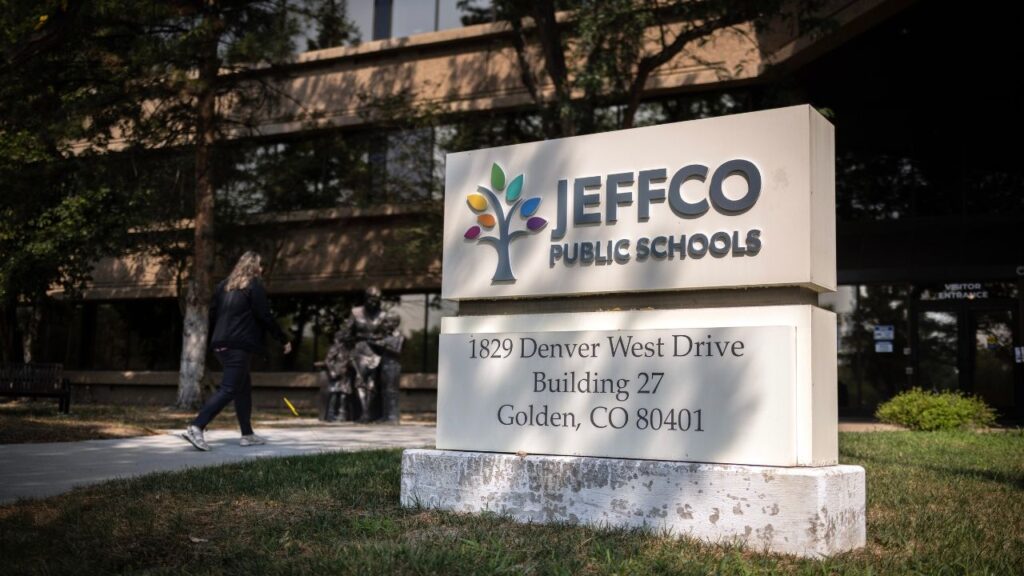
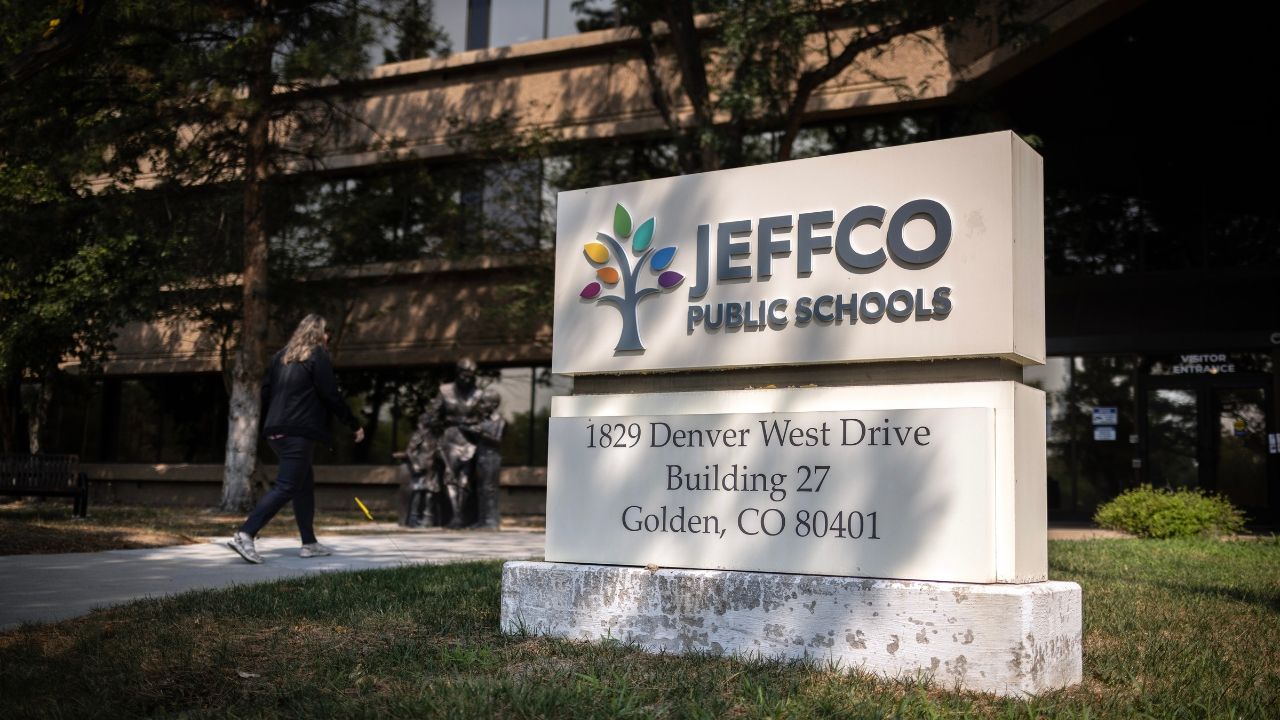
WASHINGTON — The Trump administration will no longer impose funding cuts on a suburban Denver public school district that it said had violated civil rights law with policies providing protections to transgender students.
The Education Department’s retreat came in the form of a request for an administrative stay. It effectively ends a lawsuit from the school district in Jefferson County, Colorado, which had alleged the government’s threats broke the law.
Robert E. Blackburn, a federal judge in Denver, granted the request Tuesday.

Education Department officials said in their filing that they no longer planned to enforce findings in March that the district was violating Title IX, the federal law banning sex discrimination in schools. Officials said the district had erred by allowing students to access restrooms, locker rooms and sports teams based on their gender identity instead of biological sex.
When the department issued its findings, Kimberly M. Richey, the assistant secretary for civil rights, said that the district’s policies were “unconscionable” and that the administration “will not relent” until equal protection under the law was restored.
The government’s filings did not offer any explanation for the change in course. The Education Department communications office did not provide comment, other than to point out the agreement allows it to revive the case in the future. Richey did not return a phone call.
The investigation into Jeffco is one of more than five dozen the administration has opened into school districts and universities since 2025 over potential violations of antidiscrimination protections for female students, widely known as Title IX. The administration argues that allowing those assigned as male at birth access to girls’ sports teams and bathrooms violates Title IX and risks distressing girls.
Last week, Colorado voters approved a ballot measure that bars transgender girls and women from playing on female sports teams from kindergarten through college and leaves verification to local officials. The state’s voters also approved a ban on gender transition-related surgeries for minors. Several other states approved ballot-measure restrictions on transgender athletes in the midterm elections.
Some schools targeted by the Trump administration have agreed to settlements or changed their policies based on Trump’s executive orders that forbid the government from recognizing gender identity instead of biological sex, barred transgender athletes in female sports and rolled back prior administrative guidance that sex-discrimination laws protected gender identity.
A key data point in the Education Department’s investigation of Jefferson County was what it said were at least 61 boys were participating on girls’ athletic teams. But the district immediately challenged that information, saying school records that showed male participants on girls’ teams were team managers and mascots — not athletes.
The government’s request for a stay in Jefferson County was filed jointly with the school district, which had been one of the few public school systems to sue the Trump administration over attempts to impose conservative culture changes in education.
Z Williams, an advocate for transgender rights and co-director of the Bread and Roses Legal Center in Denver, said they were happy with the outcome, which preserves the district’s ability to continue its fight.
“The fact that the federal government isn’t enforcing its own findings shows us how manufactured their issues were,” they said.
Rob Stein, the interim school superintendent in Jefferson County, said the government’s decision to halt its threats of funding cuts “achieved our goals,” which he described as “going about the business of educating our kids and not having distraction like this.”
“We were hoping to not just do what’s right for our kids, but also what’s fiscally prudent,” Stein said.
Julie Tolleson, the chief legal counsel for the school district, said she was surprised when the federal government reached out with its offer.
“They had been so aggressive,” Tolleson said. “They seemed so determined that I didn’t expect them to change course.”
—
This article originally appeared in The New York Times.
By Michael C. Bender/Chet Strange
c. 2026 The New York Times Company