


|
Getting your Trinity Audio player ready...
|
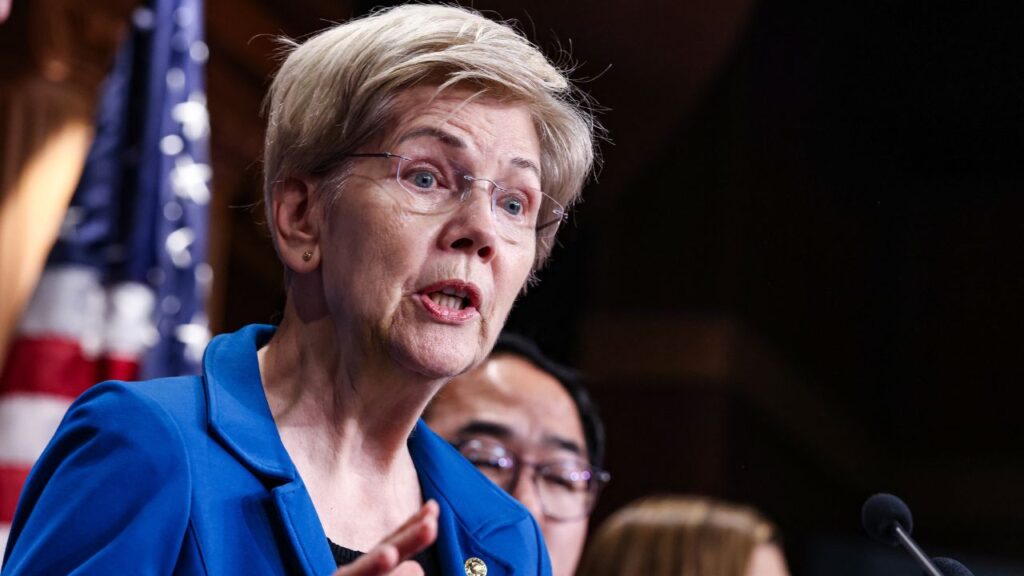
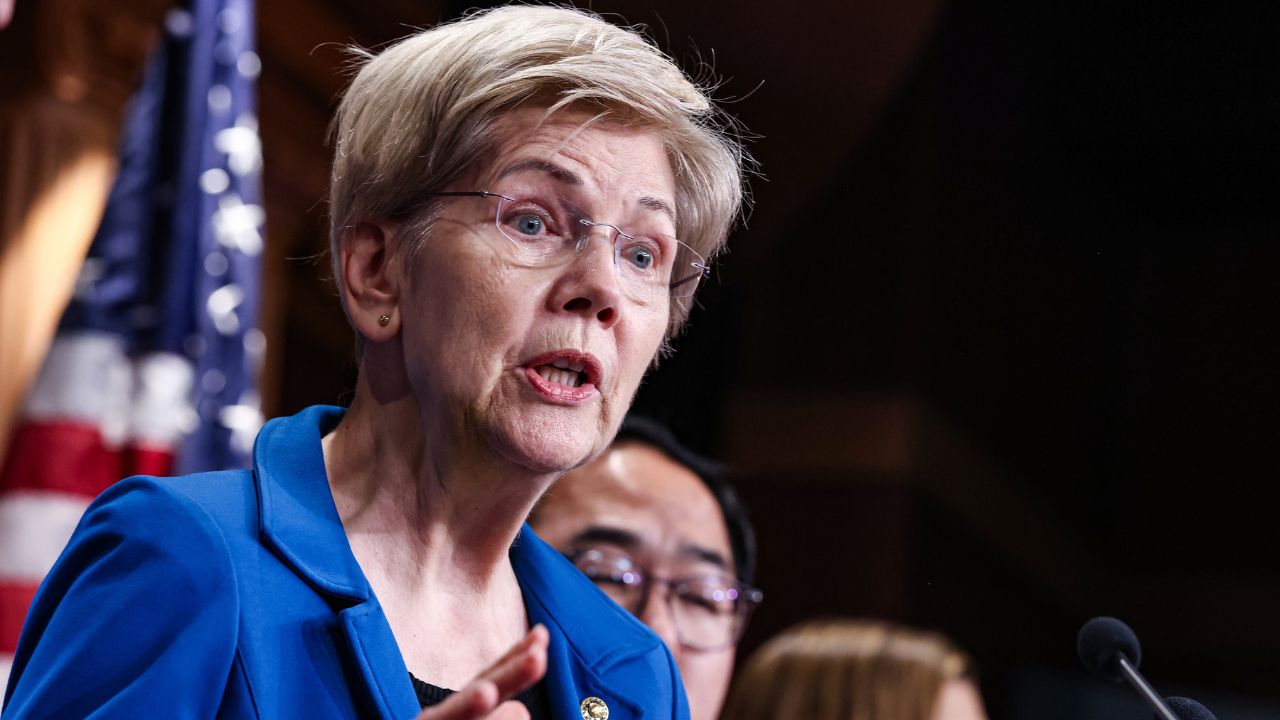
Sen. Elizabeth Warren, D-Mass., has one big fear about her party’s newfound congressional majorities.
It is that Democrats, after campaigning on affordability, will shy away from pursuing a “full-throated” agenda of “economic populism” that delivers for frustrated voters.
Warren knows that President Donald Trump can still veto any legislation he wants and that the filibuster remains an impediment. But she believes there are already some areas of common ground between his party and hers — such as limiting the role of private equity in buying up housing and capping credit card fees — and that Democrats must push through those bills and many more.

“If Democrats don’t deliver — or at least get caught trying — then it will be damned hard to go back to the American people and ask them to put us in charge again,” Warren said in an interview with The New York Times.
Warren, who ran for president in 2020 and remains one of the party’s leading voices on policy on the left, is set to deliver her vision for the next two years in a speech Tuesday at Popular Mandate, a one-day conference of progressive groups in Washington.
Warren, whose unofficial slogan during her 2020 run was “I have a plan for that,” listed keeping private equity out of the housing market and capping credit card fees as issues that Trump has embraced previously and that Democrats support.
“It would be a tremendous breach of faith with Americans if Democrats spend the next few years railing against Trump and waiting for some future Democratic trifecta before we deliver real change,” she added.
That does not mean she wants a watered down approach.
In a copy of her prepared remarks provided in advance, Warren plans to mock the “self-titled ‘strategists’ in our party who are happy to have Democrats rail against billionaires at their rallies — but they expect softer, more middle-of-the-road, corporate-friendly economic policies once in office.”
In the interview, she said Democrats needed to dare Trump to veto some of the party’s popular priorities.
“He claims he wants to lower costs, then let’s put a lot of proposals in front of him,” she said, including raising the federal minimum wage, banning congressional stock trading and banning artificial intelligence surveillance pricing, or the practice of using consumer data to generate personalized prices.
Trump said in the wake of the election that he wanted to work with Democrats. Later in the week, however, he installed Stephen Miller, one of his most hard-line advisers, as chief of staff, a move that has been widely viewed as a sign of digging in for political warfare rather than preparing for legislative dealmaking.
In January, Warren is set to become the chair of the Senate Banking Committee, and she vowed to use the powerful perch to go after bad actors in the financial industry.
“If you’ve been boosting your profits by cheating people, you should be scared,” she said of Wall Street.
She cited Trump’s financial foray into the crypto industry as something “that’s worth a look.” (Trump has dismissed concerns about financial conflicts, including on CBS’ “60 Minutes” on Sunday, saying “every president” faces such accusations.) Warren has remained deeply skeptical of cryptocurrency in general.
In fact, Warren struggled to name a single positive effect of crypto on the financial system.
“I’m still waiting for crypto to make that case,” she said. “They’ve had 18 years now to show the positive use case for crypto and it’s hard to see where that is.”
The one thing Warren did not want to discuss was whether Sen. Chuck Schumer, D-N.Y., should be the next majority leader.
“Not today,” she said of that topic.
–
This article originally appeared in The New York Times.
By Shane Goldmacher/Valerie Plesch
c. 2026 The New York Times Company