
|
Getting your Trinity Audio player ready...
|
Termed-out Fresno City Councilmember Nelson Esparza is closing in on being elected to the California State Board of Equalization.
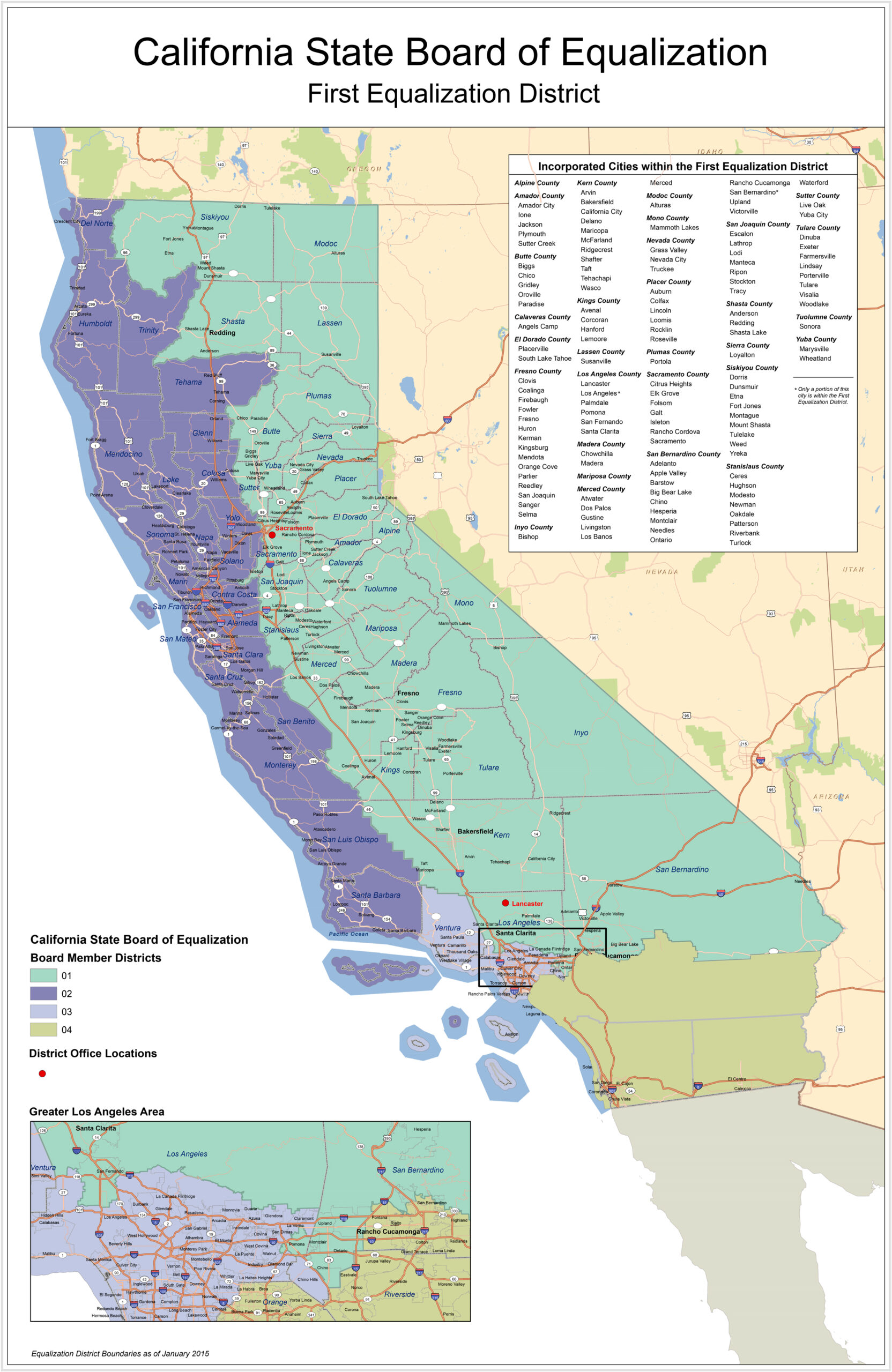
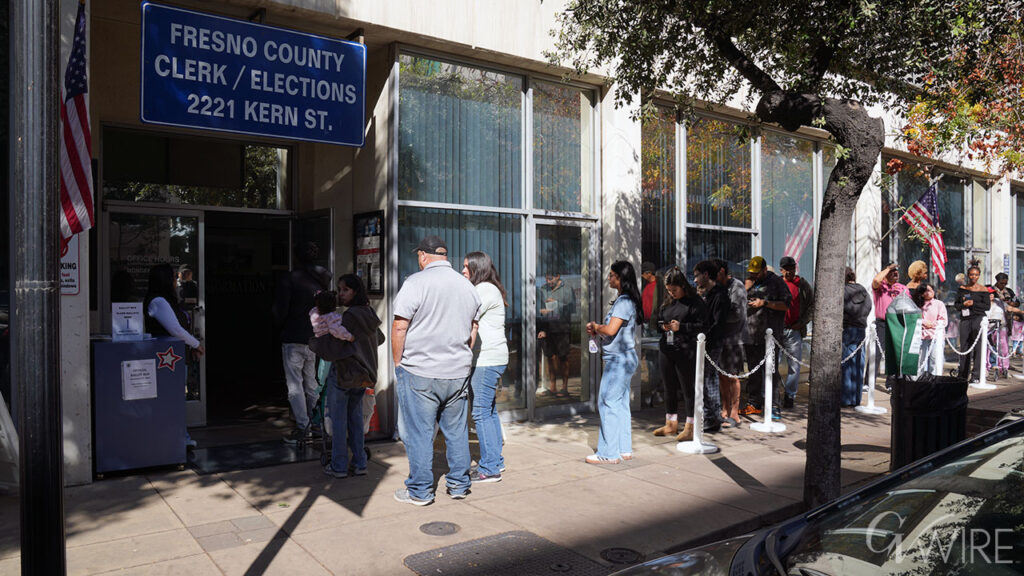
Esparza, a Democrat, is leading Shannon Grove, R-Bakersfield, 53.9% to 46.1%, in voting for the board’s open District 1 seat. More than 1.7 million votes had been tabulated through Thursday morning, with Esparza holding a 135,000-vote edge.
“I’m very optimistic and I’m grateful for the outpouring of support our campaign has felt from across the district,” Esparza said in a statement to GV Wire. “However, there are hundreds of thousands of ballots left to count, and we will be eagerly watching those ballots as they come in.”

Esparza, with an eye toward his political future, filed to run for the position in 2022, as did Grove, a former state Senate Republican Leader.
In early 2025, Esparza announced a bid for state Senate. But Esparza dropped out of the race after Assemblymember Esmeralda Soria, a fellow Democrat, said she was running for the same Senate seat.
Esparza teaches economics at Fresno City College. He graduated from UC Riverside with a B.A. in Economics has master’s degree in Public Policy from the UCLA Luskin School of Public Affairs.
Board of Equalization’s Duties
The BOE was created in 1879 by a state constitutional amendment. It is charged with ensuring that county property tax assessments are fairly conducted.
The board is responsible for property tax programs, the Alcoholic Beverage Tax, and the Tax on Insurers. It also appraises and audits state-assessed public utility companies and railroad companies.
Additionally, the board holds a Taxpayers’ Bill of Rights Hearing annually at which taxpayers share suggestions and concerns. One of the board’s most important duties is being a taxpayer rights advocate.
Who Serves on the Board?
The board’s five members serve concurrent four-year terms. Four represent Equalization districts, which each have about 10 million residents. The state controller is the board’s fifth member.
Board members are limited to two four-year terms. Each elected member receives a salary of $184,447 annually.