
|
Getting your Trinity Audio player ready...
|
WASHINGTON — The U.S. military is preparing options to restart major combat operations against Iran, even as President Donald Trump continues to show ambivalence about restarting the war, according to U.S. officials.
Three aircraft carriers will soon be in the Middle East, a massive assembly of force, and the Pentagon, on Trump’s orders, has developed plans to strike Iran’s drone and missile arsenal, energy facilities and other military sites.
But Trump has repeatedly decided not to relaunch heavy combat operations against Iran. And the U.S. military response to Iran has been more muted in recent weeks, despite Iran’s escalating attacks on oil tankers.

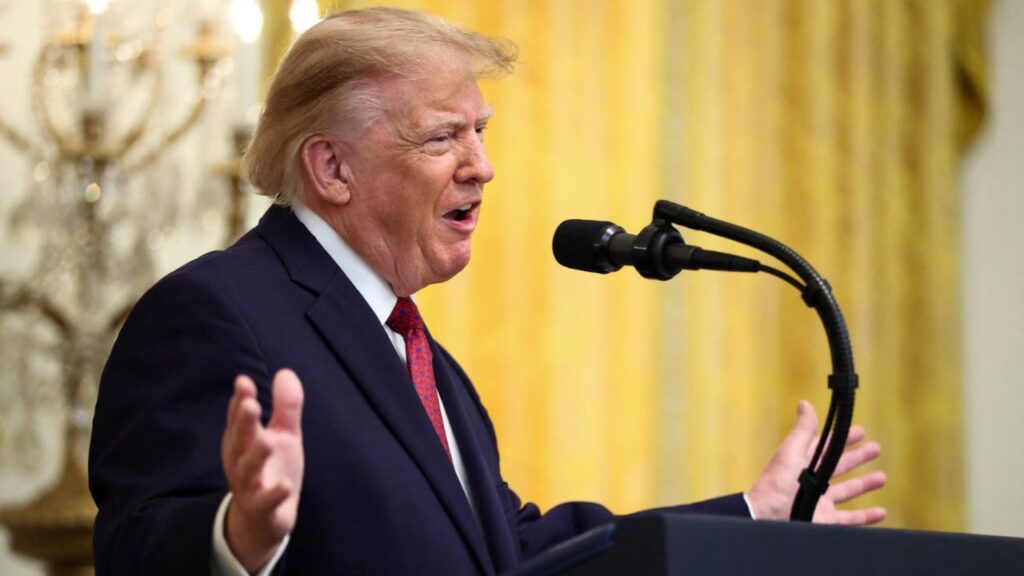
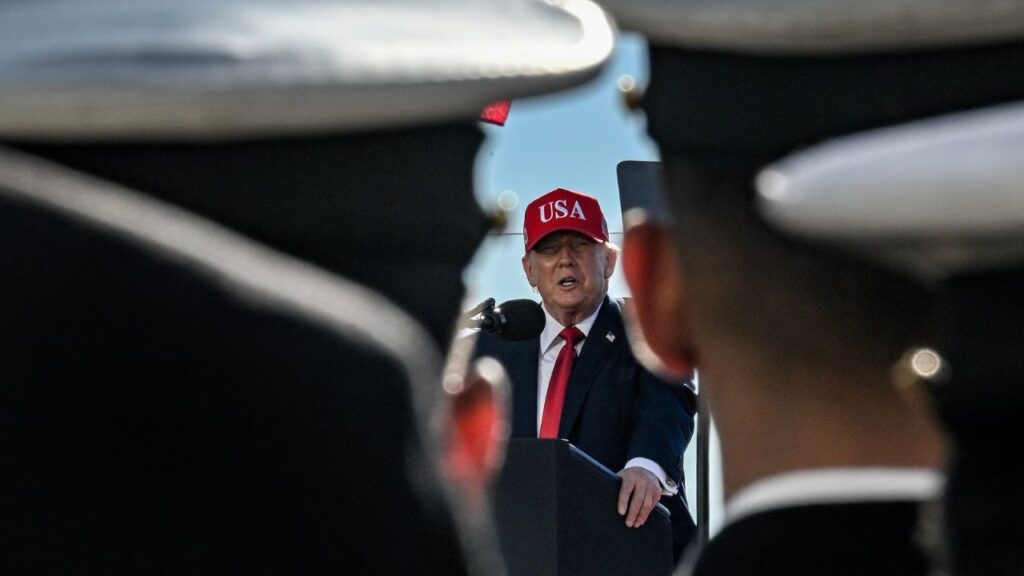
In a social media post Thursday, Trump said that he would not attack Iran before the midterm elections, and that the two countries were “having productive discussions.”
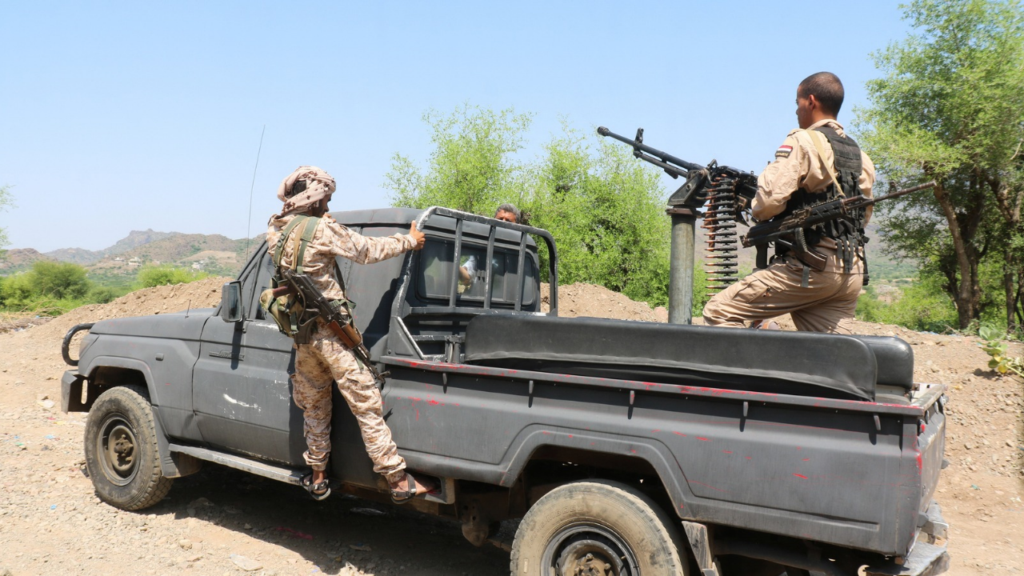
In recent months, officials said, Trump’s national security team and the Pentagon have made five proposals to him for major operations against either Iran or the Houthis, an Iranian-backed militia based in Yemen. Each time, Trump vetoed the plans.
But Trump has once more ordered up strike options. Senior national security officials, led by Vice President JD Vance, discussed plans at a meeting last Friday at Camp David. The plans center on a short, intense campaign lasting about three days, according to people briefed on the proposal.
The strikes would focus on Iran’s missile and drone arsenal, much of which Iran’s Revolutionary Guard has rebuilt since the early phase of the war. Other targets could include Iranian energy facilities and Revolutionary Guard command posts and headquarters.
Officials have backed Trump’s assessment that some progress is being made in diplomatic talks, which have continued through mediators. The talks have continued to get hung up on the issue of Iran’s nuclear program. U.S. officials want to reach a deal on Iran’s nuclear ambitions first, while Iranian negotiators insist that those discussions must come last.
Over the months, Iran has become a tougher opponent as its military tactics improved. Taking down Iranian missiles has required more interceptors than earlier in the war, posing challenges to America’s already taxed arsenal of munitions. Armed with satellite imagery from Chinese companies, Iran has also been able to more effectively target U.S. bases, according to people briefed on the intelligence.
—
This article originally appeared in The New York Times.
By Julian E. Barnes and Eric Schmitt/Kenny Holston
c. 2026 The New York Times Company