
|
Getting your Trinity Audio player ready...
|
Oil prices settled 4% higher on Thursday on revived concerns about the ongoing war in the Middle East and growing supply disruptions due to a hurricane approaching the US Gulf Coast.
Brent crude futures closed up $4.08, or 4.1%, at $104.28, while US West Texas Intermediate crude rose 3.6%, or $3.21, to $91.49. At one point both contracts were up more than $5 a barrel, with Brent touching its highest since September 29 on worries about potential US strikes on Iran and as Hurricane Isaias is set to make landfall on Friday.
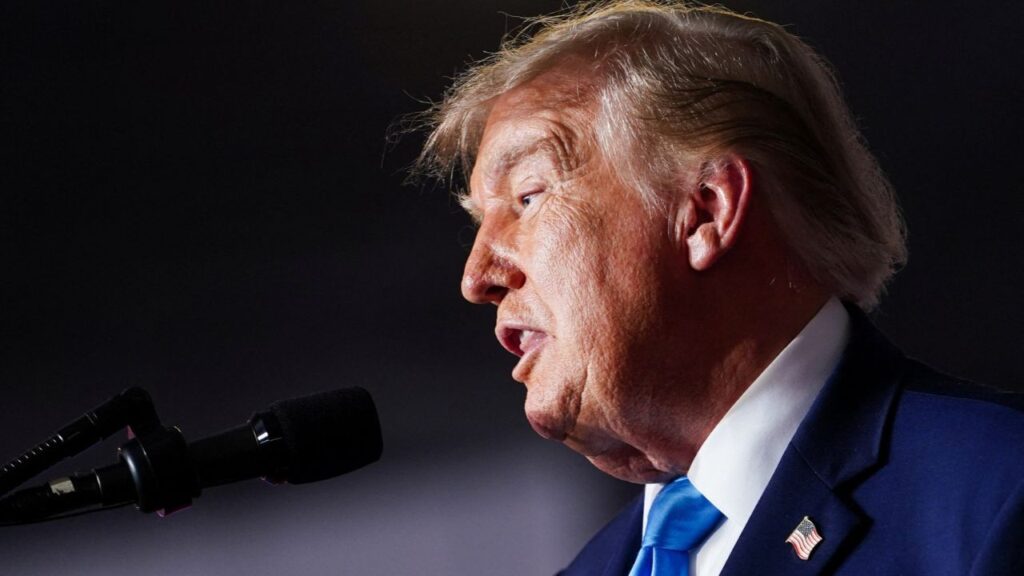
Prices came off their highs after US President Donald Trump said Washington was having productive discussions with Iran, and vowed not to attack the nation until after the November 3 US midterm elections.

Iran’s Tasnim news agency reported that Foreign Minister Abbas Araqchi said Tehran is reviewing the US response to its proposal that would reopen the Strait of Hormuz within seven days, saying it would reply within days.
However, the US imposed fresh sanctions on Iran on Thursday, targeting individuals, networks and 17 vessels for transporting Iranian crude, oil products and petrochemicals, the Treasury Department said, in an effort to increase economic pressure on Tehran.
France and Saudi Arabia are studying several options involving French military assets to help protect the Yanbu oil terminal, France’s Armed Forces Chief of Staff General Fabien Mandon said on Thursday.
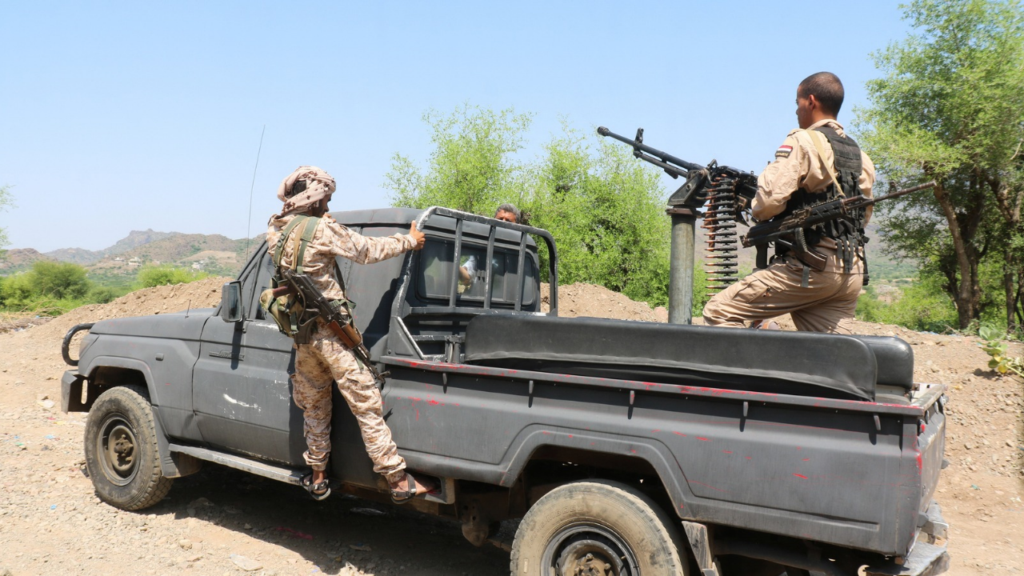
Syria was also considering providing military assistance to key ally Saudi Arabia for its conflict with the Iran-backed Houthis in Yemen, a US official and a Syrian military official briefed on the matter said. Options being considered include defensive aid or deployment of forces in an offensive capacity to help Saudi-backed Yemeni troops, the sources said.
Supply Disruptions Persist
On Wednesday, oil prices settled lower after the International Energy Agency agreed to accelerate the release of oil stocks and prioritize diesel supplies as governments grapple with record fuel prices and war-related supply disruptions.
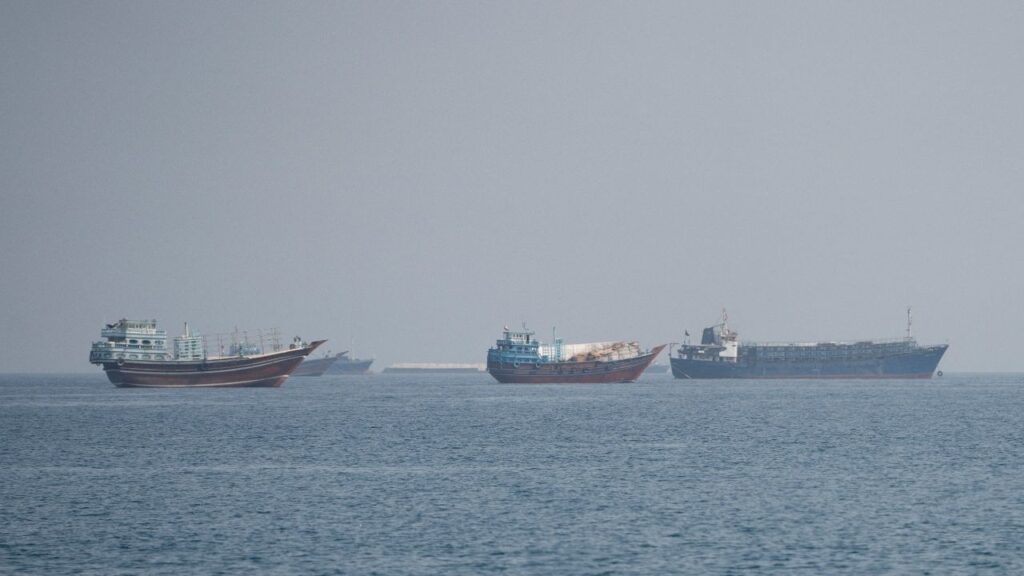
Threats to oil shipping in the Gulf and the Strait of Hormuz, which carried shipments equal to about 20% of global oil and fuel before the war, have increased in October as the Iran conflict enters its eighth month. Attacks on tankers sailing through the strait last week rose to their highest level since the war began, even as Gulf producers increased exports.
“The frequency of Iranian attacks on ships is now at the highest point since the war began, and likely to intensify further,” said Saul Kavonic, MST Marquee head of energy.
Hurricane Isaias
Hurricane Isaias moved toward US offshore production areas, prompting companies to shut platforms. US Gulf of Mexico oil and gas producers have shut in about 1.3 million barrels per day, or 62.9%, of current oil production as of Thursday, according to the US Marine Minerals Administration.
On Wednesday, Shell and Chevron said they were curtailing Gulf offshore operations, while BP said it has removed all personnel and shut production at its Na Kika and Thunder Horse platforms.
(Reporting by Nicole Jao in New York and Helen Clark in Perth; Editing by Christian Schmollinger, Joe Bavier, David Gregorio and David Gaffen)