


|
Getting your Trinity Audio player ready...
|
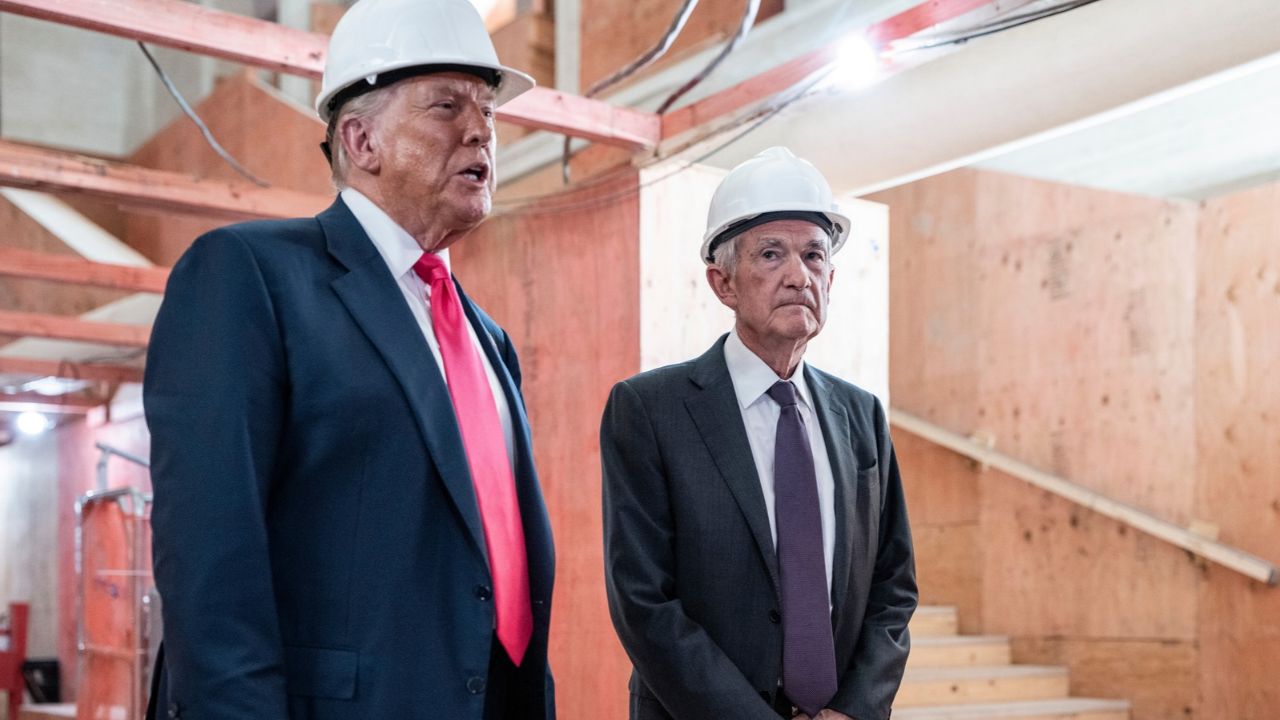
The Federal Reserve’s internal watchdog found no evidence of illegal behavior or administrative misconduct associated with the central bank’s nearly $2.5 billion project to overhaul its headquarters in Washington, D.C., even as it concluded that the renovations were poorly managed and lacked sufficient budget constraints.
In a sweeping 120-page report, the Fed’s independent inspector general on Wednesday provided the most comprehensive overview to date of what caused extensive cost overruns on the project, which has been underway since 2022. It identified a range of missteps, including the Board of Governors’ failure to obtain a total cost estimate until the work was well underway or to establish a “guaranteed maximum price.”
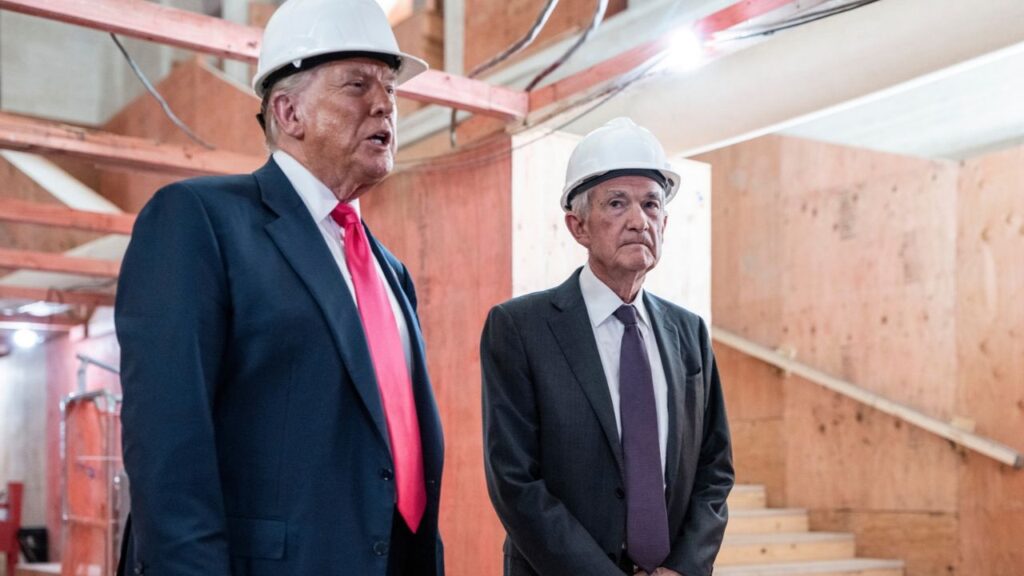
The project last year became a major front in President Donald Trump’s campaign to pressure the Fed into lowering interest rates. Trump repeatedly criticized Jerome Powell, who served as Fed chair until May, for the cost overruns and frequently raised the question of whether he had committed fraud as he floated the idea of firing him.

The Federal Reserve Act stipulates that the president can remove a sitting Fed official only “for cause,” which has long been interpreted to mean gross negligence or a dereliction of duty.
Trump’s attacks on Powell culminated in a criminal investigation led by the Justice Department over whether Powell misled Congress about the project.
The inspector general’s report undermined the Justice Department’s investigation, which was abandoned in April after a number of legal setbacks. The watchdog found no wrongdoing by Powell or his colleagues and it affirmed that no referrals were made to the U.S. Attorney General.
The report’s findings are significant given that Jeanine Pirro, U.S. attorney for the District of Columbia, had threatened to reopen the investigation at any point based on the inspector general’s findings. That possibility contributed to Powell’s decision to stay on as a governor after his term as chair expired, a position he can hold until January 2028. Kevin Warsh, who Trump handpicked to replace Powell, took over in May.
Wednesday’s report, which was commissioned by Powell in July 2025, was led by Michael Horowitz, who served as inspector general of the Justice Department before moving over to the Fed earlier that year. The document made clear that the Board of Governors, which has seven politically appointed, Senate-confirmed officials, was not engaged in the “day-to-day management of the renovation project.” Instead, those duties were delegated to staff members on the board’s Facility Services team.
The inspector general report found that the board did not obtain a project cost estimate until January 2026, 3 1/2 years after construction began and after more than $2 billion in construction costs had been earmarked. A guaranteed maximum price was never set, meaning there was no cap on spending nor built-in incentives to minimize costs.
One aspect of the construction project that received significant criticism was the inclusion of certain design features in a 2021 proposal such as new marble, a rooftop terrace and private dining rooms for top policymakers. When pressed at a congressional hearing in June 2025, Powell denied that many of those features were part of the latest proposal.
“There’s no VIP dining room. There’s no new marble. We took down the old marble, we’re putting it back up. We’ll have to use new marble where some of the old marble broke. But there’s no special elevators. There’s just old elevators that have been there,” he said at the time.
The inspector general’s report corroborated Powell’s statement, concluding that their investigators “did not find that these design features materially contributed to the substantial construction cost increases.”
Instead, they attributed the cost overruns in part to inflation, which the Fed had flagged as a foremost reason, but also to substantive design changes throughout the project, including the shift from an open-seating office plan to a closed-office arrangement.
In a letter to Horowitz on Tuesday, Warsh said that he had retained the help of the General Services Administration, which is the agency responsible for managing federal workspaces, to work with the Fed “in the task of finally bringing the renovations to a speedy and successful completion.” He also said that the Fed would work with an independent auditor on the construction costs and that he would “promptly complete negotiations for a guaranteed maximum price for the project.” He also said that staff would establish fixed metrics for the project’s budget and schedule.
—
This article originally appeared in The New York Times.
By Colby Smith/Haiyun Jiang
c. 2026 The New York Times Company