
|
Getting your Trinity Audio player ready...
|
The Trump administration acted legally and constitutionally when it labeled the artificial intelligence startup Anthropic a security risk and barred the company from working with the U.S. government, a federal appeals court in Washington ruled Friday.
In a 51-page decision, the U.S. Court of Appeals for the District of Columbia Circuit said the Pentagon had “ample support for its conclusion” in February that the AI company’s products could pose a national security risk.
In addition, the court wrote, Anthropic’s First Amendment rights were not violated because the Pentagon labeled the company a risk based on terms of a government contract and not the startup’s outspokenness.

“We reject” Anthropic’s challenges, the court wrote. The decision was made by a three-judge panel, with one judge dissenting.
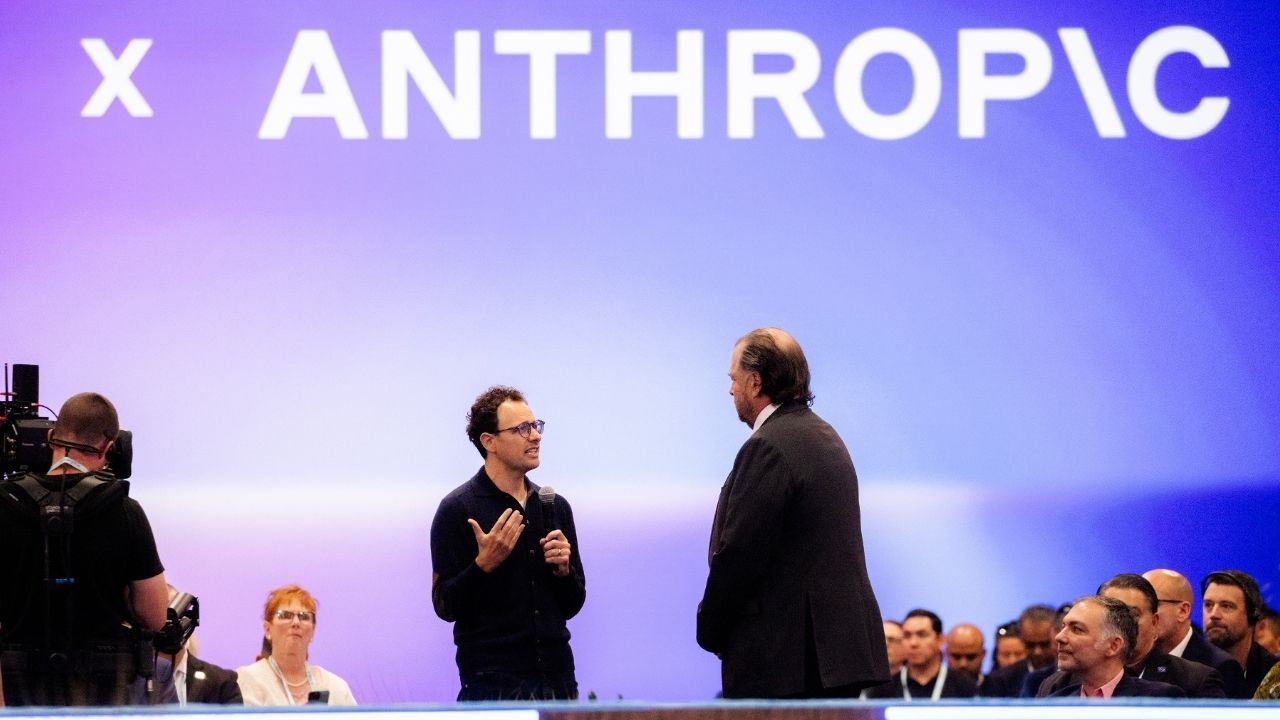
The ruling leaves Anthropic, which makes the Claude chatbot and has become one of the highest-profile AI companies in the world, in an awkward position. The San Francisco company had filed two lawsuits on March 9 in response to the Trump administration’s move to label it a security risk as part of a simmering dispute over how AI could be used in war.
In the other lawsuit, which was filed in the U.S. District Court in the Northern District of California, Judge Rita Lin ruled last month that the government had unlawfully retaliated against Anthropic “for constitutionally protected expressive activities” after the AI company spoke out about how its technology should be used.
But the ruling Friday from the Washington court means that Anthropic remains barred from working with the Pentagon.
An Anthropic spokesperson said the company was reviewing the court’s decision and was “considering all options.” The startup could appeal or ask that the ruling be reviewed by the full panel of 11 judges who sit on the federal appeals court.
The Pentagon did not immediately respond to a request for comment.
The Trump administration and Anthropic have been embroiled in a fight for months. The two sides came to blows at the start of the year over a $200 million contract to provide the Pentagon with AI technology on classified systems.
Anthropic insisted that its technology not be used in mass surveillance of Americans or for autonomous lethal weapons. The Pentagon said a private company could not establish policy for the U.S. government.
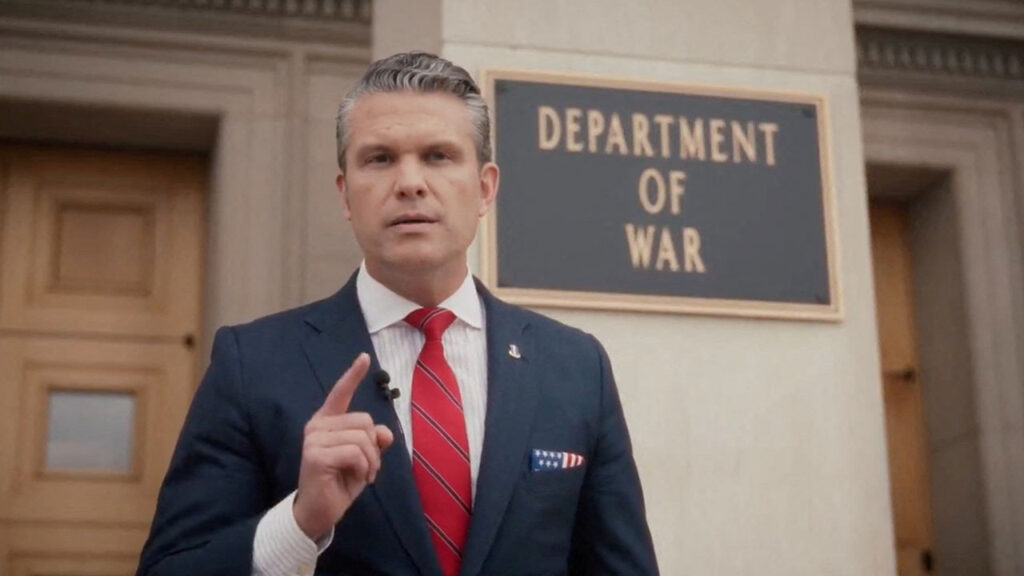
The two sides could not come to an agreement. Defense Secretary Pete Hegseth then announced that Anthropic was a “supply chain risk,” a formal designation that had previously been used only against foreign companies that the government deemed a national security risk. The designation meant no contractor or supplier that works with the military can do business with Anthropic.
Anthropic argued that the designation cost it billions of dollars in lost business and damaged its reputation ahead of a highly anticipated initial public offering. It also said that it was being punished for speaking up and that its First Amendment rights were violated. The company soon took its case to the two courts in California and Washington.
In Friday’s ruling, the federal appeals court in Washington concluded the government had acted reasonably when it found that Anthropic could manipulate its own technology to limit how it was used by the Pentagon.
“It is undisputed that Anthropic can and does control how Claude responds — or fails to respond — to user prompts,” the court wrote. When Anthropic delivered “new versions of the model” to the Pentagon, it could add new controls without the government’s knowledge, the court added.
The judges said they were not persuaded by Anthropic’s argument that the company could offer tests and demonstrations that would prove its AI model could follow commands given to it by the Pentagon.
It was ultimately too risky for the government to trust that Anthropic’s AI would not refuse a command, causing important military functions to fail, the judges said.
Judge Karen LeCraft Henderson, who was part of the three-judge panel, published a dissenting opinion on Friday saying the government interpreted the law about supply chain risks too broadly.
“I cannot agree that this is the scenario the Congress had in mind” when it put in place the laws defining which companies could be labeled a supply chain risk by posing a national security risk, she wrote.
—
This article originally appeared in The New York Times.
By Sheera Frenkel/Manuel Orbegozo
c. 2026 The New York Times Company