
|
Getting your Trinity Audio player ready...
|
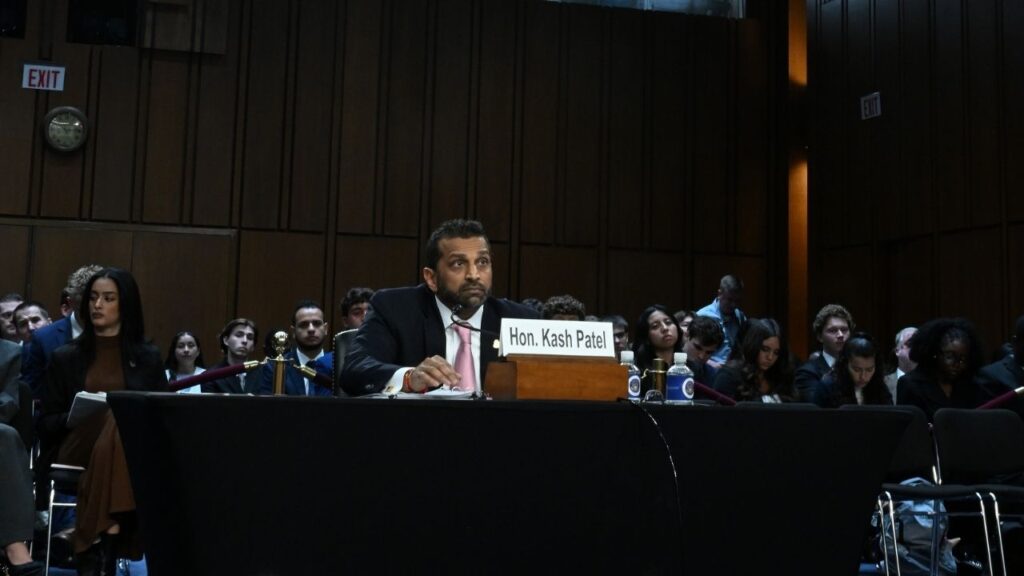
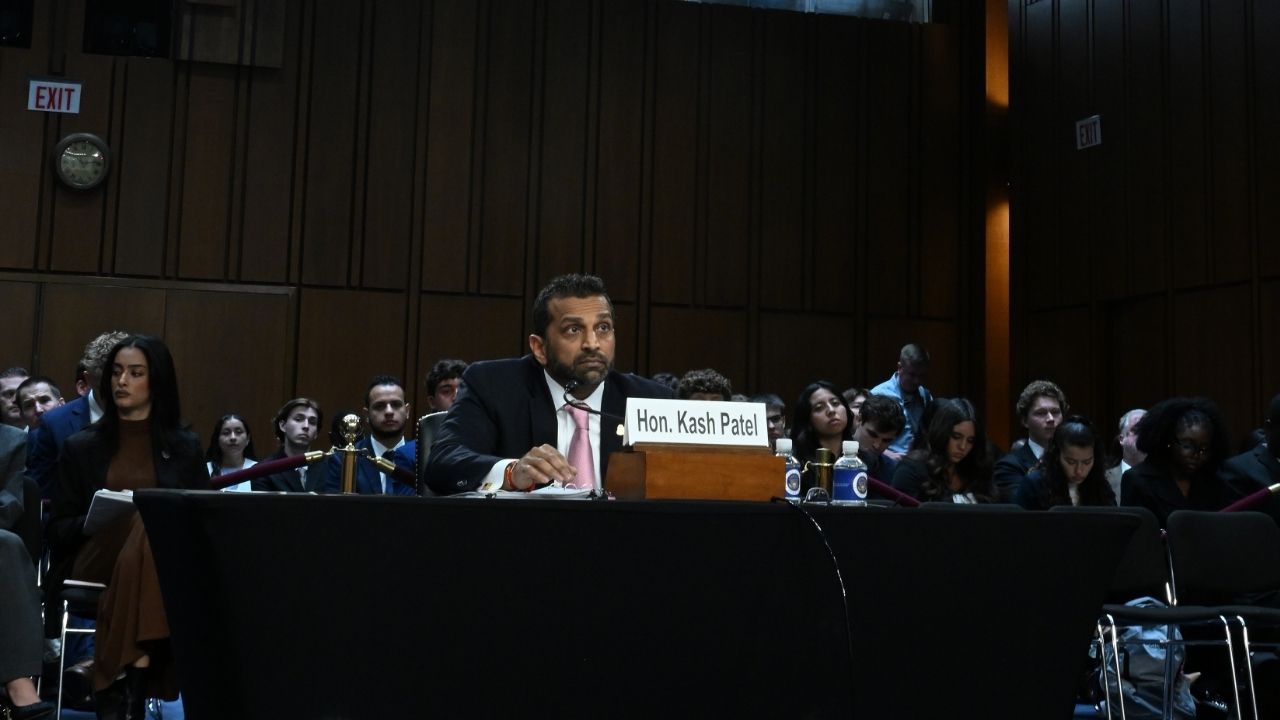
Kash Patel, the FBI director, temporarily halted some cooperation with the agency’s counterpart in Canada this month after the nation’s public broadcaster reminded its journalists of a long-standing policy not to refer to the Sept. 11 attacks as “terrorism” without attribution to experts, according to multiple officials with knowledge of the event.
The extraordinary move to punish the Royal Canadian Mounted Police appears to have been short-lived, and it was specific to the FBI. Other parts of the U.S. government involved in intelligence-sharing continued with their operations. And not every element of cooperation between the FBI and the mounted police was halted, according to the officials with knowledge of the matter, who spoke on the condition of anonymity to describe the sensitive law enforcement dynamics.
Still, the abrupt move by Patel risked disrupting FBI operations with Canada and jeopardizing the organization’s relationship with Canada’s national law enforcement agency, which works closely with the bureau on a wide range of issues, including terrorism and cybersecurity cases.

It came as President Donald Trump was ramping up pressure on Canada, hitting the longtime U.S. ally with punishing tariffs and taunting Prime Minister Mark Carney.
The Canadian Broadcasting Corp., whose policy on the use of the term “terrorism” drew Patel’s ire, is editorially independent from the Canadian government. The broadcaster swiftly reversed its stance on how to describe the Sept. 11 attacks once it drew attention late last month.
Nevertheless, FBI officials canceled meetings with their Canadian counterparts during the halt in cooperation, saying they would be out of touch for some time, leading to a chilling between the two agencies, according to officials with knowledge of the fallout.
A spokesperson for the FBI declined to comment. A White House spokesperson did not respond to questions about whether the president or his advisers knew about the pause in cooperation as it happened.
In a statement, the mounted police referred questions about the FBI’s intelligence-sharing practices to the bureau.
“We value our relationship with our U.S. counterparts, as we work closely to respond to threats to national security and maintain situational awareness of emerging risks,” the Canadian agency said.
Patel threatened Canada publicly in several social media posts in late August, in which he highlighted articles about CBC News reissuing long-standing guidance before the Sept. 11 anniversary about how to describe the events of that day.
The memo sent to CBC News staff members, which was obtained by a columnist at The Toronto Sun, was based on the news organization’s policy of attributing the description of “terrorism” to an expert or authority.
Patel wrote in his posts on the social platform X, “Any agency in Canada that doesn’t publicly reject this bastardization of history, and an insult to the souls lost during our largest terrorist attack in US history will no longer have friend in this FBI… Not to mention our heroes that responded in the aftermath.”
He added an American flag, followed by, “WE WILL NEVER FORGET 9-11.”
On Aug. 28, facing widespread criticism, the head of standards for CBC News issued updated guidance, saying that the term “terrorism” could in fact be used to describe what took place 25 years ago without the need for attribution.
Still, within days, some collaboration between the FBI and the mounted police stopped, according to people with knowledge of the events. It was not clear exactly how long the halt lasted, but it ended around the anniversary of the Sept. 11 attacks, according to the people with knowledge of the episode.
The Americans had sought some sort of apology, according to one of the people, although it is unclear if one was issued.
Since his return to the White House last year, Trump has repeatedly lashed out at Canada, insisting that the neighboring country should become the 51st state and accusing it of “ripping off” the United States.
But until now, there was no indication that the war of words and trade had affected traditional national security cooperation. U.S. allies around the world have long been concerned that the Trump administration could cut off intelligence or law enforcement sharing as the president seeks to gain leverage for his international agenda.
The CBC News policy on the use of the term “terrorism” states that the news organization and individual journalists should not label certain acts “terrorism,” but rather attribute such a designation to experts or officials. Many major news organizations have similar policies for breaking news events, but not for historical attacks that are well established as terrorism.
Marc Miller, Canada’s culture minister, said CBC News’ updated guidance that its journalists could describe the Sept. 11 attacks as terrorism brought a “welcome change to what was a piece of pedantic and foolish guidance that caused legitimate anger.”
Canadian government officials have traditionally described 9/11 as a terrorist attack in their communications, as did Carney in a statement last week. Twenty-four Canadians died in the attacks.
—
This article originally appeared in The New York Times.
By Maggie Haberman, Jane Bradley, Jonathan Swan, Adam Goldman and Matina Stevis-Gridneff/Kenny Holston
c. 2026 The New York Times Company