
|
Getting your Trinity Audio player ready...
|
Japan said it will raise the price of some tourist visas by more than 400% starting in July, the latest move in Prime Minister Sanae Takaichi’s campaign to tightly regulate entries by foreign nationals.
Foreign Minister Toshimitsu Motegi announced the changes Friday, saying in a news briefing that the changes were necessary after 48 years without a change. He cited factors including inflation and changes in exchange rates for the increase.
The fees will apply to travelers from more than 100 countries, including China, India and Vietnam, which were among Japan’s largest sources of visitors last year. They will go from paying about $18 to $93 for a single-entry visa, and from $37 to $186 for multiple entries.

Tourists from the United States and around 70 other countries will not have to pay the new fees because of visa exemptions. For now, those travelers can enter for free. In 2028, Japan plans to roll out an electronic system for visa-exempt travelers known as Jesta, the fee for which has not yet been set.
The revenue will subsidize the cost of passports for Japanese nationals, who will have to pay about $43 less in fees, according to Takaichi’s governing Liberal Democratic Party.
Takaichi won a snap election in February with a sweeping mandate from voters, who supported her hard-line positions on issues such as immigration and China’s growing economic and military clout.
Politicians in her party say that foreigners abuse tourist visas to stay indefinitely in Japan, a country that has long been cautious about immigration. Foreigners make up only about 3% of the population, but the numbers of permanent residents, students and skilled and unskilled workers has steadily increased since 2021, according to Japan’s Immigration Services Agency.
Yoichi Kinoshita, a former Immigration Bureau official who works as an adviser at a visa support agency, said the Takaichi government’s focus has shifted from reducing illegal immigration to targeting legal foreign residents.
“This harsh attitude toward foreigners really resonates with conservatives,” he said.
One example is a recent visa rule change that forced many foreign restaurant owners to shutter the small curry, fried rice and noodle restaurants they had set up around Japan.
In March, Takaichi’s Cabinet proposed an amendment to Japan’s immigration laws to increase residence permit fees. Applicants for permanent residence would have to pay as much as 300,000 yen, or more than $1,800, up from the current fee of around $60. The revenue collected from the fees would help to pay for services for foreign nationals including Japanese language training, the Immigration Bureau said at the time.
The bill was criticized by immigrants’ rights groups and the bar associations of Tokyo and Osaka, two of the largest organizations of lawyers in Japan.
“The government’s ‘foreigner policies’ are becoming increasingly strict, including easing requirements to revoke permanent resident status,” the Tokyo Bar Association said in a statement in May, arguing that the fee increase was a “sudden and excessive burden on foreign nationals.”
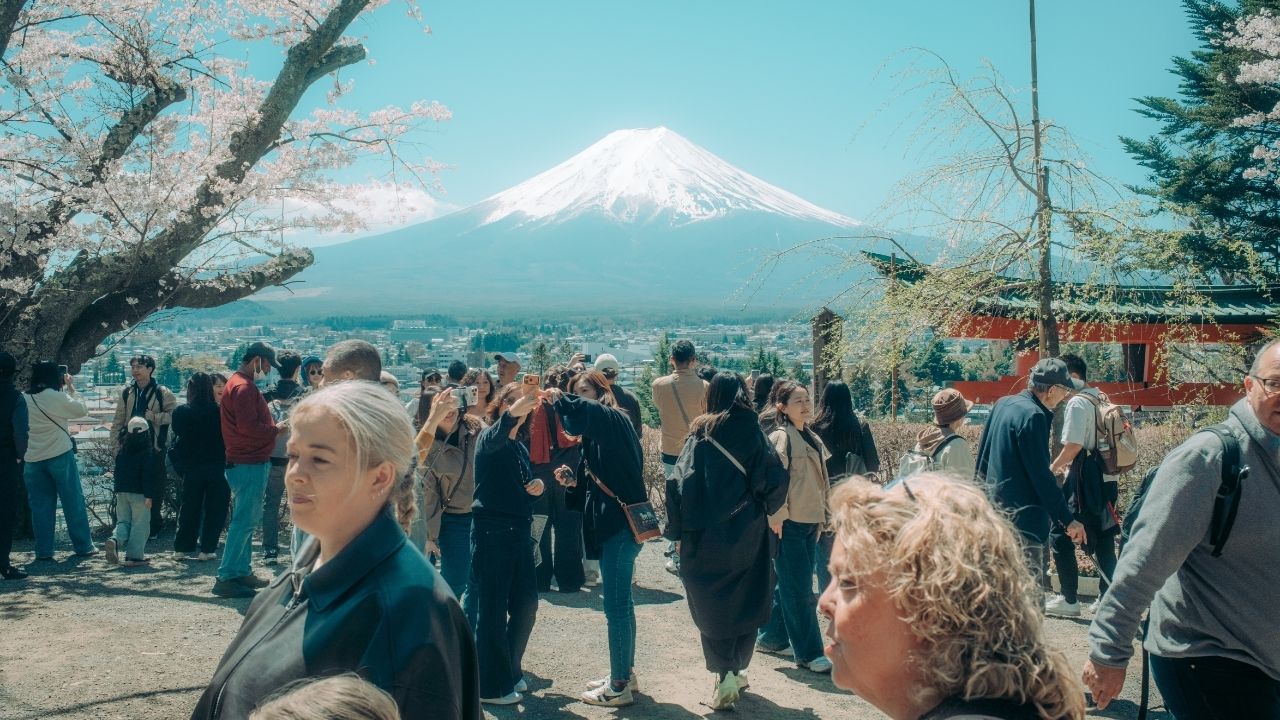
Takaichi’s party has drawn a link between excessive tourism and illegal immigration. Since Japan reopened to international tourism after the coronavirus pandemic, tourist areas in cities such as Tokyo and Kyoto have felt increasingly unmanageable to locals. Last year, the country reported a record 42.6 million visitor arrivals. Residents have complained about tourists littering, parking in driveways and crowding religious sites.
In a November meeting about coexisting with foreign nationals, Takaichi said tourism was “vitally important” to Japan’s economy, but that foreign visitors would not be allowed to misbehave.
“Illegal acts and deviations from the rules by some foreign nationals are causing anxiety and a sense of unfairness among the public,” she said. “While drawing a clear line against xenophobia, the government will respond firmly to such misconduct.”
Foreign visitor arrivals have been declining, according to the Japan National Tourism Organization. In May, they fell 3.6% compared with the same month last year. The largest drop was among Chinese tourists, who have cut back on their trips to Japan at a time when relations between the countries are strained.
—
This article originally appeared in The New York Times.
By Hisako Ueno and Francesca Regalado/Kentaro Takahashi
c. 2026 The New York Times Company