
|
Getting your Trinity Audio player ready...
|
WASHINGTON — The Trump administration is abandoning its plan to dismantle a $368 million ocean monitoring system critical to understanding climate change and marine ecosystems, bowing to a bipartisan backlash on Capitol Hill.
The National Science Foundation had said in May that it would begin removing hundreds of underwater instruments this month that collect data on coastal flooding, marine heat waves and other climate and weather events.
But the agency announced Thursday that it will pause efforts to take apart the system, known as the Ocean Observatories Initiative, while convening an expert panel to determine its future.

“Effective immediately, NSF will not proceed with further removal or descoping of equipment,” the agency said in a statement.
The Senate passed a measure Wednesday that would block the government from dismantling the system, with lawmakers in both parties warning that the action would be illegal and would threaten the safety of coastal communities. The Trump administration had also tried to cut the program’s funds the last two years, but Congress restored the money both times.
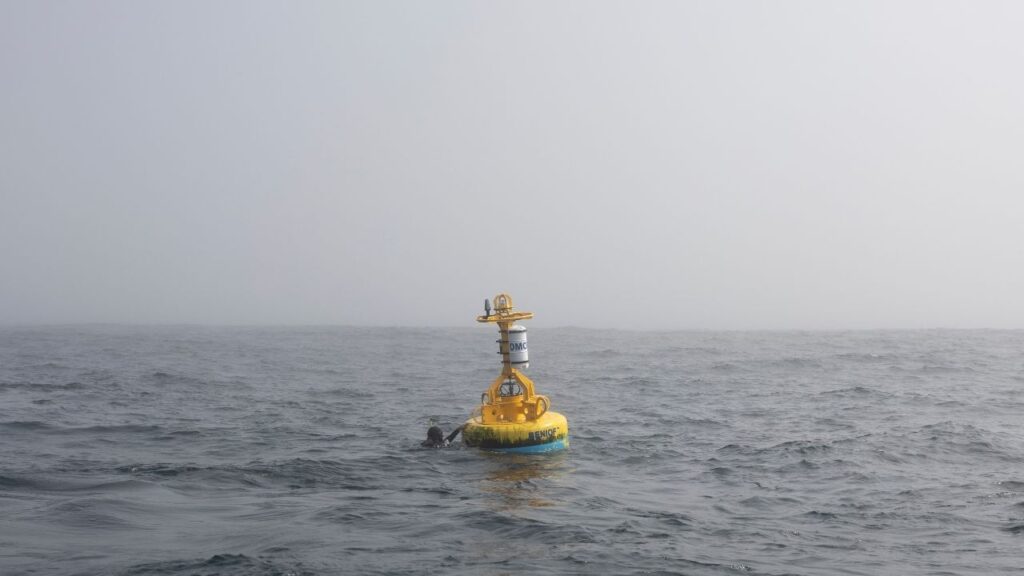
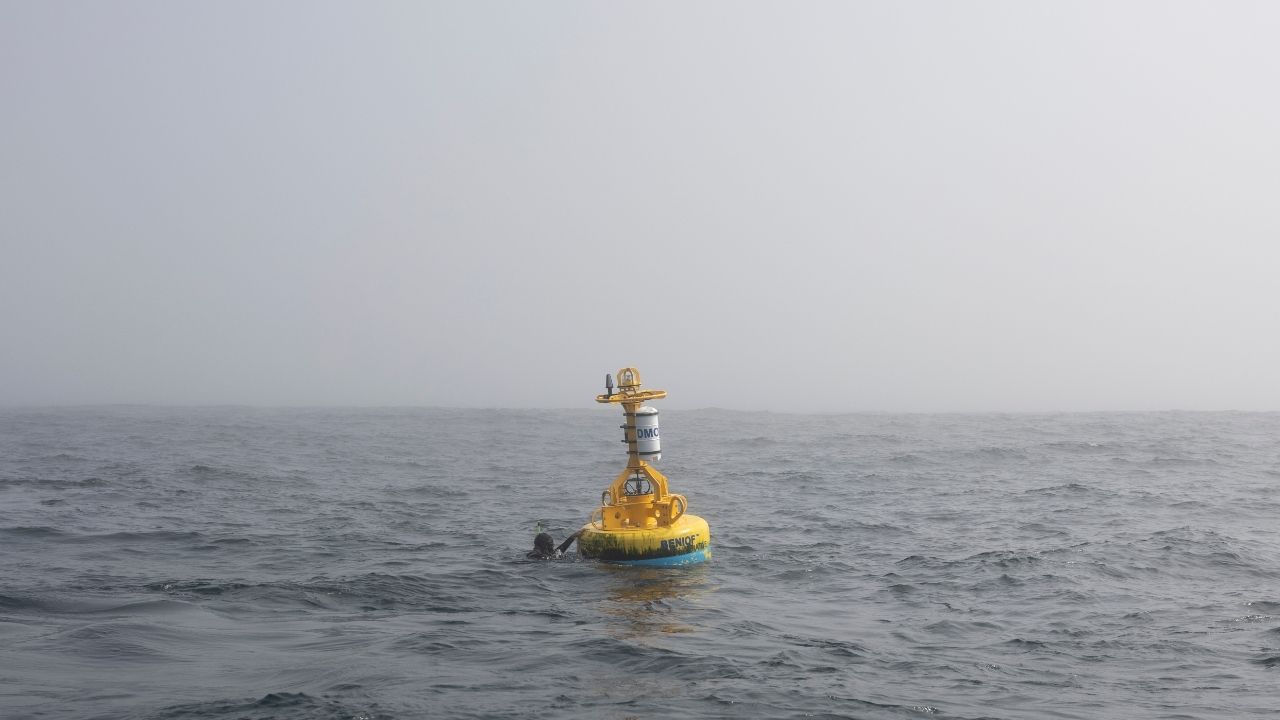
In May, the science foundation had said it would send ships to start pulling up instruments anchored to the seafloor off the coasts of Oregon, Washington state, Alaska, North Carolina, and an area between Greenland and Iceland known as the Irminger Sea.
For the past decade, scientists have used data from these instruments to understand how the ocean is absorbing greenhouse gases from the atmosphere, how marine heat waves could affect fisheries and how soon a vital ocean current could collapse.
Fishermen have also checked the real-time, publicly available data on wind and wave conditions before heading to sea. And meteorologists have used these observations to improve forecasts of disasters like hurricanes and tsunamis.
The National Science Foundation said Thursday that it already had pulled some buoys, sensors and other instruments from the water off the coasts of Oregon and Washington state, but it was “developing plans to redeploy the equipment after servicing.”
The Senate on Wednesday passed the measure to preserve the system by unanimous consent, essentially an agreement by all senators to bypass debate. Though the measure faced an uncertain fate in the House, it was the latest moment when Congress flexed its power of the purse to thwart the Trump administration’s attempts to cut climate and environmental programs.
The measure was sponsored by Sens. Jeff Merkley, D-Ore., and Lisa Murkowski, R-Alaska. In impassioned remarks on the Senate floor Wednesday, Murkowski said the network collected data crucial to understanding El Nino, the powerful weather pattern that formed this month in the tropical Pacific.
“This is all happening at a time when everybody’s talking about El Nino and what that is going to bring in terms of the potential for extreme weather events,” she said. “This is not the time to be turning off one of our most valuable scientific assets.”
El Nino is a natural phenomenon that occurs every few years and affects weather patterns globally. It has the potential to supercharge floods and droughts that are already intensifying because of climate change.
The National Science Foundation had said in May that dismantling the monitoring system would save $48 million in operating costs each year. But lawmakers had accused the administration of wasting the $368 million in taxpayer dollars that had funded the installation of the instruments in 2016. And the operating costs represent a tiny fraction of overall government spending.
“Dismantling the OOI was supreme stupidity,” Merkley said in a statement Thursday.
Rep. Zoe Lofgren of California, the top Democrat on the House Committee on Science, Space, and Technology, welcomed the administration’s reversal but said she would continue fighting to save the system.
“This pathetic scheme was illegal,” Lofgren said in a statement Thursday, adding, “My oversight team and I will be following closely what NSF does next. NSF’s next steps must be nothing short of replacing any of the instruments that have already been removed and ceasing all activities to descale until legitimate expert advice has been sought.”
Backlash had also come from overseas. After the Trump administration announced the plan to dismantle the system, the European Union said it would bolster its own observation of the world’s oceans with an investment of 92 million euros ($107 million).
Though that move had been planned long before the U.S. retreat, officials in Brussels emphasized the contrast.
“Extremely worrying signals are coming from the other side of the Atlantic,” Costas Kadis, the EU’s commissioner for fisheries and oceans, said at the time.
A spokesperson for Kadis did not immediately respond to a request for comment Thursday.
—
This article originally appeared in The New York Times.
By Maxine Joselow/Dexter Hake
c. 2026 The New York Times Company