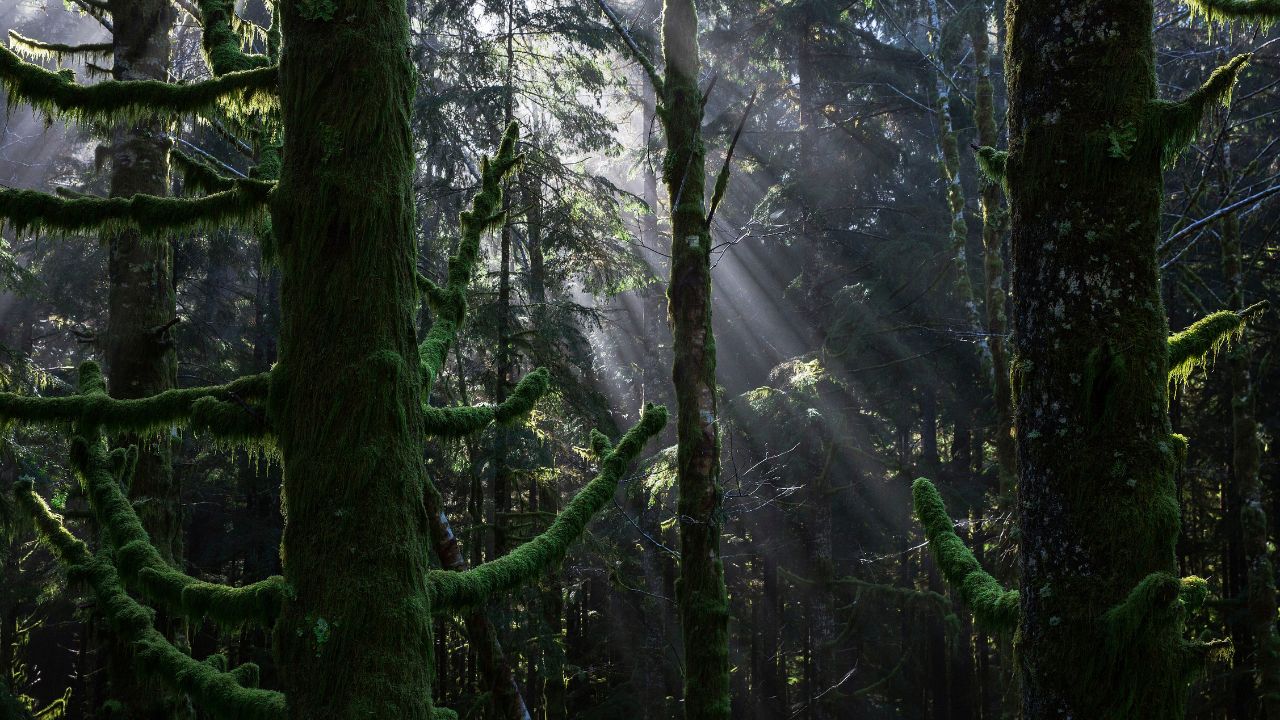

On July 11, 2000, a researcher in a remote area of Olympic National Park in Washington state discovered a human skeleton inside a tent. Nearby were binoculars, a JanSport daypack, a saw and small or medium-size winter gear.
But amid all the camping gear, there were no hints of the person’s identity.
This week, by matching DNA with relatives, the authorities were finally able to identify the skeleton. It was all that remained of Joseph Louis Serrao Jr., born Dec. 3, 1960.

“This case remained unresolved for nearly 30 years, but investigators never lost sight of the goal of identifying this individual and finding answers for his family,” Debra Flowers, the deputy chief of the park service’s investigative branch, said in a statement.
Flowers said she hoped the breakthrough would bring “some measure of closure to those who have spent so many years wondering what happened to Joseph.”
The coroner’s office in Clallam County, Washington, where the body was found, said Friday in an email that the cause of death was a gunshot wound to the head, and described the manner of death as a suicide.
A member of the Serrao family, speaking on the family’s behalf, said by telephone on Friday that they had no comment about the identification. “The only concern is bringing him back home,” the family member said.
As with many cold cases, identifying Serrao has presented a starting point for family members and investigators to unlock the mystery of the days before he died in a sleeping bag along the Sol Duc River.
After Serrao’s remains were discovered in 2000, they were transported to the medical examiner’s office of King County, Washington, the park service said. Investigators were unable to develop usable fingerprint impressions, but a pathologist determined that the skeleton belonged to a man between 30 and 50 years old who had been dead for a period of six months to four years.
Although his name eluded investigators, the park service said, the remains were assigned an identity, UP11888, in a national database of missing and unidentified people in the United States.
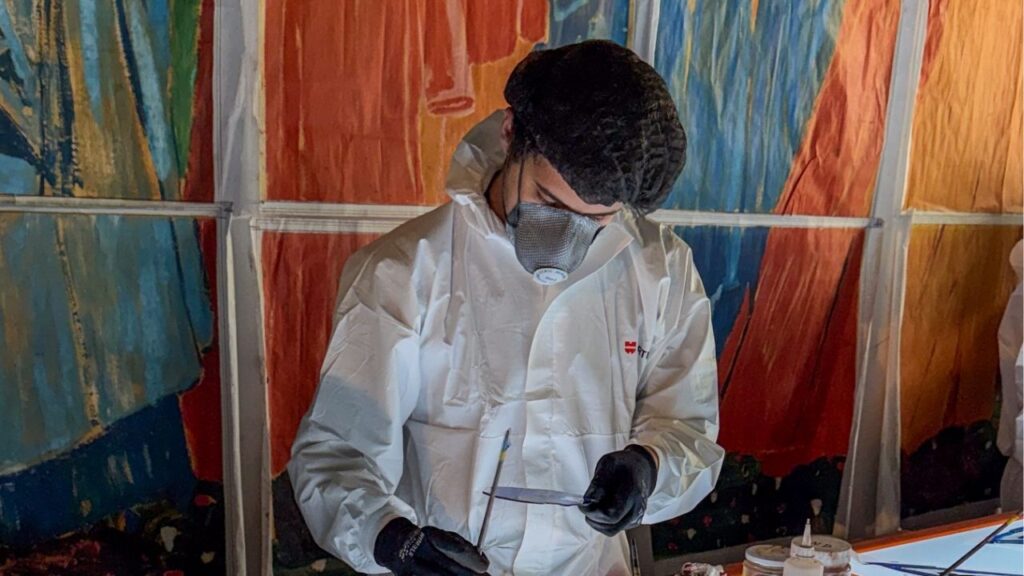
In 2024, a forensic anthropologist with the medical examiner’s office submitted a DNA sample from the remains to Othram, a Texas company that works with law enforcement authorities on crimes and cold cases, some more than 100 years old.
Advances in DNA technology have enabled scientists to build a genetic profile from human remains that could otherwise not be identified. Investigators can match the information to potential relatives’ genetic profiles, which can help investigators identify suspects or solve cold cases.
In a statement, Othram said it built a DNA profile of the individual, leading to relatives in Hawaii and other states, who shared samples of their own DNA, the park service said.
The genetic, genealogical and circumstantial evidence led to Serrao, the park service said. It included DNA analysis from first cousins on his mother’s and father’s sides, the park service said in reply to questions.
Serrao, originally from Hawaii, had a last known address in Washington state, according to a public records database. An item in the Hawaiian Tribune-Herald in 1993 reported that his father, Joseph Louis Serrao, Sr., 65, died on Oct. 27, 1993, in Hilo, Hawaii.
After they were contacted by investigators, his family members said their last contact with the younger Serrao was in 1998, and “they had not heard from him since,” the park service said.
–
This article originally appeared in The New York Times.
By Christine Hauser/Ruth Fremson
c. 2026 The New York Times Company