
|
Getting your Trinity Audio player ready...
|
WASHINGTON — In the U.S. military, commanders do not typically speak publicly about future operations to avoid tipping off an adversary or jeopardizing the mission’s success and, possibly, American lives.
But that has not dissuaded America’s commander in chief from proclaiming when and how the United States will next attack Iran.
For the second day in a row, President Donald Trump on Thursday threatened in a social media post that the United States would hit Iran “VERY HARD TONIGHT” and may soon take Kharg Island, the heart of Iran’s oil economy.

Trump said the same thing Wednesday, and hours later, American warplanes and Tomahawk missiles struck dozens of Iranian radars, air defenses and other military targets in the Strait of Hormuz and elsewhere around the country.
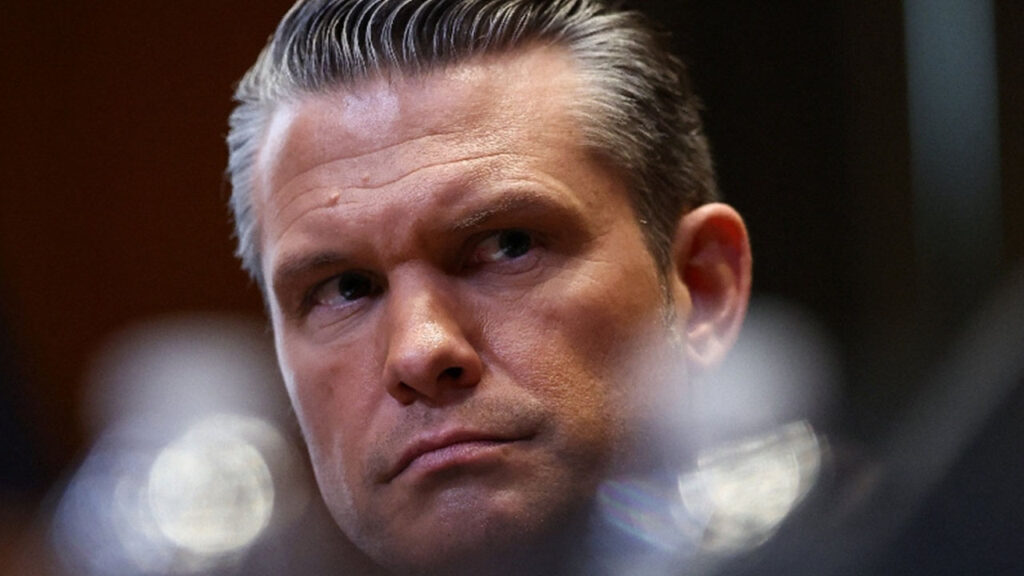
On Wednesday, Defense Secretary Pete Hegseth, who has criticized reporters for asking about future operations, suddenly decided it was OK to forecast U.S. bombing raids.
“So those strikes that will happen tonight will be strong. They will be clear,” Hegseth told reporters traveling with him to the headquarters of U.S. Central Command in Tampa, Florida, which oversees military operations in the Middle East. “If they happen to happen tomorrow night, they will be strong, and they will be clear.”
Trump and Hegseth said they were telegraphing the U.S. strikes — just a day after two Army aviators were plucked from the ocean by a sea drone after Iran downed their Apache helicopter gunship — to pressure the government in Tehran to reach a deal to open the Strait of Hormuz, which Iran has effectively blocked for months.
“President Trump is a deal-maker, the best in the world,” Hegseth said. “He’s prepared to make that deal. Iran would be wise to take it. Otherwise, they would have to deal with the types of plans that I just had a chance to see inside Central Command.”
—
This article originally appeared in The New York Times.
By Eric Schmitt
c. 2026 The New York Times Company