
|
Getting your Trinity Audio player ready...
|
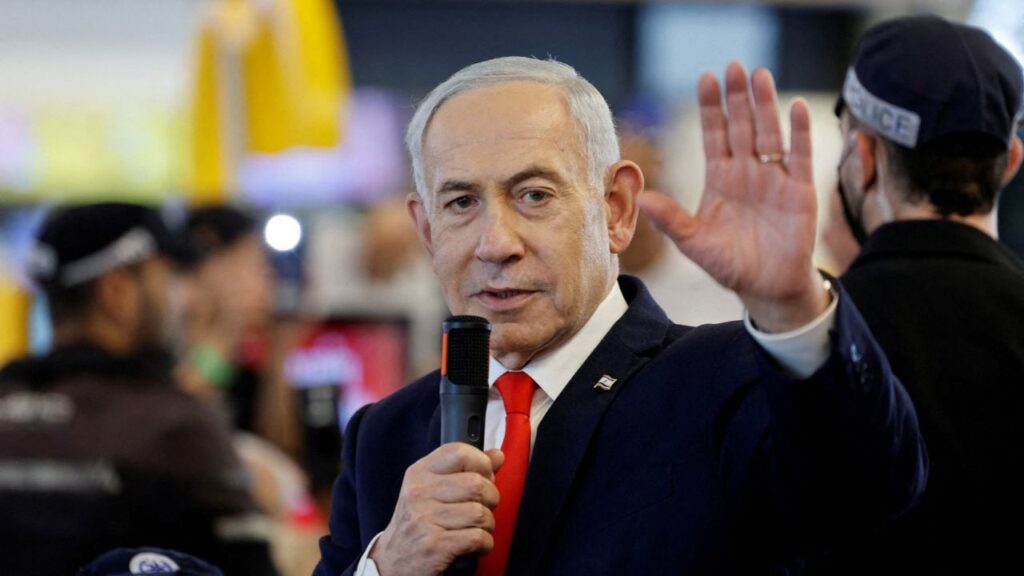
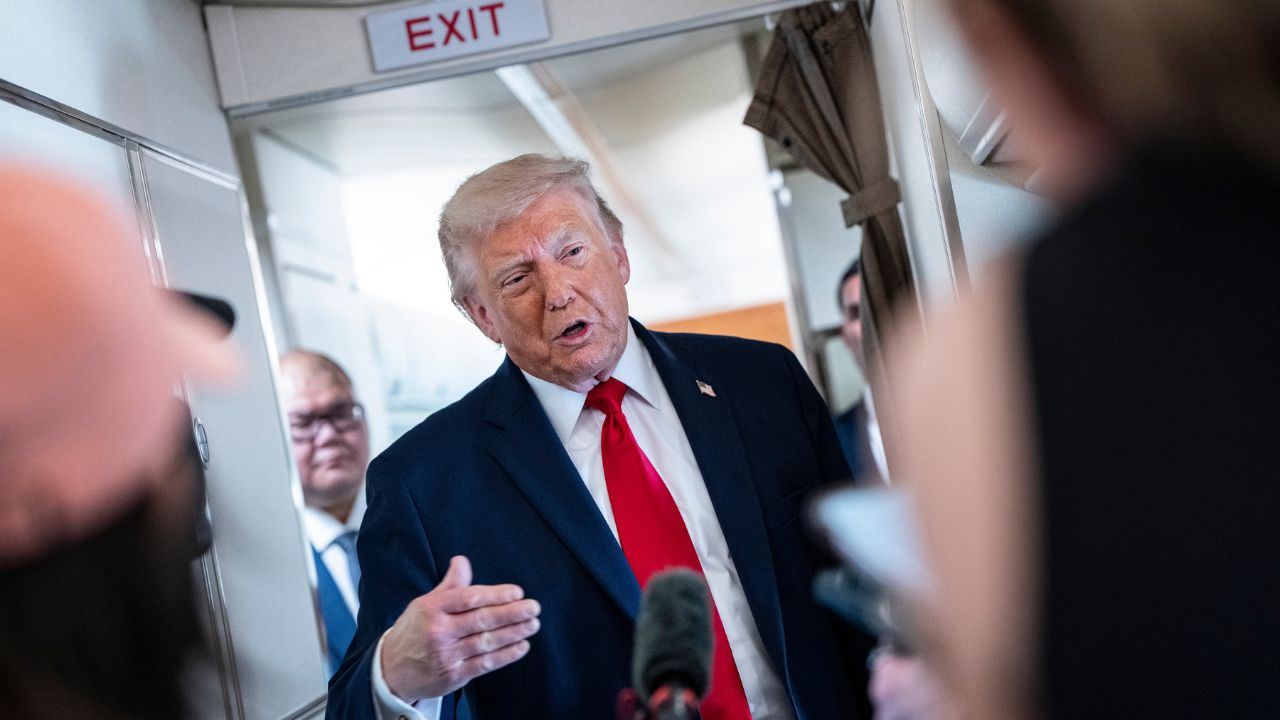
President Donald Trump made clear Monday that he was not happy with Israel’s new attacks on Iran, the latest in a string of criticisms that have raised questions about whether the allies are on the same page when it comes to wars that Washington is trying to end.
Iran and Israel traded attacks Sunday and Monday for the first time since a ceasefire was reached in April. The flare-up showcased just how wide the divide between the U.S. and Israeli leaders has grown since they decided to jointly launch their offensive against Iran in late February.
On Monday, Trump called in a social media post for both Israel and Iran to “immediately stop” their attacks. And he pressed Prime Minister Benjamin Netanyahu of Israel, in a phone call, to back off on new strikes on Iran, according to a senior U.S. official and two Israeli military officials, speaking on condition of anonymity because they were not authorized to discuss the conversation.

Netanyahu was instrumental in persuading Trump to go to war with Iran, even attending a Situation Room briefing with the president at the White House a few weeks before it began.
Trump appears to have since soured on the hostilities, insisting anew Monday that peace negotiations were nearing a resolution, “subject to ignorance or stupidity getting in its way.”
Hasan Alhasan, an expert in Middle East policy at the International Institute for Strategic Studies, said that while Israel influenced Trump’s decision to go to war with Iran, the president appears so far to have only limited ability to rein in Netanyahu’s battlefield decisions.
“Trump has actually been quite amenable to Israel’s prodding and pushing, and I think they’ve managed to steer his policy on Iran generally in their favor until it became clear that the proposition that they had sold him wasn’t really going anywhere,” Alhasan said.
“It’s going to take more than an angry phone call from Trump to really bring about significant behavioral change from Netanyahu’s government,” he added.
Iran attacked Israel on Sunday in retaliation for an Israeli strike the same day on the outskirts of the Lebanese capital, Beirut, a stronghold of Iran-backed Hezbollah. The Israeli attack followed Hezbollah rocket fire from Lebanon into northern Israel.
It was only the third Israeli attack on the Dahiyeh neighborhood since the U.S. brokered a ceasefire in mid-April.
It is not clear whether the Trump administration condoned Israel’s strikes on Lebanon or Iran over the past two days. But several experts on Monday said they doubted Trump could have stopped the latest attack on Iran, even if he wanted to.
Israel’s leaders have long described attacks on enemies as acts of self-defense.
While Israel’s defense minister as recently as April suggested that his government was “only waiting for the green light from the U.S.” to bomb Iran into oblivion, Netanyahu might have gone ahead with Monday’s strikes on Iran even if Trump opposed it.
Analysts said that successive U.S. administrations have not imposed major consequences for Israel for upending broader diplomatic deals. That has emboldened Israel to take unilateral military action, they said.
“It would make more sense though that rather than asking formally, getting a no, and doing it anyway,” said Nathalie Tocci, a Mideast expert and professor at Johns Hopkins University School of Advanced International Studies in Italy.
In April, Trump pressed Netanyahu into a ceasefire agreement for Lebanon after devastating Israeli attacks near Beirut. Netanyahu grudgingly acquiesced, though Israeli forces continued to push into Lebanon.
By May, Netanyahu increasingly found himself on the sidelines of negotiations to end the war on Iran — so much so, U.S. defense officials said this past weekend, that Israel increased its spying on the Trump administration to better understand the U.S. position.
During a June 1 phone call between the two leaders, Trump called Netanyahu “crazy,” Trump later confirmed, describing himself as “a little bit perturbed at his constantly fighting with Lebanon.”
In a television interview with NBC News aired Sunday, Trump said he would prefer for Lebanon to “have a better life.” Asked whether he and Netanyahu saw eye to eye on the issue, Trump said they disagreed on “a couple” of things.
—
This article originally appeared in The New York Times.
By Lara Jakes/Haiyun Jiang
c. 2026 The New York Times Company