
|
Getting your Trinity Audio player ready...
|
Oil prices dipped on Thursday after Iran’s state media said about 30 vessels had crossed the Strait of Hormuz in recent hours while the semi-official Fars news agency cited a source saying Iran had begun allowing transit for some Chinese vessels.
Meanwhile, the White House, speaking of U.S. President Donald Trump’s meeting with Chinese President Xi Jinping, said both leaders agreed the Strait of Hormuz must be open for the free flow of energy. Xi said the “rejuvenation of China” and “Make America Great Again” can go hand in hand.
Easing from an earlier high of $107.13 a barrel, Brent crude oil futures were down 60 cents, or 0.6%, to $105.03 a barrel at 1422 GMT. U.S. West Texas Intermediate futures dropped 52 cents, or 0.5%, to $100.50.

Both contracts fell on Wednesday as investors worried about possible U.S. interest rate hikes as higher fuel prices spur inflationary pressures. Brent crude futures lost more than $2 a barrel, while WTI futures dropped more than $1.
Xi expressed interest in purchasing more U.S. oil to reduce China’s dependence on the Strait of Hormuz, according to the White House. China, never a big buyer of U.S. crude, has not imported any since May 2025 due to a 20% import tariff imposed during the trade war.
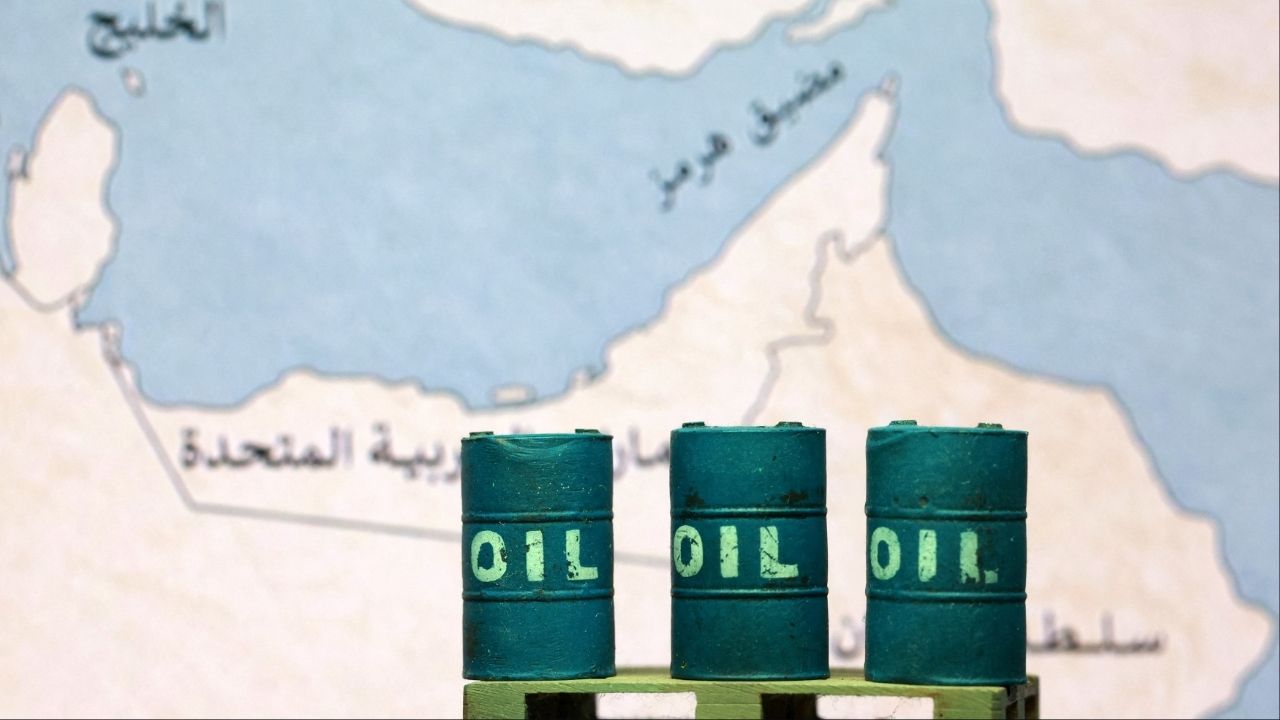
The Strait of Hormuz, a key energy gateway, has been largely shut since the Iran war broke out at the end of February.
Iran appears to have tightened its control over the strait, cutting deals with Iraq and Pakistan to ship oil and liquefied natural gas from the region.
Before the Fars report, a Chinese supertanker carrying 2 million barrels of Iraqi crude sailed through the strait on Wednesday after being stranded in the Gulf for more than two months.
A Panama-flagged crude oil tanker managed by Japanese refining group Eneos has also passed through the strait, ship-tracking data from LSEG showed on Thursday, the second instance of a Japan-linked oil ship making it through.
Global oil supply will fall short of total demand this year as inventories are drained at an unprecedented pace, the International Energy Agency said on Wednesday.
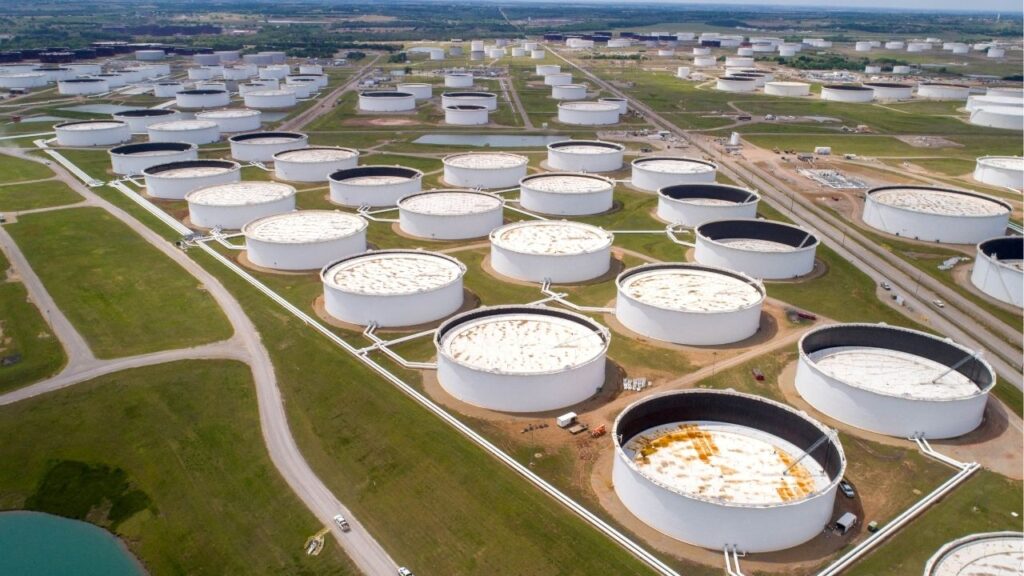
In the United States, crude inventories fell by 4.3 million barrels to 452.9 million barrels for the week ended May 8 on rising exports, the EIA said, although distillates stockpiles rose, in opposition to expectations of a draw. [EIA/S]
—
(Additional reporting by Stephanie Kelly in London, Sam Li in Beijing and Siyi Liu in Singapore. Editing by Kirsten Donovan, Louise Heavens and Mark Potter)