
|
Getting your Trinity Audio player ready...
|
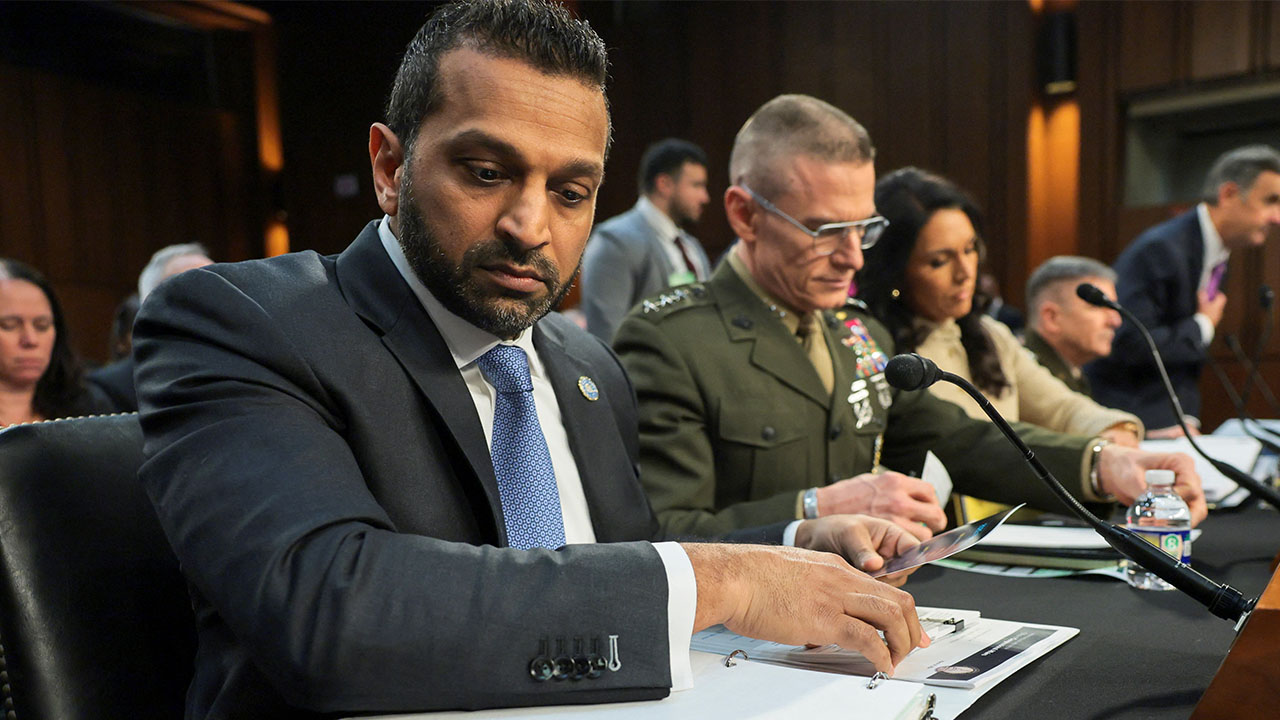
The FBI began investigating a New York Times reporter last month after she wrote about the bureau’s director, Kash Patel, using bureau personnel to provide his girlfriend with government security and transportation, according to a person briefed on the matter.
Agents interviewed the girlfriend, queried databases for information on the reporter, Elizabeth Williamson, and recommended moving forward to determine whether Williamson broke federal stalking laws, the person said.
Those actions prompted concerns among some Justice Department officials who saw the inquiry as retaliation for an article that Patel and his girlfriend, Alexis Wilkins, did not like, and who determined there was no legal basis to proceed with the investigation, according to the person briefed on the matter.

In response to questions from the Times this week, the FBI said that “while investigators were concerned about how the aggressive reporting techniques crossed lines of stalking,” the FBI is not pursuing a case.
The scrutiny of Williamson is an example of the Trump administration examining whether to criminalize routine news gathering practices that are widely considered protected by the First Amendment.
In preparing the article about Patel and Wilkins, Williamson followed normal procedures for a journalist working on a story, which typically involve reaching out to the subject and seeking a variety of perspectives. In this case, Williamson contacted numerous people who had worked with or knew Wilkins.
Williamson had one phone call at the beginning of her reporting process with Wilkins — Wilkins insisted that it be off the record — and exchanged emails with her before publication of the article. At that early stage in her reporting, Williamson asked Wilkins to provide a list of people she might speak to for the article, but Wilkins did not respond.
Williamson was never in Wilkins’ presence.
Joseph Kahn, the executive editor of the Times, criticized the bureau for investigating a reporter for doing her job.
“The FBI’s attempt to criminalize routine reporting is a blatant violation of Elizabeth’s First Amendment rights and another attempt by this administration to prevent journalists from scrutinizing its actions,” Kahn said. “It’s alarming. It’s unconstitutional. And it’s wrong.”
The Times article, published Feb. 28, described how Wilkins has a full-time protective detail of Special Weapons and Tactics team members drawn from FBI field offices around the country to accompany her to engagements including singing appearances and a hair appointment.
The disclosure intensified questions over Patel’s use of taxpayer-funded resources for personal use, not long after he drew headlines for celebrating in Milan with the U.S. men’s hockey team after its gold medal victory in the Olympics.
In a statement provided for the Feb. 28 article, a spokesperson for the FBI said that active death threats against Wilkins warranted the level of protection she was receiving, but he did not question the accuracy of Williamson’s reporting.
The inquiry into Williamson played out in the days and weeks following publication of the article.
On the day of the article’s publication, Wilkins received a threatening email from an anonymous sender. Wilkins forwarded the email the same day to the FBI, according to an affidavit later filed in a criminal prosecution of the alleged sender of the email, who was in Boston. According to the affidavit, the sender acknowledged emailing the threat after reading the article by Williamson.
Several days later, the FBI interviewed Wilkins, who told them how the reporting Williamson had done for the article had left her unnerved and feeling harassed, according to the person familiar with the matter. Wilkins had raised similar concerns with the FBI as early as January, when Williamson first contacted her, the person said.
A lawyer for Wilkins also wrote to editors of the Times before the article’s publication, saying that extensive reporting by Williamson “raises troubling questions about proportionality and journalistic purpose.”
Following the interview with Wilkins, the FBI combed through the bureau’s databases to determine whether the federal government had any information on Williamson to help make the argument that she deserved further scrutiny, according to the person familiar with the matter.
The FBI cited statutes dealing with stalking and with targeting someone with threats to their safety and reputation to justify investigating Williamson, the person said.
After that initial stage of inquiry, FBI agents recommended moving forward with a preliminary investigation, the person said. At that point, the FBI appears to have run into obstacles at the Justice Department, where officials determined there was no legal basis to proceed, according to the person briefed on the matter.
Neither the Times nor Williamson was informed of the steps taken by the FBI to look into her and her reporting. Williamson declined to comment.
Asked about the sequence of events, a spokesperson for the FBI said it was “false” that the bureau had ever investigated Williamson. He said the inquiries were spurred by the threat Wilkins had received after the publication of the Feb. 28 article.
“Ms. Wilkins was interviewed by FBI agents in relation to a death threat in Boston, which specifically referenced an article published by Williamson the previous day,” the spokesperson said in an emailed reply. “During this questioning, the agents inquired about the related reporting. While investigators were concerned about how the aggressive reporting techniques crossed lines of stalking, no further action regarding Williamson or the reporting was ever pursued by the FBI.”
The spokesperson did not respond to questions about whether Patel was aware of the inquiry into Williamson or whether he condoned the use of government resources to examine routine news gathering activities by a reporter.
In social media posts in January, before the article was published, and in April, as the Times continued to report on Patel’s use of government resources, Wilkins accused Williamson of stalking her, calling her out for conduct that is considered routine for reporting.
A supervisory agent at the FBI’s headquarters in Washington who oversees violent crime investigations was involved in the early stages of the inquiry into Williamson, according to the person familiar with the matter.
The involvement of the bureau’s headquarters is notable. Dating back to the investigations of Hillary Clinton and her use of a private email server and President Donald Trump’s ties to Russia, Trump’s allies have contended that the involvement of FBI officials in Washington, rather than employees from field offices, allows for political influence.
Trump’s hostility toward journalists is a hallmark of his time in office, and Patel shares his adversarial stance. Before becoming FBI director, Patel equated journalists to the “most powerful enemy that the United States has ever seen” in a 2024 speech.
—
This article originally appeared in The New York Times.
By Michael S. Schmidt
c. 2026 The New York Times Company