
|
Getting your Trinity Audio player ready...
|
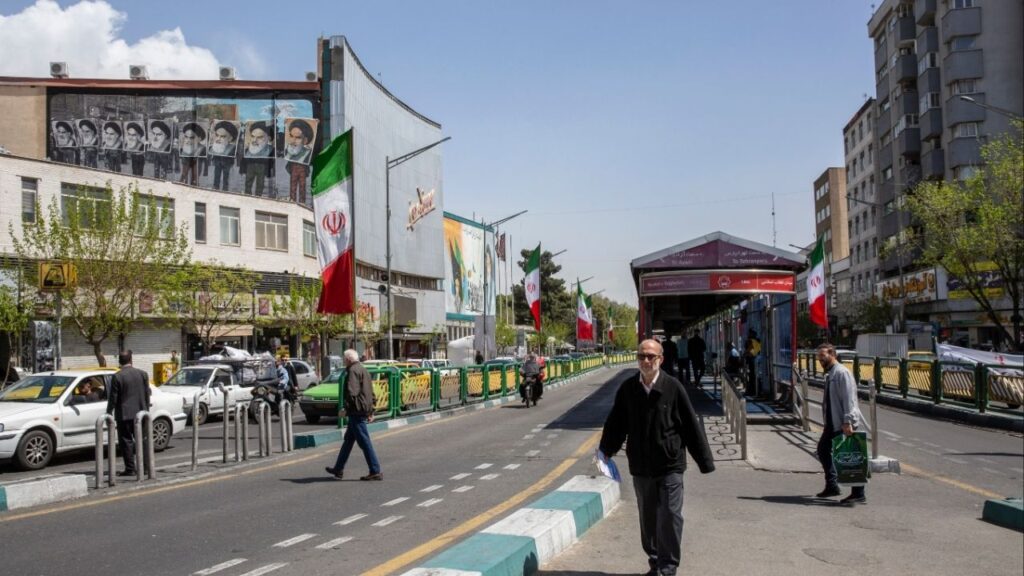
WASHINGTON — Power plants, desalination stations, oil wells, roads, bridges and other infrastructure.
They are the foundations of civilian life in Iran, and their destruction by American and Israeli forces would cause widespread suffering among the country’s 93 million people — and in most cases would be considered a war crime under international law.
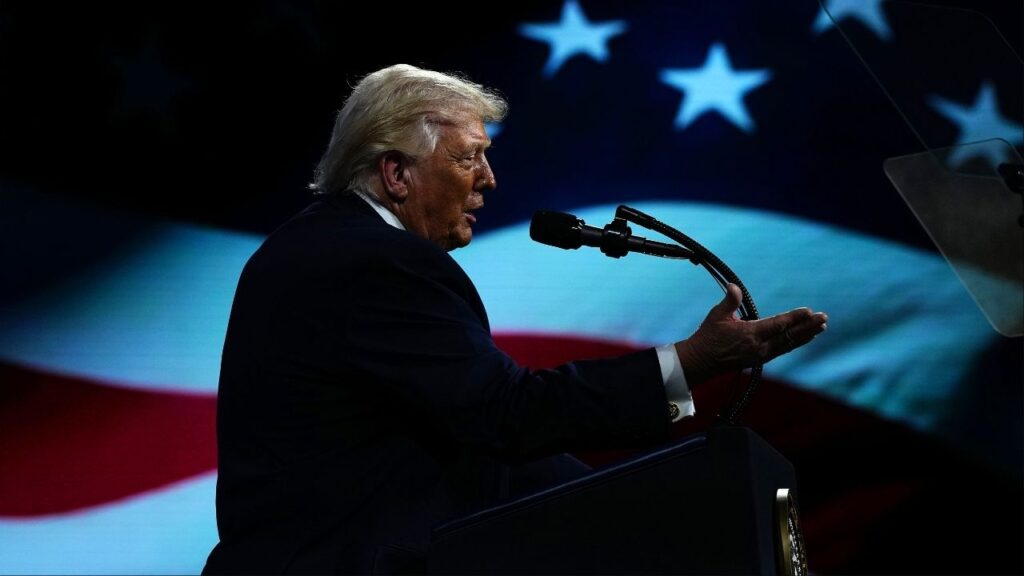
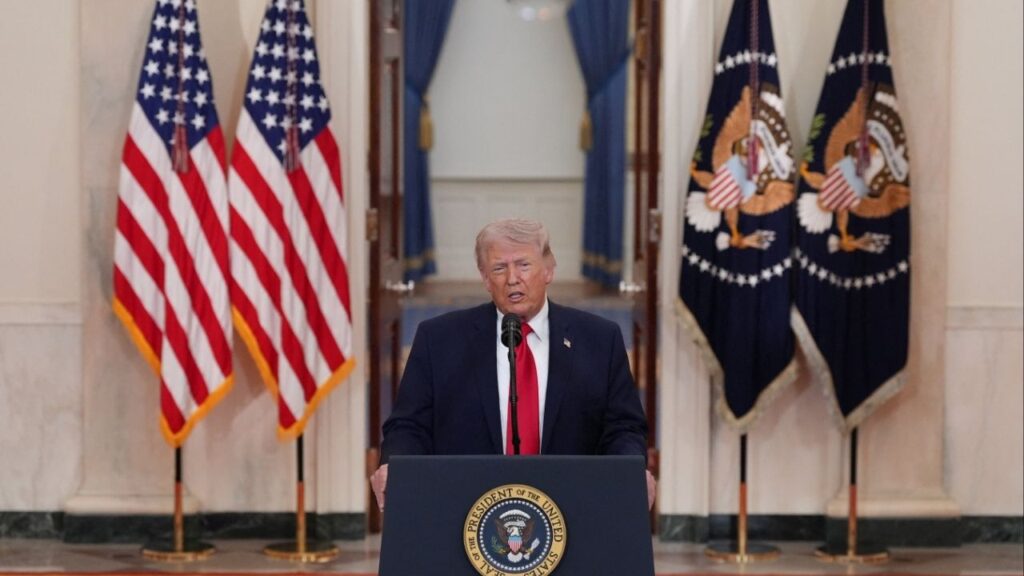
Yet President Donald Trump has repeatedly threatened to do exactly that, with the aim of sending Iran “back to the Stone Ages, where they belong,” as he put it in a speech on Wednesday.

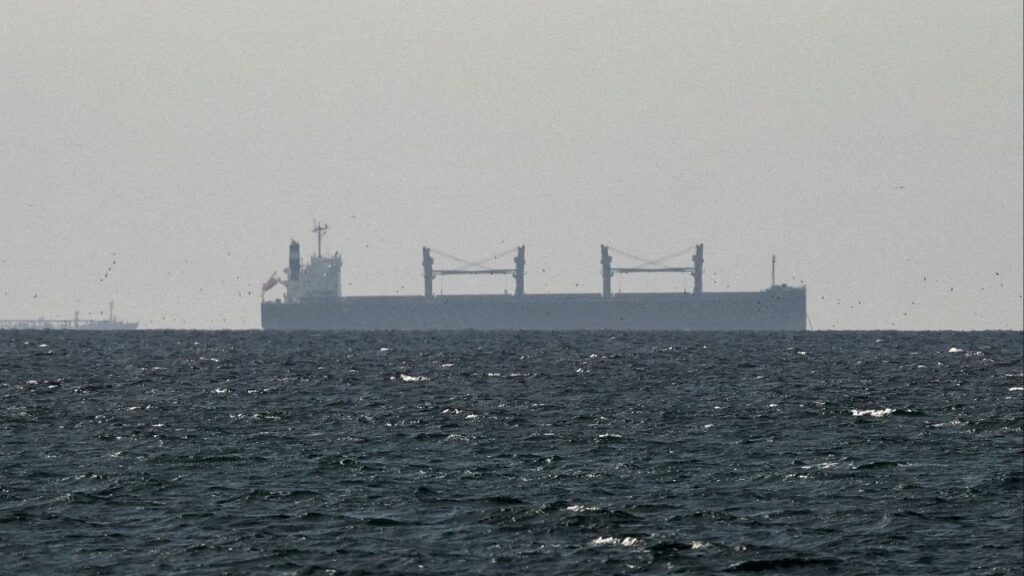
On Easter weekend, he wrote online that “all Hell will reign down” on the Iranians unless they meet a deadline of Monday to make concessions or open up the Strait of Hormuz to ship traffic, adding, “Glory be to GOD!”
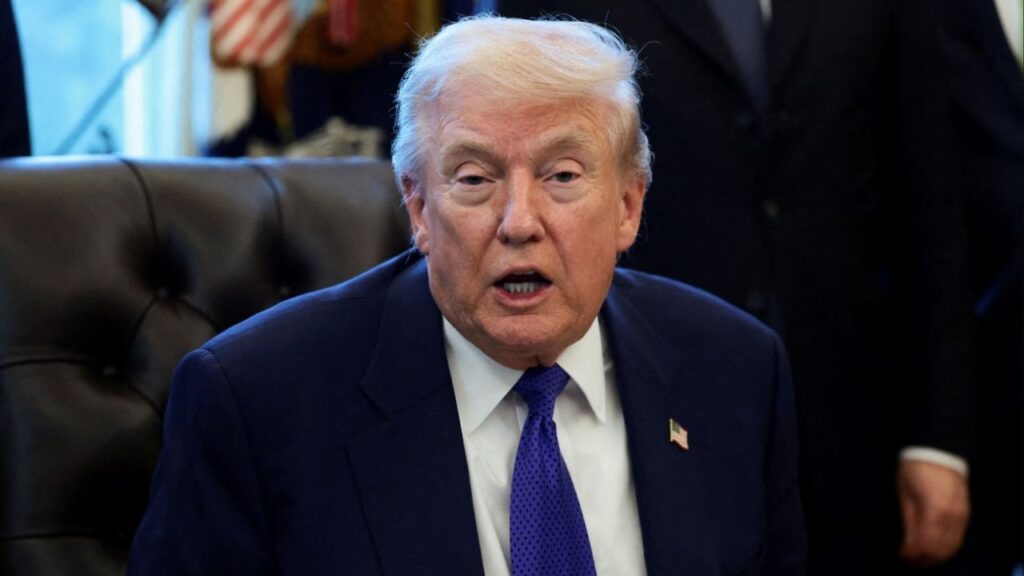
The president was emphatic about the targets in a follow-up post. “Tuesday will be Power Plant Day, and Bridge Day, all wrapped up in one, in Iran. There will be nothing like it!!!” he wrote. He cursed, mentioned Hell again and said, “Praise be to Allah.”
He is talking not just about civilian sites with military uses, which can be considered legitimate targets. In his speech on Wednesday, he said he would “hit each and every one” of the country’s power plants, “probably simultaneously.” The next day, after the American military destroyed a large bridge near Tehran, Iran’s capital, he exulted on social media: “Much more to follow!” At least 13 civilians were killed and 95 injured, an Iranian official said.
No other recent American president has talked so openly about committing potential war crimes, legal experts, historians and former U.S. officials say. Wartime American presidents and their aides have usually insisted they were trying to follow international and U.S. military law, even if they violated it in some cases.
International laws aimed at preventing the horrors of total war are codified in a series of agreements, including the Geneva Conventions, the Hague Conventions, the Nuremberg Principles and the United Nations Charter. Deliberate attacks on civilians and civilian infrastructure violate those. So does pillaging a country, which Trump has suggested he might do by taking Iran’s oil.
The Trump administration’s language and actions could have far-reaching consequences. Within Iran, it is likely to galvanize opposition to the United States, including among some ordinary Iranians who have protested their own government.
“I don’t believe that Iranians have rallied around a deeply unpopular regime, but the destruction of infrastructure and rising civilian casualties strengthen the regime’s narrative that this is a war on the nation, not just its rulers,” said Karim Sadjadpour, a scholar of Iran at the Carnegie Endowment for International Peace.
On the global stage, it could further diminish America’s standing and weaken norms of state conduct in wartime that are intended to protect civilians. Legal experts say those norms have eroded in recent years because of Russia’s war in Ukraine, the Sudanese civil war and the war against Hamas in the Gaza Strip by Israel, which is now invading Lebanon and attacking Iran with the United States.
The American president has been unambiguous in his disdain for international law. In a two-hour Oval Office interview in January with The New York Times, Trump declared, “I don’t need international law.” When asked whether there was any limit on his global powers, he said, “Yeah, there is one thing. My own morality.”
The world is seeing that thinking play out in real time. On Thursday night, after a day of public criticism by legal experts over the bridge strike, Trump doubled down, writing online that the U.S. military “hasn’t even started destroying what’s left in Iran. Bridges next, then Electric Power Plants!”
Trump’s aides are onboard. Defense Secretary Pete Hegseth said last month that “we will keep pushing, keep advancing, no quarter, no mercy for our enemies.” A “no quarter” order — to kill all enemy soldiers, even those who are badly injured or who surrender — is a war crime under international law and in the U.S. military code.
When pressed last Monday about a new threat by Trump to expand targets to civilian sites, Secretary of State Marco Rubio argued that the president prefers diplomacy, but that Iranian leaders are “lunatics.” “They are insane,” he said in an interview with ABC News. “They are religious zealots.”
The Pentagon referred questions to U.S. Central Command, which oversees operations in the Middle East. The command did not reply to emails asking whether it had deliberately targeted civilian sites or would do so.
‘Clearly Unlawful and Deeply Misguided’
The administration’s language has alarmed many legal experts, who say the signal being sent to U.S. service members — and to foreign nations, including adversaries — shapes behavior on the battlefield.
One hundred legal experts and lawyers voiced their concerns in an open letter published by Just Security last week. They said that the conduct of the war and rhetoric of U.S. officials “raise serious concerns about violations of international humanitarian law, including potential war crimes.”
They pointed out that the very act of the United States’ attacking Iran is a violation of the U.N. Charter, since there is no evidence Trump was acting to defend his country against an imminent threat. And the president did not get congressional authorization for the war, in violation of the Constitution.
“It’s something so clearly unlawful and deeply misguided,” said Oona A. Hathaway, a Yale law professor who cowrote the letter and has worked as a special counsel at the Pentagon. “It’s hard to fathom how much the rules have been completely thrown out.”
Trump began threatening to attack Iran’s civilian infrastructure on March 13, when he wrote online that he could decide to “wipe out” oil facilities on Kharg Island, Iran’s main oil export hub. Last Monday, he expanded the threat to include all electricity plants, oil wells and desalination plants in the country.
When asked whether the United States could commit potential war crimes, Karoline Leavitt, the White House press secretary, said at a news conference that “this administration and the United States armed forces will always act within the confines of the law.” But to achieve his goals, she added, the president “is going to move forward unabated, and he expects the Iranian regime to make a deal with the administration.”
U.S. Central Command said Wednesday that American forces had hit more than 12,300 sites in Iran since Trump and Israel started the war on Feb. 28. Some of the attacks, aimed at military sites near civilian areas, have resulted in the killings of hundreds of civilians, including nearly 200 schoolchildren in one missile strike.
A Pentagon Pushing ‘Lethality’
Civilian sites can be considered legal targets if they are used by a military, said Brian Finucane, a former State Department lawyer specializing in the law of armed conflict who is a senior adviser at the International Crisis Group. That determination is usually made on a case-by-case basis.
Hegseth, however, has fired and reassigned uniformed lawyers and dismantled many of the offices set up to prevent the targeting of civilians and related sites.
Instead, he has talked endlessly about increasing “lethality.”
“This secretary of defense has a track record of denigrating the law of war, denigrating military lawyers,” Finucane said. “It is very disturbing because we don’t know to what degree this rhetoric will translate to illegality.”
And the administration has drawn condemnation for nearly 50 strikes on civilian boats in the Caribbean and eastern Pacific that have resulted in at least 163 deaths.
Trump has asserted, without presenting evidence, that the boats were carrying drugs to the United States, and that America is in an “armed conflict” with drug cartels. But legal experts say the strikes are outright murder.
On March 4, a U.S. submarine torpedoed an Iranian frigate near Sri Lanka with about 180 people onboard. The destroyer had been returning home from military exercises in India, in which the United States had also participated.
The U.S. military asked Sri Lanka to rescue survivors but did not directly do so, which some legal experts say could be a violation of the Geneva Conventions.
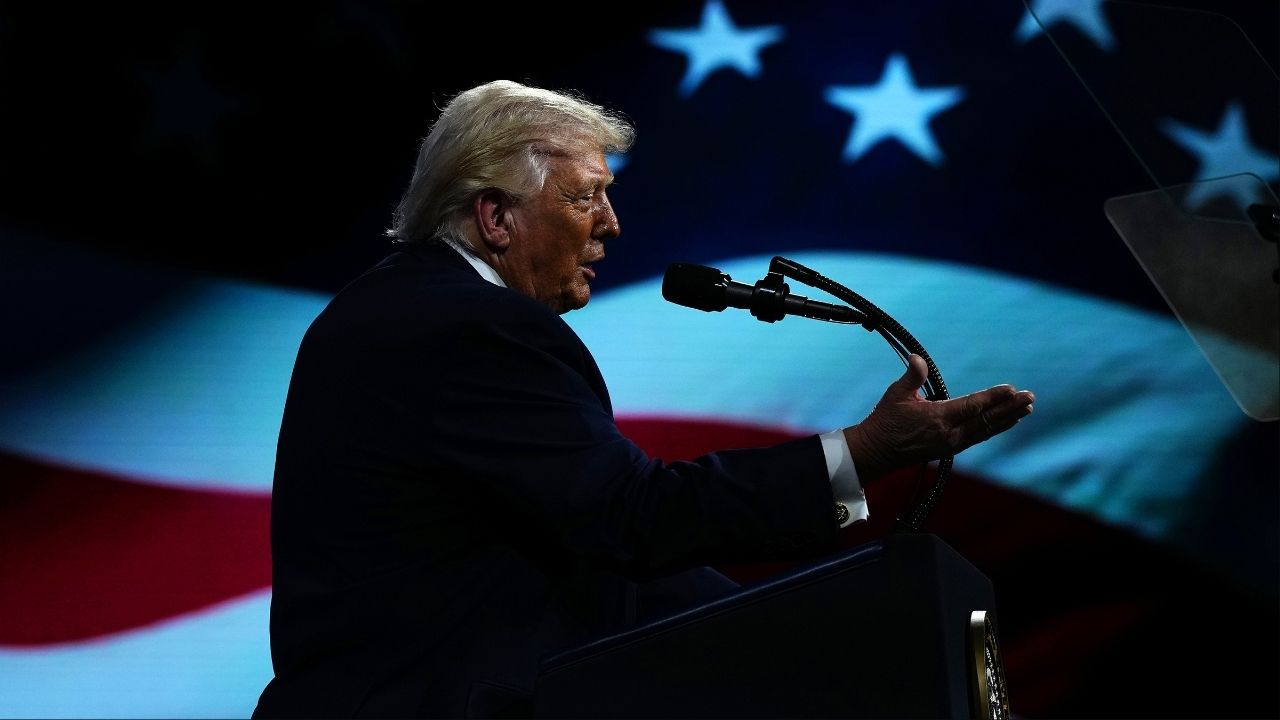
In a speech, Trump recounted a conversation with American military officials about the frigate: “I said, ‘Why don’t we just capture the ship? We could use it. Why did we sink them?’ They said, ‘It’s more fun to sink them.’ They like sinking them better. They say it’s safer to sink them. I guess it’s probably true.”
—
This article originally appeared in The New York Times.
By Edward Wong/Tierney L. Cross
c. 2026 The New York Times Company