
|
Getting your Trinity Audio player ready...
|
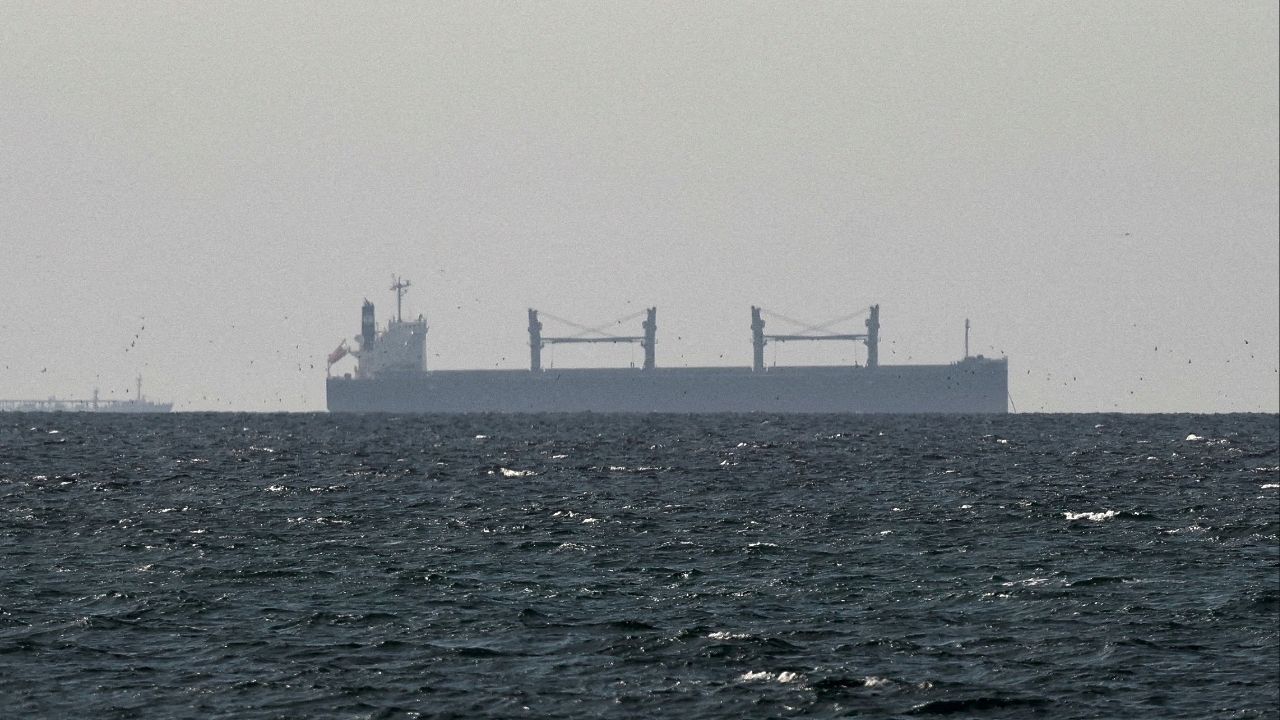
More than a month into the second U.S.-Israeli war on Iran, Tehran has imposed significant restrictions on transit through the Strait of Hormuz, signaling a shift from tactical defense to long-term strategic leverage, analysts say.
Iranian officials maintain control over which vessels may pass, allowing ships from China, Russia, and several regional states while limiting U.S., Israeli, and allied access.
Legal debates persist over Iran’s authority, as it is not a party to the United Nations Convention on the Law of the Sea, though Tehran cites “innocent passage” as justification.

Gulf neighbors, including the UAE and Oman, face pressure to negotiate with Iran for access, potentially participating in a revised transit framework.
Experts suggest Tehran sees the strait as a fixture in post-war geopolitics, collecting fees and asserting influence over global shipping, rather than as a bargaining chip for ceasefires or sanctions relief.
Read more at the Quincy Institute of Responsible Statecraft.