


|
Getting your Trinity Audio player ready...
|
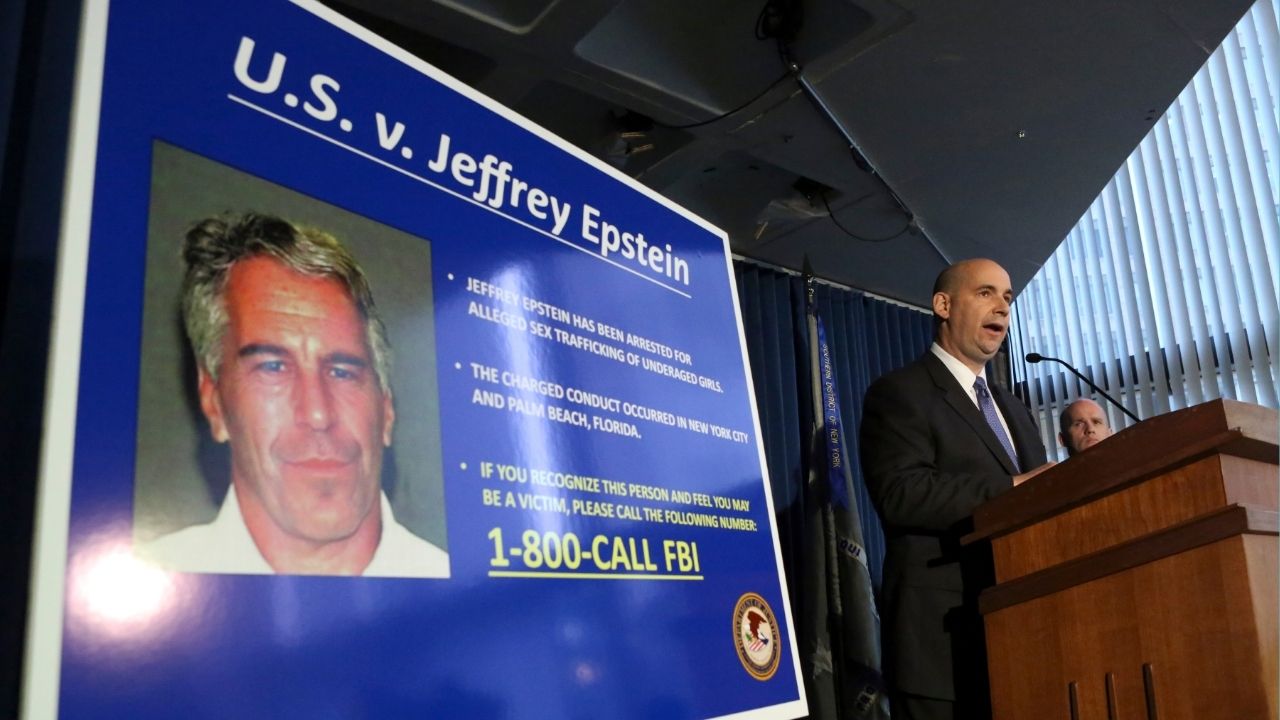
The Justice Department published dozens of unredacted nude images on its website, showing young women or possibly teenagers whose photos were contained in files related to the wealthy sex offender Jeffrey Epstein.
As part of its required disclosure of the Epstein files, the federal government was tasked with redacting both sexually explicit imagery and information that could be used to identify victims.
But in the process of reviewing more than 3 million pages uploaded to the Justice Department’s website Friday, The New York Times came across nearly 40 unredacted images that appeared to be part of a personal photo collection, showing both nude bodies and the faces of the people portrayed.

The people in the photos appeared to be young, although it was unclear if they were minors. Some of the images seemed to show Epstein’s private island, including a beach. Others were taken in bedrooms and other private spaces.
The release of these explicit photos comes after government lawyers have scrambled for weeks to meet the requirements of the Epstein Files Transparency Act, which set a December 2025 deadline for releasing all of the files.
NYT Tells DOJ About the Nude Images
The Times notified the Justice Department on Saturday of nude images that journalists had encountered and flagged more of them Sunday. A spokesperson said that the department was “working around the clock to address any victim concerns, additional redactions of personally identifiable information, as well as any files that require further redactions under the act, to include images of a sexual nature.”
“Once proper redactions have been made, any responsive documents will repopulate online,” the spokesperson said.
Officials have largely removed or redacted the images the Times flagged for them. The images appeared to show at least seven different people, although the Times did not seek to identify them.
Annie Farmer, who has testified in court about how she was groomed and abused as a teenager by Epstein and his partner, Ghislaine Maxwell, said the news of such imagery being public was “extremely disturbing.” She said it left her feeling naive in thinking that the government would follow the law in protecting the victims.
“It’s hard to imagine a more egregious way of not protecting victims than having full nude images of them available for the world to download,” Farmer said Sunday.
Other victims have expressed outrage that their names and other identifying information have been found in the files. Brittany Henderson, a lawyer for one woman who was identified in the files even though she had not previously been linked publicly to Epstein, called the redaction failures “abhorrent.”
“We are frankly shocked by the level of carelessness that the department has shown towards these women,” she said.
DOJ Misses Deadline
The Justice Department was supposed to release all of the Epstein files by Dec. 19 but missed the deadline. Friday’s release included not only millions of documents but also 2,000 videos and 180,000 images, and the Justice Department said a team of more than 500 lawyers and reviewers had worked on the publication process.
The redactions at times appear haphazard and contradictory, with some files shielding someone’s name and a duplicate file elsewhere making the name public. One email described an “Epstein victim list” but then left dozens of subsequent names exposed, except for one that was redacted.
Some victims are angry that their information was disclosed while powerful people’s names were shielded.
In one case, records showed a text exchange between former Trump adviser Steve Bannon and Epstein that referenced a news article about President Donald Trump. An associated image of Trump appeared in the Justice Department files with a redaction box over his face.
Last year, the Trump administration teased the release of investigative files but then backtracked. Democrats and a few Republicans then led an effort to pass a law requiring the files to be made public.
—
This article originally appeared in The New York Times.
By Mike Baker and Julie Tate/Jefferson Siegel
c. 2026 The New York Times Company