

|
Getting your Trinity Audio player ready...
|
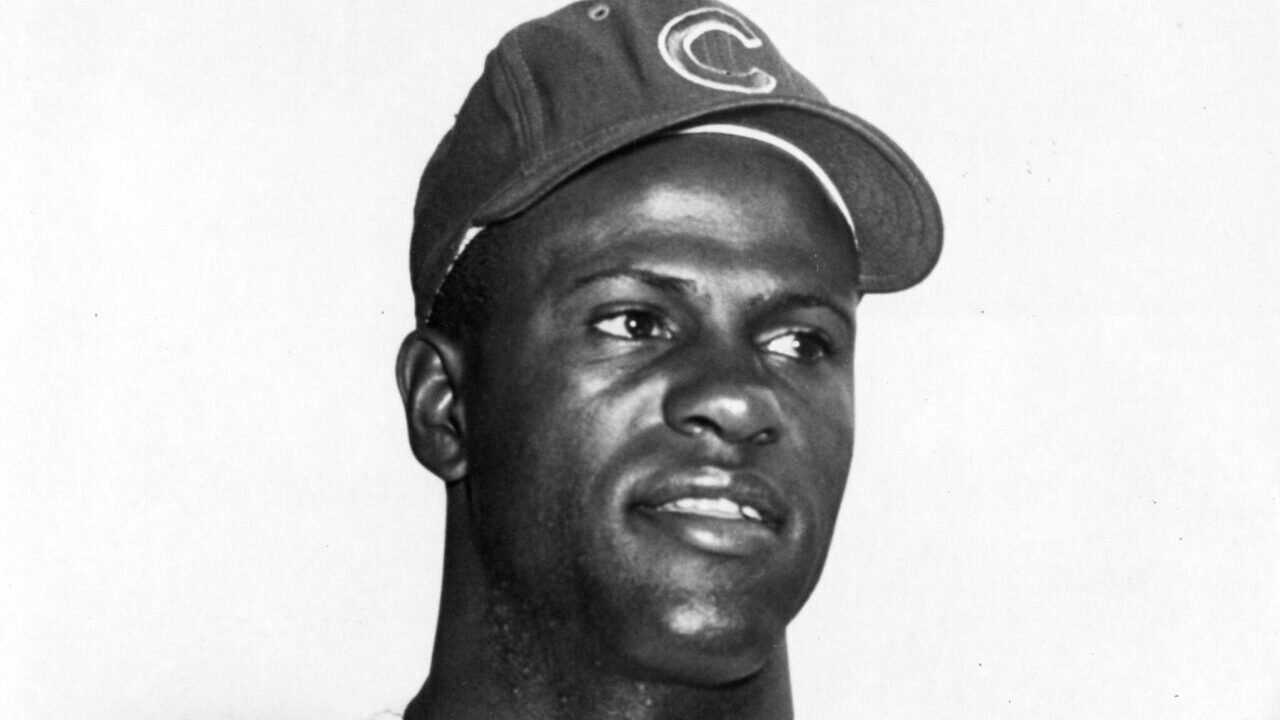
George Altman, who had one of the most diverse careers in baseball history, starting in the waning days of the Negro Leagues and then flourishing in the majors as a three-time All-Star before playing in Japan, where he became a fan favorite, died Nov. 24 at his home in O’Fallon, Missouri. He was 92.
His daughter, Laura Altman-Jones, confirmed the death.
The son of a tobacco and cotton farmer, Altman was one of three men in history to play in the Negro Leagues, Major League Baseball and Nippon Professional Baseball. (The others were Don Newcombe and Larry Doby.)

Altman’s career “was impressive — and bizarre,” Robert Whiting, the author of several books on baseball and Japanese culture, wrote in a recent Substack post, calling him a “historic figure” in the game.
At 6 feet, 4 inches and, in the opinion of one sports writer, endowed with enough strength “to carry a wagon tongue to the plate,” Altman was an imposing left-handed slugger and outfielder. He hit .269 with 101 home runs and 403 RBIs in nine seasons with the Chicago Cubs, St. Louis Cardinals and New York Mets.
His best season was in 1961. Batting cleanup for the Cubs, Altman hit .303 with 27 home runs and 96 RBIs and led the National League with 12 triples, earning a spot in both All-Star games played that season. His pinch-hit home run in the eighth inning of the first one, in San Francisco’s Candlestick Park, put the NL up 3-1 on its way to winning the game.
Hit Two Home Runs in One Game off Koufax
Less than a month later, Altman became the first player to hit two homers in one game off Los Angeles Dodgers ace Sandy Koufax, a feat later matched by his Cubs teammate, the future Hall of Famer Ernie Banks.
“I always say I don’t know how I got the two home runs off of him, but I will always remember it,” Altman wrote in “George Altman: My Baseball Journey From the Negro Leagues to the Majors and Beyond” (2013). “I think he was just throwing where I was swinging. It was errors on his part.”
George Lee Altman was born March 20, 1933, in Goldsboro, North Carolina, then a segregated city in the central part of the state. His father, Willie, was a tenant farmer and later an auto mechanic. His mother, Clara (Langston) Altman, died when George was 4.
Growing up, he was constantly outside playing sports — an activity foreign to his father, who never went to watch him play football, baseball or basketball in high school.
“My father always thought sports were frivolous,” Altman wrote in his autobiography. “He didn’t picture anyone making a living out of playing sports.”
After College, Altman Played in Negro Leagues
At Tennessee A&I State University (now Tennessee State University), he played basketball and baseball. After graduating in 1955 with a degree in physical education, he landed a tryout with the Kansas City Monarchs, a Negro Leagues team managed by Buck O’Neil.
Altman took batting practice with the Monarchs before one of their games.
“Evidently I must have impressed them a little bit because as I was getting comfortable on the bench, sitting back to just enjoy the game, Buck came up to me and said, ‘Boy, you’re in there,’” Altman wrote. “It almost scared me to death.”
It was a hard life on the road during the Jim Crow era.
“There were plenty of places we couldn’t stay and there were plenty of places we couldn’t eat,” Altman wrote. “We drove through the night to reach a place where we knew we would be welcome.”
Served in Army and Then Made the Major Leagues
After three months with the Monarchs, he signed with the Cubs and was assigned to the Burlington Bees, in Iowa, in the minor leagues. He was drafted into the Army in 1956, and then rejoined the Cubs organization in 1958. He was promoted to the major leagues the next year.
“The thing I like about Altman is the fact that he knows where the strike zone is,” Banks told The Sporting News in 1959. “That’s one thing most young ballplayers don’t know about. They swing at anything they can reach with the bat. Altman waits for his pitch.”
In need of pitching, the Cubs traded Altman to the Cardinals in 1962. St. Louis traded him to the Mets the next year, and the Mets traded him back to the Cubs before the 1965 season. By then, he was struggling with injuries, once joking that he played for Blue Cross.
Hit 205 Home Runs in Japan
After Altman hit just .111 in 15 games in 1967, his career in the majors was over. Unwilling to quit playing, he joined the Tokyo Orions in Japan. During eight seasons in Japan, he hit 205 home runs, becoming a popular player for his slugging and willingness to learn Japanese phrases.
In 1974, Altman was diagnosed with colon cancer and traveled to the United States for surgery and chemotherapy. He returned to Japan in 1975 to play for the Hanshin Tigers, but struggled with the lingering effects of his treatment and retired, turning to a new career as a commodities trader.
Altman’s marriage to Raquel DeCastro in 1959 ended in divorce. He married Etta Allison, a piano teacher, in 1976. She died on Nov. 16.
Altman’s daughter is his only immediate survivor. His son, George Jr., died in 1988 after being struck by a drunken driver. His grandson, Jonas Altman, died in 1999 at age 16.
Altman didn’t think his career in baseball was especially unique. “I was just going where the game took me,” he wrote.
He was surprised that he continued to receive letters from fans asking for autographs decades after he retired.
“I think I average three or four of them a day,” he wrote. “Most of them say that their father saw me play and told them about me. Some say, ‘I wish I could have seen you play.’”
This article originally appeared in The New York Times.
c.2025 The New York Times Company